Languages
Thursday, November 12, 2026



News and Views from the Global South
Africa

‘Born in War, Grown up in War, Now Time for Rehabilitation’
Sungu Mizele, a Congolese national living in Yambio, in South Sudan’s Western Equatoria state, earns a living selling the fruit and vegetables that she grows in her backyard, at the local town market. On average, she earns nine dollars a day. But on a good day, when she has fresh supplies, she can earn up to 31 dollars.
Voting Will Change the Lives of Zimbabwe’s Women
“Ten reasons why women must vote ‘Yes’ for the draft constitution…” says the Constitution Select Committee’s campaign radio jingle that plays over the airwaves in a grocer’s store at Mukumbura border post business centre on Zimbabwe’s northeastern border with Mozambique.
Local Communities Forced to Pay Salaries of DRC Army and Rebels
On the way to his fields, Denise Mambo, a resident of Kitshanga, North Kivu in eastern Democratic Republic of the Congo, stops at a rope laid across his path.
Cameroonian Farmers Find Justice in Fair Fruit
The fruit farmers in Njombe, a small town in the coastal Littoral Region of Cameroon, learned a life lesson about “making lemonade out of lemons” - or rather “dried fruit out of fruit” when their land was taken from them by the government and leased to an international farming company.
War Over, Now to Secure Peace
As the Malian army and its foreign partners are slowly securing northern cities in the West African nation, it is still unclear how the country will turn its back on the political crisis that led to the March 2012 military coup.
Politicians Went Sheng to Woo Kenyan Youths
When a Mugumo fig tree fell down in President Mwai Kibaki’s backyard in Nyeri County, central Kenya just three weeks before the country’s presidential elections, the local elders said it carried a strong message of a change in leadership in favour of younger leaders.
Child Sexual Exploitation on the Rise in North Kivu
A street in Goma’s city centre, the capital of North Kivu in eastern Democratic Republic of the Congo, has been nicknamed “the ward of death” because of the brutal crimes that frequently occur there.
Resentment as South Africa Speaks Business for Continent
There is growing resentment in Africa about the way in which South Africa professes to speak for the rest of the continent in its role as a member of key developing nation blocs, researchers and experts have warned.
Locals Downplay Diplomatic Implications of Kenyatta’s Presidency
Kenyans may have elected as president a man wanted by the International Criminal Court for war crimes, but political analysts here say that Uhuru Kenyatta’s presidency will not have significant implications for the country’s international standing just yet.
VIDEO: African Communities Strengthen Women’s Access to Justice
 On the sidelines of the 57th session of the Commission on the Status of Women (CSW), the United Nations Development Programme (UNDP) and the Huairou Commission (HC), on March 4th, organised a panel discussion on women's access to justice.

Q&A: “A Pastoralist Woman Is Like a Working Machine”
"In some communities, you can’t talk about violence against women," says Agnes Leina, executive director of Il'laramatak Community Concerns (ICC), a group that promotes the human rights of pastoralist communities in northern and southern Kenya, with a special emphasis on women and girls.
Sierra Leone Shedding ‘War-Torn’ Image to Attract Tourists
On the fourth floor of a new office block in western Freetown, Cecil Williams sits beneath posters of idyllic tropical landscapes as he discusses the many natural attractions that once brought tourists flocking to the small West African nation of Sierra Leone.
North Kivu Refugees Hope to Find Peace in Uganda
As dawn rises over Nyakabande, a village in southwestern Uganda, people line up in front of a reception tent, exhausted and carrying only the few belongings they could bring across the border.
At the Bottom of Lake Nyasa is ‘Rare Earth’
The local Tanzanian community bordering Lake Nyasa is no nearer to understanding what the conflict between their country and Malawi is about, nor why so much is at stake, as mediation efforts between Malawi and Tanzania are expected to begin soon.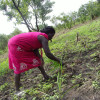
World Bank Urges African Agriculture Rethink
The World Bank is urging African governments to retool their agriculture policies, particularly to include a far greater focus on agribusiness as a critical driver of future development.
Malian Refugees Look to Rebuild their Lives
Malian refugees in Mangaïze, northwest Niger, are keen to return home to start work and be able to support themselves once more.
Millions of Kenyans Vote in Historic Election
On Monday, Mar. 4, Betty Amollo was one of the millions of Kenyans who turned out in large numbers to cast her ballot in the country’s first general election since the 2007 disputed polls left almost 1,200 people dead and displaced 600,000 in the resultant inter-ethnic violence.
Two Million People Hold their Breath Over Lake Malawi Mediation
Over two million families who solely depend on Lake Malawi for their livelihoods are anxiously putting their hopes into an upcoming mediation between Malawi and Tanzania intended to put an end to a longstanding ownership dispute.
Water – A Blessing and a Curse in Mozambique
As Mozambique tries to recover from the worst flooding here since 2000, experts have called for a national discussion on water management and how to maximise its usage in favour of long-term sustainable development.
New Development Bank to be Key BRICS Building Block
Emerging market leaders want their Brazil, Russia, India, China and South Africa club to be taken seriously, and next month they are expected to make a decisive move towards setting up a development bank to give it real substance and credibility.
Lake Malawi Dispute Instils Fear in Fisherfolk
Since he was nine years old, Martin Mhango from Karonga village in northern Malawi has known no other livelihood than fishing. And for the last 33 years he has been fishing freely on Lake Malawi – that is, until last October when he was detained and beaten by Tanzanian security forces.« Previous Page — Next Page »





The Week with IPS

NEXT STOP - SDGs
Tracking global progress towards a sustainable world
Tracking global progress towards a sustainable world
