Languages
Thursday, November 19, 2026



News and Views from the Global South
Latin America & the Caribbean

Brazil’s Prison Violence Worsens in Maranhão
Nearly every day, violence breaks out in a Brazilian prison. In January the focus has been on the northeastern state of Maranhão, where orders issued from behind bars wreaked havoc in the streets of its capital city, illustrating the scope of national prison anarchy.
Caribbean Walks the Talk on Clean Energy Policy
Despite having an abundance of wind and sunshine, Caribbean countries have found that going green is requiring significant shifts in policy, and most importantly, significant financing.
Argentine Activists Win First Round Against Monsanto Plant
Residents of a town in Argentina have won the first victory in their fight against biotech giant Monsanto, but they are still at battle stations, aware that winning the war is still a long way off.
World Bank Arm Admits Wrongs in Honduras Loan
In an unusual statement, the World Bank’s private-sector arm has threatened to cancel a controversial investment in a Honduran palm oil company that has been implicated in serious human rights abuses, including numerous killings, over the past five years.
Digital Age Demands Educational Transformation, World Forum Says
The challenges of the digital age call for schools to develop an alternative model of education, with teachers who incorporate new technology and employ a more critical pedagogy, participants said at the Fórum Mundial de Educaçao (World Education Forum) in this southern Brazilian city.
Dammed Rivers Create Hardship for Brazil’s Native Peoples
The Itaparica hydroelectric power plant occupied land belonging to the Pankararu indigenous people, but while others were compensated, they were not. They have lost land and access to the São Francisco river, charge native leaders in Paulo Afonso, a city in northeastern Brazil.
Drugs Displace Maize on Mexico’s Small Farms
As the North American Free Trade Agreement (NAFTA) passes its 20-year milestone, Mexico is seeing the displacement of traditional crops like maize by marihuana and opium poppy as a result of falling prices for the country’s most important agricultural product.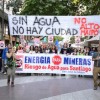
Alto Maipo Project Endangers Santiago’s Water Supply
A hydroelectric project under construction near the Chilean capital poses a threat to the supply of drinking water to more than six million people living in the Santiago Metropolitan Region.
Haiti’s “Public Housing” Projects Overlook Poorest
Named after a famous Haitian singer, the Lumane Casimir Village sits in the desert-like plain at the foot of Morne à Cabri and will eventually have 3,000 rental units. About 1,300 are now ready.
Questions Linger over Haiti Housing Projects
Four years after the Jan. 12, 2010 earthquake, questions continue to haunt the four main post-disaster housing projects built by the Haitian government.
Four Years After Haiti’s Earthquake, Still Waiting for a Roof
Mimose Gérard sits in her tent at Gaston Margron camp, surrounded by large bags filled with plastic bottles. She earns just pennies for each, but that’s better than nothing.
Caribbean Sees Worrying Rise in Climate-Sensitive Diseases
Caribbean countries, struggling to emerge from a slump in exports and falling tourist arrivals brought on by the worldwide economic crisis that began five years ago, have one more thing to worry about in 2014.
Small Projects, Big Changes in Climate Risk in Honduran Slums
For some 250,000 shantytown-dwellers in the Honduran capital, fear of dying or losing their home due to a landslide or other weather-related event has been reduced, thanks to a global warming mitigation plan that has carried out small infrastructure works in 180 ecologically and socially vulnerable neighbourhoods.
Four Years Later, USAID Funds in Haiti Still Unaccounted For
As the fourth anniversary of the devastating earthquake in Haiti approaches on Jan. 12, development analysts are decrying an ongoing lack of transparency in U.S. foreign aid to the country, even as those assistance streams are drying up.
Christmas Storm Underlines Caribbean’s Vulnerability
Guyanese President Donald Ramotar says the death and destruction caused by intense rainfall in three Caribbean Community (CARICOM) countries over the Christmas holidays is a sign that the region has no time to lose in fortifying its resiliance to climate change.
Farm Forecasts Try to Decode a Capricious Climate
In the southwest peninsula of Cedros, one of Trinidad’s driest areas, Jenson Alexander grows the cocoa used for many years by the British chocolate giant Cadbury.
Tallying Losses, St. Vincent Begins Repairs After Deadly Flood
Ralph Gonsalves fought to hold back tears as he shared how his cousin was killed the night before Christmas.
OP-ED: NAFTA’s 20 Years of Unfulfilled Promises
Twenty years after it took effect, NAFTA has failed the vast majority of Mexicans.
Christmas Deluge Brings Disaster to Eastern Caribbean
Colleen James arrived in St. Vincent and the Grenadines from Canada two days before Christmas hoping to enjoy the holiday season with her family. Now she’s getting ready to bury her two-year-old daughter and 18-year-old sister.
Mystery Oil Spill Turns Miles of Trinidad’s Beaches Black
Whether it is a case of sabotage or simply poor management practices by the state-owned PETROTRIN, as the union claims, a mysterious oil spill in south Trinidad is wreaking havoc on homes and wildlife in the area.
Taste Test Stymies Caribbean’s Climate-Resistant Crops
Ramdeo Boondoo, a root crop farmer in Caroni, Trinidad, understands better than most the challenge of developing crops that are both climate resilient and marketable.« Previous Page — Next Page »


The Week with IPS

NEXT STOP - SDGs
Tracking global progress towards a sustainable world
Tracking global progress towards a sustainable world

