Languages
Wednesday, November 18, 2026



News and Views from the Global South
Health
Cheaper Medicine a New Year’s Gift for Salvadorans
After years of delays and obstacles, a law regulating the pharmaceutical market has come into effect in El Salvador, giving its people access to medicines at more reasonable prices, with discounts of over 50 percent for some drugs sold in high volumes, like diabetes medication.
Preparing to Fight Off Doomsday
The International Campaign to Abolish Nuclear Weapons (ICAN) has adopted a new strategy to involve citizens and politicians more actively to push for a global ban on nuclear weapons.
U.S. Marijuana Lobby Sets Sights on Full Legalisation
Since the U.S. states of Colorado and Washington fully legalised marijuana via ballot initiatives in the November 2012 elections, efforts to medicalise, decriminalise, or legalise marijuana at the state level are sprouting up like so many hemp stalks on a sunny day.Buenos Aires Mayor Slammed for Slow Pace on “Zero Waste” Targets
The garbage strewn across many streets and sidewalks in the Argentine capital reflects the inefficiency of a waste collection and treatment system that, paradoxically, has become increasingly costly for the city’s residents, say civil society groups and opposition parties.
No Woman Should Die Giving Life
Every single day, 452 women in sub-Saharan Africa die from pregnancy-related causes; that’s 18 women every hour.
Q&A: It’s the Beginning of the End for FGM
Journalists can play a crucial role in helping to shift traditional attitudes within societies where the cruel practice of female genital mutilation is an everyday reality.
Dominica Sees Geothermal as Key to Carbon-Negative Economy
What a difference a trip makes. Before visiting the French island of Guadeloupe, Alfred Rolle had vocally expressed fears about the possible health effects of a decision to drill geothermal wells in the village of Laduat on the outskirts of Dominica's capital.
Senegal Seeks to Curb the Baby Boom
A 25-year-old mother of five hailing from Senegal’s eastern Tambacounda province believes that contraceptives damage the womb and cause health problems in the long term, such as a rise in blood pressure and chronic headaches.
Q&A: “There is Nothing Worse Than Holding a Dying Woman in Your Arms”
Despite staggering advances in medical science and technology over the years, women around the world continue to suffer gravely as a result of inadequate access to basic reproductive health services.
Injustice Overshadows Growth in Chile
Chile's positive economic performance in 2012 is not enough to boost President Sebastián Piñera's waning popularity, as many Chileans believe the country's much-touted growth does nothing to compensate or solve decades of accumulated injustices, several analysts told IPS.
Official Failure Kills Hundreds of Children
It came as no surprise to Dr Zulfikar Ahmad Bhutta, a leading child expert at the Aga Khan University in Karachi, that an outbreak of measles has claimed the lives of more than 300 children in Pakistan. "The tragedy was in the offing," he said, putting the blame squarely on the abysmally low coverage of routine immunisation against childhood diseases.
Morphine Kills Pain but its Price Kills Patients
It took Gily Ncube’s daughters two weeks to sell enough chickens to raise the 18 dollars needed to buy the morphine tablets their mother takes every four hours.Mexico’s Gun Problems Go Beyond Drug Wars
A lot of attention goes to the U.S.-made weapons in the hands of criminal groups in this Latin American country. But there is little talk of another problem: the large number of light weapons in the hands of civilians.
Treaty “Insufficient” to Reduce Global Mercury Levels
Even as government negotiators from around the world prepare to gather next week for a final round of talks on a new international treaty limiting the use of mercury, scientists and activists are warning that the draft treaty is both too weak and too limited in scope to have a major impact.
More Aging U.S. Coal Plants Hit the Chopping Block
Georgia Power, a subsidiary of Southern Company, one of the largest utilities in the U.S. south, plans to retire 15 coal and oil-fired energy generating units at four different plants, in the latest sign that a national campaign against coal is gaining traction.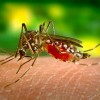
Brazil Measures Rain Against Dengue
Mosquitoes that transmit dengue fever need clean, still water and warm night temperatures to reproduce and thrive. That is common knowledge, but now scientists in Brazil have managed to measure the relation between increased rainfall and temperatures and the risk of dengue epidemics in this city.U.S. Health Worse Than Nearly All Other Industrialised Countries
U.S. citizens suffer from poorer health than nearly all other industrialised countries, according to the first comprehensive government analysis on the subject, released Wednesday.
Unemployed Youth Turn to Drugs
The air is heavy with the smell of marijuana as Gibrilla (23) expertly rolls a large joint at the Members of Blood (M.O.B) gang base in a poor neighbourhood of Sierra Leone’s capital, Freetown.
Paediatricians for a Healthy Environment
A group of Argentine paediatricians has been combining work on environmental protection and child health for more than 10 years. It appears a basic principle to apply, but the task is turning out to be increasingly challenging and complex.
Q&A: Global Ban Another Tool in the Fight Against FGM
For the estimated 140 million girls and women living with the consequences of Female Genital Mutilation (FGM), it is already too late. But since a global ban on FGM was passed at the end of last year, activists hope many more will now escape this brutal practice.
Controversial Anti-TB Drug Approved in U.S.
The U.S. Food and Drug Administration (FDA), the sector’s primary regulator, has given accelerated approval to a controversial new drug for use by patients suffering from forms of tuberculosis that have proven resistant to other medicines.« Previous Page — Next Page »


 Bangladesh: Sarid, born one month early, receives specialized newborn care and grows stronger every day. Credit: UNICEF/UNI944397/Mojumder
Since the onset of the 2000s, global life expectancy has seen an overall rise, attributed to significant technological and scientific innovations in healthcare. Due to an increased understanding of different conditions as well as a rise in cooperation among healthcare experts around the world, there have been major strides made in ensuring that as few people die from chronic illnesses as possible. Despite the belief that healthcare is a fundamental human right, people from low- or middle-class backgrounds, marginalized groups, and underdeveloped countries have far more limited access to basic healthcare services.
The COVID-19 pandemic showed how marginalized communities are disproportionately affected by health crises, proving that we have much work to do in ensuring that no one dies of terminal conditions. While the global response to the coronavirus saw significant strides in immunization and vaccine development, the global outbreak of mpox in 2022 and its upsurge in parts of Africa in 2024 must remind us to remain vigilant.
Other major disease outbreaks in recent years have been linked to the destruction of infrastructure during warfare. Notably, in 2024, the Gaza Strip witnessed a return of the poliovirus since its eradication in the region 25 years ago. Israel’s blockade on Gaza has resulted in the collapse of the region’s sewage plants and desalination plants, and also destroyed healthcare capacities. The UN stated that this lack of clean water and sanitation would lead to an outbreak of cholera and other deadly infectious diseases. The 2026 OCHA Humanitarian Situation Report confirmed that the over two years of conflict in Gaza has produced a catastrophic health emergency, with millions remaining dependent on relief aid amid tight restrictions and no functioning public health system.
IPS is committed to providing full and comprehensive coverage on healthcare challenges around the world. IPS seeks to address the multifaceted causes of such challenges, including unprecedented pandemics, conflict-driven disease outbreaks, as well as socioeconomic barriers to equal healthcare access. IPS is also dedicated to reporting on innovations in the healthcare industry.

The Week with IPS

NEXT STOP - SDGs
Tracking global progress towards a sustainable world
Tracking global progress towards a sustainable world
