Languages
Monday, November 9, 2026



News and Views from the Global South
Humanitarian Emergencies

This is What Happened to the 18,000 People Forcefully Relocated to an Arid Zimbabwean Government Farm
 When the Tokwe-Mukosi dam’s wall breached, so started the long, painful and disorienting journey for almost 18,000 people who had lived in the 50-kilometre radius of Chivi basin in Zimbabwe’s Masvingo province as even those not affected by the flood were removed from their homes.

Zimbabwe’s Unfolding Humanitarian Disaster – We Visit the 18,000 People Forcibly Relocated to Ruling Party Farm
As the villagers sit around the flickering fire on a pitch-black night lit only by the blurry moon, they speak, recounting how it all began. They take turns, sometimes talking over each other to have their own experiences heard. When the old man speaks, everyone listens. “It was my first time riding a helicopter,” John Moyo* remembers.
When Faith Meets Disaster Management
A consortium of faith-based organisations (FBOs) made a declaration at a side event Wednesday at the 6th Asian Ministerial Conference On Disaster Risk Reduction (AMCDRR), to let the United Nations know that they stand ready to commit themselves to building resilient communities across Asia in the aftermath of natural disasters.
Liberia’s Poor and the Rising Sea
Mary B owned a shop in West Point, Monrovia’s densely-populated slum community, where she sold liquor just a few yards away from the sea. But last month, the ocean left her homeless and without a business because the devastating erosion of the coastline has resulted in most of the land eroding into the Atlantic Ocean with thousands of homes being washed away by the encroaching sea.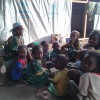
Tensions between CAR Refugees and Cameroonians Escalate over Depleting Resources
Central African Republic refugees living in Cameroon’s East Region are increasingly becoming frustrated about their deteriorating living conditions and their inability to support themselves as conflict between them and and local villagers has escalated over depleting resources.
Military Offensive Deepens Housing Crisis in Northern Pakistan
Shaukat Ali, a shopkeeper originally hailing from Miramshah in the Northern Waziristan Agency of Pakistan’s Federally Administered Tribal Areas (FATA), looks exhausted as he sits outside a makeshift shelter with his family of 10.
Q&A: “Fukushima Accident Still Ongoing After Three Years”
It has been three years since the nuclear accident in Fukushima, Japan. But the consequences are still ongoing due to continuous leaks of radioactivity into the environment, says independent nuclear energy consultant Mycle Schneider.
South Sudan’s Wildlife Become Casualties Of War and Are Killed to Feed Soldiers and Rebels
While South Sudan’s President Salva Kiir and his former deputy Riek Machar agreed last week to end the country’s devastating six-month conflict by forming a transitional government within the next two months, it may come too late for this country’s wildlife as conservation officials accuse fighters on both sides of engaging in killing wild animals to feed their forces.Survivors of Sexual Violence Deserve More Than Just Talk
“States must make concrete commitments to enable and protect women human rights defenders, so that they can safely and securely carry out their work in support of victims of sexual and gender-based violence,” Amnesty International told the Global Summit on Ending Sexual Violence in Conflict that wound up Friday in London.
Somalia Warns Kenyan Refugee Expulsion Will Lead to ‘Chaos and Anarchy’
Somalia’s State Minister for Interior and Federalism Affairs Mohamud Moalim Yahye has told IPS that the hasty repatriation and mass deportation of its citizens by Kenya could compromise recent, critical security improvements made by regional governments against the Islamic extremist group, Al-Shabaab.
Burundi Headed for Election Turmoil as Ruling Party Allegedly Arms Youth Wing
Burundi could be heading for political violence ahead of the 2015 elections amid allegations that the ruling National Council for the Defence of Democracy-Forces for Defence of Democracy (CNDD-FDD) has been arming its youth wing.
Balkans: Floods Reunite Former Yugoslavs
The Balkans region is living one of its most horrible springs ever, after the worst flooding in 120 years took 47 lives and witnessed evacuation of dozens of thousands of Bosniaks, Croats and Serbs in a matter of days last week.Is the Sewol Tragedy South Korea’s Katrina?
In the weeks since the South Korean ferry Sewol sank—taking with it the lives of over 300 passengers, the vast majority of them high school students — the country continues to be wracked by a palpable mix of grief, guilt, and outrage.
Days After African Leaders Vow to Defeat Boko Haram, Bombings and Terror Continue
Multiple car bombs killed dozens Tuesday in the central Nigerian city of Jos, Plateau state, days after a security summit in France where African leaders committed to a “war” on Nigeria’s Islamist rebels, Boko Haram.
Syrian Rebel-held Mountain Villages Preparing for Bigger Battles
In the mountains east of the coastal port of government-held Latakia, three years of regime bombardment has left swaths of blackened stumps in the mountain forests and crumbling concrete structures in Sunni villages, most of whose inhabitants support opposition forces.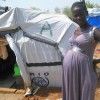
OP-ED: Violence Leaves Women, Girls, and Young People on the Edge in South Sudan
As with many conflicts and other humanitarian emergencies around the world, those who suffer the most are women, young girls and children. The current terrible crisis in South Sudan is no exception.
U.N. Decries Water as Weapon of War in Military Conflicts
The United Nations, which is trying to help resolve the widespread shortage of water in the developing world, is faced with a growing new problem: the use of water as a weapon of war in ongoing conflicts.
Syrian Doctors Grapple With Medical Emergency and Ethics
As once-eliminated diseases resurface and barrel bombs and alleged chlorine attacks target civilians, doctors in rebel-held areas and across the border struggle with issues of how best to serve their profession.
OP-ED: Militarised Humanitarianism in Africa
As the world remains transfixed by the kidnapping of almost 300 Nigerian girls, there have been increasing calls for international intervention in the effort to rescue them. But what many people don’t know is that the U.S. military has been active in the region for years.
Bulgaria, No Country For Syrian Refugees
Since November last year, Bulgaria has virtually closed its borders to an inflow of Syrian asylum seekers and other migrants trying to enter the country from Turkey, while EU institutions concerned appear to have acquiesced to this.
Traditional Wisdom to the Rescue in Cyclone Season
May and November bring the most vicious cyclones to the Bay of Bengal rim countries in Southeast Asia.« Previous Page — Next Page »





 MONUSCO Peacekeepers and FARDC Soldiers Patrol Fataki Area. Credit: UN Photo/Jorkim Jotham Pituwa
Conflict, human rights violations, natural disasters, and famine have been at the forefront of concerns for humanitarian organizations. The escalation of humanitarian crises has led to over 239 million people in need of humanitarian assistance at the start of 2026, as estimated by OCHA’s Global Humanitarian Overview. The 2025 humanitarian appeal received only $12 billion, the lowest funding in over a decade, which has left 24 million fewer people reached in comparison to 2024. Conflict has remained the primary driver of crisis.
Humanitarian emergencies massively impact progress towards the Sustainable Development Goals (SDGs), adversely affecting economic development, inequality, education, planetary well-being, and poverty. Millions of people are faced with reduced access to essential services, including shelter, food, healthcare, and access to clean drinking water. UN Organizations such as UNHCR and the United Nations Children’s Fund (UNICEF) are committed to providing direct relief to affected communities when state governments cannot.
The United Nations 2024 Summit of the Future discussed measures that will be taken to reduce global inequality and promote peacekeeping efforts around the world. The recent UN Climate Change Conference (COP30) in Belém, Brazil, agreed to mobilize $1.3 trillion annually for climate action by 2035, operationalize the loss and damage fund, and triple adaptation finance. However, a fossil fuel transition commitment was not secured, despite climate change and the greenhouse effect being major contributors to humanitarian crises worldwide.
Countries across the world have also rallied to end humanitarian crises, as witnessed in conflicts such as Palestine and Ukraine. IPS is committed to providing relevant and in-depth reports of humanitarian emergencies around the world and their implications.

The Week with IPS

NEXT STOP - SDGs
Tracking global progress towards a sustainable world
Tracking global progress towards a sustainable world

