Languages
Sunday, November 29, 2026



News and Views from the Global South
Development & Aid
Millions of Jobless Desperate in Spain
The sun is shining in Spain as it does every summer. But millions of people in this crisis-stricken country are living in the shadow cast by Europe’s highest unemployment rate.World Bank Releases Draft Strategy for Myanmar
Following on calls by civil society, the World Bank has released a draft summary framework for its re-engagement with Myanmar over the next year and a half. The formal interim strategy is slated to be ready by the end of October.
Q&A: Water and Food Security Are Inseparable
With the U.N. ominously warning of an impending food crisis following severe droughts in farmlands in the United States, Brazil, Russia and at least two rain-deprived states in India, the world will once again turn its attention to a finite natural resource: water.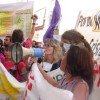
Activists in Argentina Expect Landmark Ruling against Agrochemicals
After more than a decade of campaigning against toxic agrochemicals, a group of women from a poor neighbourhood in the northern Argentine city of Córdoba have brought large-scale soybean growers to trial for the health damages caused by spraying.
Livelihoods Drying Up on Malawi’s Lake Chilwa
Fisherfolk and farmers living near Malawi’s second-largest water body, Lake Chilwa, are relocating en masse and scrambling for space around its shores as the lake has dried to dangerously low levels.
School Bullying, a Reflection of Society in Latin America
Because “schools reflect what is going on in society,” an analysis of what is behind the high rates of bullying in Latin America is urgently needed, says Marcela Román, an expert on education in the region.Cash Grants Replace Food Aid for Niger Families in Need
When her name is called, Rékia Djibo leaves the group of women gathered in front of the school in Toula, and takes a confident step towards the door. Djibo is one of the recipients of a cash transfer from the World Food Programme here on the outskirts of the southwestern Niger city of Tillabéri.Disputes Arise Over Cambodia’s Killer Illness
The deaths of dozens of Cambodian children in recent months from an initially undiagnosed disease has highlighted the difficult balancing act between informing the public and potentially provoking panic.
Mexico May Be on Verge of Rolling Back Military Jurisdiction
Following two groundbreaking rulings in recent days by the Supreme Court of Mexico, rights campaigners here on Thursday expressed optimism that widely criticised military legal jurisdiction over cases of human rights violations in Mexico’s anti-drugs fight could soon be overturned.Senegalese Cooperative Gives Youth Reasons to Stay at Home
Like many other young Senegalese, Pape Mokhtar Diallo long dreamed of escaping his rural home in northern Senegal for a better life. Three times he tried and failed to go overseas. But the establishment of an agricultural cooperative here in the village of Boyinadji has put another dream within his grasp.
Food Activists See Portents of New and Deeper Hunger Crisis
Food rights activists from around the world will descend on the coastal U.S. state of Florida next week to protest homelessness and hunger facing millions of people in the United States and across the globe.Mauritanian Women Turn to Poultry to Fight Poverty
The building is standing empty now, but Fatimetou Mint M'Barkenni is looking forward to when it is again filled with the soft cheeping of day-old chicks. Earlier in the year, she raised a first batch of broiler chickens as part of a pilot project, to boost rural incomes and food security here at Bourate, in rural Mauritania.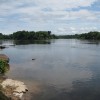
Belo Monte Dam Can No Longer Ignore Native Communities
A judicial order to halt construction of the Belo Monte dam in Brazil’s Amazon rainforest may be just one more battle in a long-drawn-out war in the courts over the controversial hydroelectric project.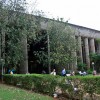
Quotas in Brazil’s Public Universities to Democratise Education
A new law about to enter into effect in Brazil will reserve half of all admission slots in public universities for students who attended public primary and secondary schools. But the measure, aimed at expanding access to the country’s best universities, will require structural reforms.Rebels Claim Responsibility for Syria Blast
The main Syrian rebel group has claimed responsibilty for a series of explosions in central Damascus near the hotel used by the U.N. observer mission in Syria.
Bangladesh ‘Fixes’ Grameen Microcredit
Laboni Vhoumik’s lingerie manufacturing unit in the Gopai village of Noakhali district, about 180 km outside the capital, is a forceful argument in favour of the Grameen Bank microcredit model that fosters female entrepreneurship and also relies on it.
Q&A: Hospitals Working to Reduce Their Ecological Footprint
Medical care is associated with images of cleanliness and good health. Today’s hospitals, however, are major sources of pollution and consume large amounts of valuable resources, like energy.
Surviving on a Meal a Day in Ghana’s Savannah Zone
In order to ensure that he and his family survive this year's failed harvest, Adams Seidu, like farmers in other rural communities in Ghana’s Northern Region, has implemented a strategy for survival. They are using what Seidu calls the "one-zero-one strategy" for children, and the "zero-zero-one strategy" for adults.
Crocs and Humans Clash in Shrinking Space
Twenty two-year-old Ajay Kallu, hailing from the Bakultala village in northern Andamans, was devoured by an estuarine crocodile when he waded waist deep into a creek to fish on the morning of Aug. 1, marking the fifth fatal crocodile attack in 28 months in the remote Islands that lie at the juncture of the Bay of Bengal and the Andaman Sea.
Civil Society Squeezed on All Sides
A year and a half after the international wake-up call of the Arab Spring uprisings, the room for civil society organisations is being increasingly constricted across the globe, experts in Washington warned on Tuesday.
Lean Times Get Leaner in Northern Cote d’Ivoire
Salimata Coulibaly, director of a medical centre in the town of Korhogo in the northern Cote d’Ivoire region of Savanes, stood before a chart displaying before-and-after photos of local children – one taken when each child arrived at the centre, and one after he or she responded to treatment for malnutrition.« Previous Page — Next Page »


 2026 High-level Political Forum on Sustainable Development. Credit: UN Photo/Eskinder Debebe
In 2015, the United Nations and its Member States adopted the Sustainable Development Goals (SDGs) in an effort to make the world a more sustainable and peaceful place for future generations. Progress on the 17 SDGs has been uneven, and inequality persists across the globe. 10 years after adoption, the 2025 UN SDGs Report revealed that only 35% of the SDG targets are on track, with more than half moving too slowly, and 18% moving backwards from the 2015 baseline. Poverty remains one of the world’s most pressing issues, with hunger, violence, and inequality impeding the opportunities for all people to achieve success. In September 2024, the United Nations Summit of the Future introduced a new goal: to eradicate global poverty by 2030, ensure universal rights to basic services, and increase the overall standard of living in terms of industrialization, economic well-being, citizen health, and literacy. Furthermore, recent shifts in United States foreign aid policy – notably, major budget cuts to USAID and the termination of thousands of development programmes– have severely threatened vital lifelines of financial aid to impoverished communities around the world. Additionally, the United States’ withdrawal from the Paris Climate Agreement has undercut international efforts at sustainable development. With the upcoming 2030 deadline, the UN Secretary-General has called for urgent multilateralism across six priority areas: food systems, energy, digital connectivity, education, jobs and social protection, and climate and biodiversity. IPS sheds light on marginalized communities that struggle on a daily basis to survive and have their stories heard and respected.
Updated by Yilan Batista and Shuli Wong August 2026

The Week with IPS

NEXT STOP - SDGs
Tracking global progress towards a sustainable world
