Languages
Sunday, November 22, 2026



News and Views from the Global South
Economy & Trade

What’s More Important, the War on AIDS or Just War?
They say there is a war on and its target is the deadly human immunodeficiency virus (HIV).IFC Warned of Systemic Safeguards Failures in Honduras
For the second time this year, an internal auditor has criticised the World Bank’s private sector investment agency over dealings in Honduras, and is warning that similar problems are likely being experienced elsewhere.
Eco-Friendly Agriculture Puts Down Roots in Spain
José María Gómez squats and pulls up a bunch of carrots from the soil as well as a few leeks. This farmer from southern Spain believes organic farming is more than just not using pesticides and other chemicals – it’s a way of life, he says, which requires creativity and respect for nature.
Youth Suicides Sound Alarm Across the Pacific
Suicide rates in the Pacific Islands are some of the highest in the world and have reached up to 30 per 100,000 in countries such as Samoa, Guam and Micronesia, double the global average, with youth rates even higher.
What Do the World Bank and IMF Have to Do With the Ukraine Conflict?
Mostly unreported as the Ukraine conflict captures headlines, international financing has played a significant role in the current conflict in Ukraine.
Zimbabwe’s ‘Casualisation of Labour’ Leads to a New Form of Exploitation
Ethel Maziriri, 27, holds an Honours Degree in Social Work from the University of Zimbabwe, but instead of working in her chosen profession, she works as a cashier in one of the country’s leading clothing retail company. And it’s not by choice.
Chile’s Patagonia Seeks Small-Scale Energy Autonomy
The southern region of Aysén in Chile’s Patagonian wilderness has the highest energy costs in the entire country. And the regional capital, Coyhaique, is the most polluted city in the nation, even though it has huge potential for hydroelectricity and wind power.
Swamped by Rising Seas, Small Islands Seek a Lifeline
The world's 52 small island developing states (SIDS), some in danger of being wiped off the face of the earth because of sea-level rise triggered by climate change, will be the focus of an international conference in the South Pacific island nation of Samoa next month.
Nepal’s Poor Live in the Shadow of Natural Disasters
Barely 100 km north of Nepal’s capital, Kathmandu, the settlement of Jure, which forms part of the village of Mankha, has become a tragic example of how the country’s poorest rural communities are the first and worst victims of natural disasters.
Minimum Wage, Minimum Cost
In 1958, when New York State was considering raising its minimum wage, merchants complained that their profit margins were so small that they would have to cut their work forces or go out of business. In 2014 in Seattle at hearings on a proposed minimum wage increase, some businesses voiced the same fears.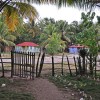
For Disenfranchised Haitian Islanders, Tourism Signals a Paradise Lost
Calm waters lap the shore beneath stately coconut palms. Mango trees display their bounty alongside mangrove forests. Goats graze peacefully on hillsides.
Zimbabwean Women Breathe New Life into Private Transport Sector
Mavis Gotora from Mabvuku high-density suburb, in Zimbabwe’s capital, Harare, walks up and down, as she persuades one passer-by after another to board the private taxi cab she drives.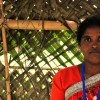
Women Warriors Take Environmental Protection into Their Own Hands
Aleta Baun, an Indonesian environmental activist known in her community as Mama Aleta, has a penchant for wearing a colourful scarf on her head, but not for cosmetic reasons.
Going Back to the Farm in Cuba
Scattered houses amidst small fields of vegetables and other crops line the road to the La China farm on the outskirts of the Cuban capital. This is where Hortensia Martínez works – a mechanical engineer who has been called crazy by many for deciding to become a small farmer.
Will Obama’s “New Africa” Deliver on Its Promises?
As the three-day U.S- Africa Leaders Summit here drew to a close Wednesday, experts across the private, public and non-profit sectors continued to debate the opportunities and obstacles posed by the U.S’ expanding business partnership with Africa.
Tech Entrepreneur Encourages Rwanda’s Young Women to Venture into ICT
Akaliza Keza Gara is only 27, but she’s achieved much for women in Rwanda’s technology sector in just a short space of time.
OPINION: For Nigerian Girls, Education Is the Key That Opens Doors to Progress
I grew up in Nigeria, in a culture where bearing a son validates a woman and her family, and a male innately holds the superior position in society over a female. At 11 years of age, I escorted my mother to deliver her fifth baby girl, my youngest sister, and watched our mom die in the hands of an unfit doctor.
Child Malnutrition Doesn’t Take Vacation in Spain
It’s two in the afternoon, and María stirs tomato sauce into a huge pot of pasta. School is out for the summer in Spain, but the lunchroom in this public school in the southern city of Málaga is still open, serving meals to more than 100 children from poor families.
OPINION: Toward an Inclusive TPP Trade Pact
The Trans-Pacific Partnership (TPP) negotiations have been hitting headlines recently, but not for all the right reasons.
Asia Looks to Innovation to Achieve Sustainability
Innovation in the fields of renewable energy, food production, water conservation, education and health will be crucial for the developing economies of Asia to meet the United Nations’ Sustainable Development Goals (SDGs).
Cuba’s Balsero Crisis Still an Open Wound, 20 Years On
Tears, silence and evasive responses are the reactions from Cubans when they are asked about the “balseros” or rafters crisis; two decades after an exodus without parallel in Latin America, it remains a taboo subject in this Caribbean island nation.« Previous Page — Next Page »


 UN Commission on International Trade Law Holds Colloquium on Harmonizing Law in Age of Digital Trade and Finance. Credit: UN Photo/Manuel Elías
Trade has historically been a geopolitical tool that can both be used to propel development as well as entrench inequalities. In various nations in East Asia and Latin America, increased trade, as often seen in export booms, has allowed them to achieve influential standings within the global economy. On the other hand, many low-income countries in Sub-Saharan Africa, Asia, and Latin America struggle to maintain a robust trade performance, and oftentimes are subjugated to exploitative trade dynamics through intense extraction of their natural resources. In recent decades, international trade has reached a new era as emerging economies across the world are rising in economic preeminence. Stable international trade is crucial to world peace as global interconnectedness facilitates reliable diplomacy. Nevertheless, significant challenges are on the rise. Notably, a major wave of United States tariff escalations in January 2025 lifted US import taxes to their highest level since the 1930s, changing market dynamics and forcing renegotiations with global trading partners.These articles are aimed at informing readers about the complexities of trade and its varying effects on development, with a special focus on the consequences of the global economic crisis, the potential of fair trade and the gender implications of trade policies.
Updated by Yilan Batista and Shuli Wong August 2026

The Week with IPS

NEXT STOP - SDGs
Tracking global progress towards a sustainable world
Tracking global progress towards a sustainable world
