Languages
Saturday, November 21, 2026



News and Views from the Global South
Featured

Climate Change Triggers Disease Risk in Tanzania
Residents in low-lying areas in Tanzania’s largest city, Dar es Salaam, are potentially at risk of contracting waterborne diseases as heavy rains, which started last week, continue to pound the city.
“Blessed” Rains Become a Curse in Antigua
 Antigua is one of the most drought-prone countries in the Caribbean. So whenever it rains, the inhabitants generally regard the weather as “showers of blessing”.

Political Violence in Venezuela, a Game With No Clear End
Violence on the streets of Venezuela, with anti-government protests in the capital and 12 other cities, is a sign of hardening stances by both the government and its opponents as President Nicolás Maduro takes a trial-and-error approach to the economy in crisis.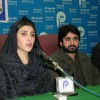
Students Take On the Army
Disturbed by civilian casualties and moved by the plight of people living like refugees in their own country, students from Pakistan’s Federally Administered Tribal Areas (FATA) are demanding an end to army operations against militants on their native soil.
Refugees Ski Too, in Iraq
No one here has heard of the Sochi Winter Olympics. But the snow conditions are perfect in these Kurdish mountains of Iraq and 11-year-old Syrian refugee Hassan Khishman is thrilled to glide on skis for the first time.
Somalia Powerless to Stop Al-Shabaab Mobile Internet Shutdown
Osman Ali, the owner of an electronics shop in Somalia’s capital, Mogadishu, has been hard-hit since Al-Shabaab forced the biggest telecoms company to switch off its mobile internet service in this Horn of Africa nation.European Ruling Ignites Freedom Debate
A ruling by the European Court of Human Rights (ECHR) in relation to a Turkish national has kicked up a new row on anti-racism legislation.
Russian Health Going Down With Vodka
Sitting in the dining room of a Moscow hotel, manager Yulia Golovanova explains why she always likes to see Russians, rather than foreigners, bring guests in.
Abolitionists Want to Set a Deadline for Nuclear Ban
Countries in favour of nuclear disarmament have reached the point where they are ready to set a date for the start of formal negotiations to eliminate nuclear weapons, a decision that could be taken in Austria at the end of this year.
Growing Inequality Mars 20 Years of Women’s Progress
As the world moves closer to the 2015 end mark of the Millennium Development Goals (MDGs), a new U.N. report illuminates how far global society has come, but also how far it still must travel to achieve its objectives.
South Africa’s Law to Stop Hate Crimes Against Gays
“Every day I live in fear that I will be raped,” said Thembela*, one of thousands of lesbians across South Africa being terrorised by the scourge of “corrective rape”.
Internet Holds a Presidential Hope
Turkey is waiting to see if President Abdullah Gul will ratify the government's controversial Internet bill, which opposition parties, civil society and the international community call a major restriction on freedom of expression.
USAID Unveils Five-Year Plan in Afghanistan
Even as most international military forces are slated to leave Afghanistan by the end of 2014, USAID, the foreign aid arm of the U.S. government, is emphasising its sustained commitment to developing Afghanistan’s economy after the withdrawal.
Obama’s Arms Sales Policy: Promotion or Restraint?
The United States is the world’s leading arms trafficking nation, with $60 billion in arms transfer agreements last year alone. In 2011, U.S. companies and the U.S. government controlled over three-quarters of the international weapons trade.
Waiting for Justice for Mali’s Missing Soldiers
Aminata Diarra last saw her brother, Malamine, a member of the Malian Red Berets, special forces loyal to ousted president Amadou Toumani Toure, alive on national television almost two years ago.
Bolivia’s Anti-Racism Law – Not Worth the Paper It’s Written On?
Three years ago Bolivia passed a law to combat discrimination and racism, but no one has been convicted as a result, in spite of hundreds of legal complaints.
OP-ED: We Need Everyone to Build a More Sustainable World
Last week, I had the privilege of attending the Delhi Sustainable Development Summit, an annual event that deals with a subject that is very close to my heart. The summit gathered together amazing people: Nobel Prize winners, thought leaders, heads of state, corporate innovators, and academicians to deal with the paramount challenges of the 21st Century all focused on three pressing dimensions of sustainability: food, water and energy.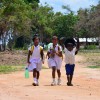
After War Comes Peace, Not Prosperity
Sri Lanka’s war-battered Northern Province had reason to celebrate when the results of a countrywide exam were announced last December. Of the 16,604 students from the province who sat for the exam, 63.8 percent secured the required marks for entry into prestigious national universities.
Plugging South Africa’s Post-Apartheid Leaks
The South African government’s earnest rush to provide water to millions of people post-apartheid may have jeopardised its attempts to provide services to the country in the long run.
U.S. Leans Toward Restoring Voting Rights for Felons
U.S. Attorney General Eric Holder and several key Republican and Democrat senators agree on the need for criminal justice reform, and some are now even seeking to restore voting rights to former felons.
Floridians Lead U.S. in Favouring Normalisation with Cuba
If President Barack Obama wants to move more quickly to normalise ties with Cuba, it appears he has gained the political space to do so, according to analyses of a major new bipartisan public-opinion poll released here Tuesday by the Atlantic Council.« Previous Page — Next Page »


The Week with IPS

NEXT STOP - SDGs
Tracking global progress towards a sustainable world
Tracking global progress towards a sustainable world
