Languages
Tuesday, November 24, 2026



News and Views from the Global South
Featured
Q&A: Brazil Invited to Join U.N. Palestinian Refugee Agency
The policy of pacification of Rio de Janeiro’s violent favelas, or shantytowns, could serve as a model in some respects in Palestinian refugee camps, says Filippo Grandi, commissioner-general of the United Nations Relief and Works Agency (UNRWA) for Palestine refugees, in this interview with IPS.
Beating the Weather With Sustainable Crops
Narrow, cobblestoned lanes separate the rows of mud houses with cool interiors and mud-smoothened patios, some with goats tethered to the wooden posts. This is Tajpura village, deep in this water-stressed, drought-prone region of northern India.Gazans Punished Again for Others’ Crimes
With more restrictions placed on the Rafah border crossing between Egypt and Gaza, and access to the Palestinian territory’s smuggling tunnels increasingly blocked, human rights groups say Gaza’s 1.6 million residents are unfairly being punished for the attack on an Egyptian military base in Sinai.
One Year Later, Still Suffering for Loyalty to Gaddafi
One year has passed since the Tawerghans fled their coastal town during Muammar Gaddafi’s violent overthrow, and displaced residents are still waiting for a chance to return.
Criticism of Uganda’s Government Leads to Harassment of NGOs
In the face of rising public criticism over a range of controversial political manoeuvres, the Ugandan government has become increasingly hostile to the work of non-governmental organisations, particularly those advocating for the rights of the lesbian, gay, bisexual and transgender community, according to a new report from Human Rights Watch.Mauritania’s Date Palms, Cultural Heritage and Means of Survival
"The palm tree is a means of survival," said Tahya Mint Mohamed, a 44-year-old Mauritanian farmer and mother of three children. “We eat its dates; we make mats, beds and chairs from palms; the leaves are also used to make baskets and to feed our livestock.”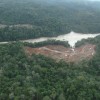
Hydropower Dam to Flood Sacred Amazon Indigenous Site
The Sete Quedas or “seven waterfalls” on the Teles Pires River, which runs through the Amazon rainforest states of Mato Grosso and Pará in central Brazil, are a spiritual oasis venerated by several indigenous groups.Northern Iraq Instead of Syria: Turkish Army’s New Target?
With attacks by the Kurdistan Workers Party (PKK) multiplying and spreading to a larger number of Turkish provinces, Ankara is under increasing pressure by nationalistic parties to take tougher measures against Kurdish activism, including a full-blown land incursion by the Turkish armed forces into northern Iraq.Food Security and the Failure of Mechanisation in DRC
Mechanisation was expected to transform agriculture in the Democratic Republic of Congo's central province of East Kasaï. But a project to offer tractors for ploughing land has fallen flat.
A Plea to a Pirate
The simple sentences six-year-old Minadi writes on paper should delight her mother. Instead, Vilasini Wakwella despairs over their content.
Donors Turn Their Backs on Taliban
For the past five years Sharifullah Shah, a local doctor from the conflict-ridden North Waziristan province in Pakistan, has handed over 500 dollars to the Taliban during the month of Ramadan. But this year, he is putting his money straight into the Edhi Welfare Centre, where he knows it will reach those in need.Treating Doctors for Corruption
Slovak doctors have launched an unprecedented campaign to rid their own profession of what is widely perceived as endemic bribery.
Europe Thinks Again About Food
Present day European farming is based on the Common Agricultural Policy (CAP), which was created over six decades ago by countries emerging from severe food shortages that swept the continent during and after the Second World War.
Cambodia’s Hydro Plans Carry Steep Costs
The Cambodian government has committed to the construction of two dams along the Mekong River in order to meet a huge demand for electricity, but environmental groups warn that severe repercussions loom for this strategy.
Palestinians Step Again Towards Nationhood
A year after their bid for statehood flopped in the United Nations’ Security Council, the Palestine Liberation Organisation is again planning to seek an upgrade in UN status. On Sep. 27, the PLO will approach the UN General Assembly in hopes of becoming a non-member observer state. If their bid is successful, the Palestinians will be eligible to join various UN agencies and will also be able to bring allegations of Israeli war crimes to the International Criminal Court.
Immigrants’ Fear Palpable in Arizona
Fear stalks the streets in the U.S. state of Arizona. Seven-year-old Matthew feels it when his mother crosses the line permitted by the guards of the Tent City - an extension of the Maricopa County Jail - to be photographed with a sign protesting the imprisonment of immigrants.Millions of Jobless Desperate in Spain
The sun is shining in Spain as it does every summer. But millions of people in this crisis-stricken country are living in the shadow cast by Europe’s highest unemployment rate.
U.S. Breaks Silence on Bahrain Crackdown
The U.S. State Department released a statement Friday urging the Bahraini government to reconsider a ruling that sentenced the director of the Bahrain Center for Human Rights, Nabeel Rajab, to a three-year jail term for organising opposition rallies.
Livelihoods Drying Up on Malawi’s Lake Chilwa
Fisherfolk and farmers living near Malawi’s second-largest water body, Lake Chilwa, are relocating en masse and scrambling for space around its shores as the lake has dried to dangerously low levels.
School Bullying, a Reflection of Society in Latin America
Because “schools reflect what is going on in society,” an analysis of what is behind the high rates of bullying in Latin America is urgently needed, says Marcela Román, an expert on education in the region.Cash Grants Replace Food Aid for Niger Families in Need
When her name is called, Rékia Djibo leaves the group of women gathered in front of the school in Toula, and takes a confident step towards the door. Djibo is one of the recipients of a cash transfer from the World Food Programme here on the outskirts of the southwestern Niger city of Tillabéri.« Previous Page — Next Page »


The Week with IPS

NEXT STOP - SDGs
Tracking global progress towards a sustainable world
