Languages
Monday, November 9, 2026



News and Views from the Global South
Gender
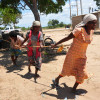
Women Battle On After Lanka War
The battle might have been over four long years ago, but for the women in Sri Lanka’s former conflict zones in the northern and eastern provinces, the war continues.
Domestics Join Forces to Put Their House in Order
“We have come together to join forces, to be heard, because we want to speak for ourselves,” said Ernestina Ochoa, a Peruvian domestic worker, at the close of the founding congress of the International Domestic Workers Federation in the Uruguayan capital.
Cameroon’s HIV Message Misses Pregnant Teens
With a wide smile Beatrice M.* says that she lives by the motto “life is short and beautiful — live it to the full.” The 20-year-old, HIV-positive mother refuses to be defeated by her new circumstances.
“One Day in There Is Like 100 Years”
"It’s just like a prison. One day in there is like 100 years,” says Jennifer, a 35-year-old Nigerian woman, describing what her aunt went through in the Immigrant Detention Centre (CIE) in this city in southern Spain before she was deported.
Sometimes, Sex Work is the Least Bad
“We are not saying that all people become sex workers, but you make more money,” Virak Horn, a 32-year-old gay sex worker who works freelance in Cambodia’s capital Phnom Penh, tells IPS. He earns enough to support his family and pay for his college degree.
‘Dirty’ Christians Now Afraid to Clean
Like most Christians in Pakistan, Johar Maseeh did a little cleaning job. He was a sweeper in a factory in Peshawar, capital of Khyber Pakhtunkhwa province in northern Pakistan.
Mirror, Mirror – Who Is that Woman on TV?
Carla Vilas Boas is of mixed-race descent – African, European and indigenous - like a majority of the population of Brazil. But she spends hours straightening her hair, trying to look more like the blond, blue-eyed women she sees in the mirror of television.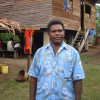
Solomon Men Learning Wisely to Respect Women
In the Solomon Islands in the south-west Pacific, where two in three of the estimated female population of 252,000 have experienced physical and sexual partner abuse, recognition is growing that ending the cycle of violence cannot be achieved without the partnership of men as catalysts of change. And initiatives by men are gaining support.
OP-ED: Women’s Empowerment Builds International Peace and Security
When war erupts, women are often the first to experience the harsh brutality and the last to be called to the peace table. A resolution adopted Friday by the U.N. Security Council moves us one step closer to the full participation of women as leaders for peace and security.
Grief Veils Eid for Syrian Refugees
This week the Islamic world marks one of its holiest holidays, Eid al-Adha - honouring Ibrahim’s commitment to sacrifice his first-born son to Allah. The festival involves large family gatherings, bountiful lunches and generous gift giving.
Walking an Economic Tightrope with No Safety Net
With the richest one percent of the population now owning 40 percent of global assets, and the bottom half sharing just one percent, inequality is fast being recognised as a stubborn underlying obstacle to development.Armenia’s Fight against Gender Equality Morphs into Fight Against EU
Europe is getting a surprise bashing in Armenia over a law on gender equality that many Armenians claim is designed to “promote” homosexuality as a “European value.”
Climate Change a Mixed Blessing for Coconut Farmers
Climbing up the coconut industry has been anything but easy for Rosamund Benn, who has dedicated the past 32 years of her life working on a 50-acre coconut farm in The Pomeroon, a farming region of Guyana.
Swat Not at Peace With Malala
Back in Swat Valley in Pakistan where she comes from, Malala Yousafzai who had been tipped to win the Nobel peace prize this year, has not only left behind more girls in school now than there were a year ago but also large numbers of people who are now distanced – and even hostile – to her.
OP-ED: Why Keeping Girls in School Can Help South Sudan
Mary K. loved to study and wanted to be an accountant. However, when she was 16 and in class six (grade eight), her father forced her to leave school to marry a 50-year-old man who paid him 60 cows.
New Laws May Fail to Protect Children in Sri Lanka
Stricter laws could curb the rising trend of child abuse in Sri Lanka, experts say. However, recommendations like witness protection, special courts and procedures to hear abuse cases and more legal assistance to victims are unlikely to be included in a new draft Child Protection Policy that is to be presented to parliament before the end of the year.
U.N.’s Top Posts Remain a Boy’s Club
Despite adopting scores of pious resolutions on gender empowerment over the last 67 years, the 193-member General Assembly has failed to practice in its own backyard what it has vigourously preached to the outside world.
Little Girls Killed, Who Cares
Twenty-eight-year-old Omar Zaib, a taxi driver in Lahore, capital of Pakistan’s Punjab province, confessed in court last month to drowning his one-and-a-half-year-old daughter because he wanted a son. A few days later, the media reported that two newborn girls had been found abandoned at a railway station.
Egyptian Revolution Brings an IVF Rush
The young couple inspecting Dr Bassem Elhelw’s Cairo Fertility Clinic knew what they wanted from him: a baby boy. They also knew they wanted the child by in vitro fertilisation (IVF).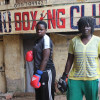
Ugandan Women Put On Their Boxing Gloves
Helen Baleke took up boxing at 16, after she was attacked by a man in Kampala’s Katanga slum. But the beating turned her into what she is today – one of only several female Ugandan amateur boxers.
Survivors Question U.N. Focus on Legalising Sex Work
The age-old debate over how to regulate sex work has led to a rift between the United Nations and anti-trafficking organisations, which are pressuring the world body to rethink its position following two reports that advocate decriminalising all aspects of prostitution.« Previous Page — Next Page »





Women make up half the world's population, but don't nearly share half of the world's wealth, well-being and opportunity. Two-thirds of the world poor are women, disproportionally exposing women to precarious living conditions, disease and unmitigated natural disasters. The media, meanwhile, remains a male-dominated sector in much of the world, contributing to women's voices lacking a crucial amplifier to put their concerns on political agendas and unleash the development potential of their ingenuity. Rather than then stereotypical victims of local and global forces, women are also organizer, innovators, conservators and community builders. These are some of their stories.

The Week with IPS

NEXT STOP - SDGs
Tracking global progress towards a sustainable world
Tracking global progress towards a sustainable world
