Languages
Tuesday, November 10, 2026



News and Views from the Global South
Gender

Brazil Emerging as Key Player at U.N.
When a U.N. member state agrees to hold an international conference in its capital, the host country is not only offered the privilege of chairing the mega meeting but also given pride of place as the keynote opening speaker.
Christian Right’s Influence Shaken by U.S. Election
For decades, right-leaning white Christian evangelicals, currently at least 25 percent of the U.S. electorate, have been a significant and influential voting demographic.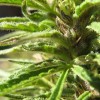
Victories for Marijuana Legalisation, Same-Sex Marriage at U.S. Polls
In addition to the victories of the Democratic Party in retaining the presidency and the U.S. Senate, and of the Republican Party in retaining the U.S. House, there were major issue-related victories in Tuesday's election whose common threads are personal liberty and human rights.
Keeping the Veil on Women’s Electoral Participation
Cameroon’s new biometric registration of voters may end up disenfranchising many potential voters, especially women in the country’s predominantly Muslim north where cultural practices may prevent them from having their photos taken.
Sierra Leone – Women Shoot Themselves in the Foot in Elections
Only 38 women - of a total of 586 candidates - will contest parliamentary seats in Sierra Leone’s November elections, and the blame for this can be laid squarely on the shoulders of the current group of female lawmakers, according to Barbara Bangura, the director of the women’s organisation Grassroots Empowerment for Self Reliance.
Parents Worry After Malala Attack
Young schoolgirls seemed undeterred by the attempt to kill Malala Yousafzai, but parents in northern Pakistan are becoming increasingly concerned over their children going to school.
Q&A: Exposing the Good, the Bad and the Lack of Media Freedom
Pansy Tlakula, the African Union's Special Rapporteur on Freedom of Expression and Access to Information, has done her best to address the continued harassment of journalists in the Gambia.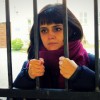
Migrants in Poland Find a Voice At Last
It took hunger strikes and a case like Layla Naimi’s to push authorities in Poland to amend laws dealing with irregular migrants.Women Poised to Vote for Stronger Economy
A few weeks ago, President Barack Obama was seen as certain to collect the majority of women's votes in the Nov. 6 presidential election. Four days before the election, however, the women's vote is thought to be divided equally between Obama and his Republican challenger, Mitt Romney.
Q&A: Kenyan Women Set to Take on Men in Elections
As Kenya gets ready for voter registration this month, ahead of the country’s Mar. 4, 2013 polls, women’s rights organisations are hoping that the provisions for gender equality in the new constitution will mean significantly increased representation in the government.
Egypt’s Women Rebel Against Harassment
Egyptian bullies who sexually harass women in the streets, often taking advantage of mob situations and the anonymity these provide, are getting a taste of their own medicine - and they don’t like it.
Algeria Skips the Revolutionary Spring
As the Arab Spring continues to rage across the Middle East and North Africa, the gaze of the international media has largely passed over a country that was once known for its restive population, its long and bloody decolonisation struggle and revolutionary zeal.
‘Breastfeeding Best for Bangladesh’
Bangladesh’s achievement in raising exclusive breastfeeding rates for infants under six months from 43 percent to 64 percent, over the last five years, is said to be the result of a determined campaign by government and non-governmental organisations (NGOs).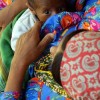
Wrangling Begins Over New Sustainable Development Blueprint
As the Millennium Development Goals (MDGs) limp towards their target date of 2015, the United Nations is shifting its focus to another long-term action plan: a new set of Sustainable Development Goals (SDGs).
New Drugs Underused in Averting Maternal Deaths
In most developing countries, where a woman gives birth still determines whether she lives or dies, despite the availability of inexpensive new medication that is proven to save lives.Women Using ICTs to Change the World
New technologies can transform society, and the role of women in using these tools to promote change was clearly seen at the first ICT Congress for Peace in this city in northern Spain.
Q&A: Severe Birth Defects Soar in Post-War Iraq
A new study confirms what many Iraqi doctors have been saying for years – that there is a virtual epidemic of rare congenital birth defects in cities that suffered bombing and artillery and small arms fire in the U.S.-led attacks and occupations of the country.
Regional Trade Key to African Food Security, World Bank Says
The World Bank is urging African countries to strengthen regional food trade, suggesting that food security could be greatly enhanced simply by allowing farmers to trade more easily across the continent.
Egypt Revolution Makes It Worse for Women
During the uprising that toppled Egyptian dictator Hosni Mubarak women stood shoulder to shoulder with men in Cairo’s Tahrir Square, pressing the revolution’s demands for freedom, justice and dignity. But those who hoped the revolution would make them equal partners in Egypt’s future claim they may be worse off now than under Mubarak’s authoritarian rule.
Entrepreneurs and Women: Keys to Growth in Africa
The international financial crash of the late 2000s created more than a global economic recession: it accentuated popular doubts about the paradigms on which our economies are built and prompted a closer look at two crucial drivers of economic growth: women and entrepreneurship.
Adultery Laws Unfairly Target Women, U.N. Says
When one of the Asian countries embraced Islamic Sharia law back in the 1990s, the rigidly conservative government threatened to enforce a provision that called for convicted adulterers to be stoned to death.« Previous Page — Next Page »





Women make up half the world's population, but don't nearly share half of the world's wealth, well-being and opportunity. Two-thirds of the world poor are women, disproportionally exposing women to precarious living conditions, disease and unmitigated natural disasters. The media, meanwhile, remains a male-dominated sector in much of the world, contributing to women's voices lacking a crucial amplifier to put their concerns on political agendas and unleash the development potential of their ingenuity. Rather than then stereotypical victims of local and global forces, women are also organizer, innovators, conservators and community builders. These are some of their stories.

The Week with IPS

NEXT STOP - SDGs
Tracking global progress towards a sustainable world
Tracking global progress towards a sustainable world
