Languages
Friday, October 9, 2026



News and Views from the Global South
Africa

Answering the Challenges Posed by Antimicrobial Resistance
Staphylococcus aureus is the source of a skin infection that can turn deadly if drug resistant. Estimates regarding the most common resistant variation, methicillin-resistant Staphylococcus aureus (MRSA), exceed 100,000 deaths globally in 2019.
Reimagining Urban Agriculture With Vertical Farming
Cities across the world including New Jersey and California, a State that is home to a multi-billion dollar agricultural industry, have continued to experience climate change linked extreme events including scorching temperatures, extreme heat events, heavy storms and flooding with devastating impacts on agriculture, food security, and food systems.
Remedy in Sight to Subdue an Invasive Poisonous Enemy in Kenya’s Drylands
Hannah Sakamo is worried. She is about to lose yet another goat in less than a month. A pastoralist in Eldepe village, Marigat Sub-County, Baringo County in Kenya’s Rift Valley region, her household’s lifeline is at stake. The goat in question, whose days are now numbered, has consumed pods, or the fruits of the invasive species, Prosopis juliflora, locally known as mathenge.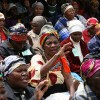
What Does the African Continental Free Trade Agreement Hold for Women?
Agnes Opus sells cereals in Busia, the border town between Kenya and Uganda. This is her lifeline through which she caters for her immediate family’s needs from school fees to housing and medical care and support to her extended family. While she dedicates all her energy and time to this work which she loves, she struggles to meet all her needs. She faces many non-tariff barriers including harassment by officials and unclear and ever-changing information on trade requirements.
Optimism Prevails Despite Uncertainty Over Revolution to Build Africa’s Food Systems
The 2022 Africa Green Revolution Forum (AGRF) Summit ended in Kigali, Rwanda, with policymakers, activists, researchers, business leaders, and agricultural experts divided over the right pace to build resilient agri-food systems on the continent.
Africa Needs More Action, Fewer Words to Secure Food and Nutrition
For more than five years, Ritta Achevih was harvesting one bag of maize or less from her small plot each season. She could hardly provide enough healthy food for her big family.
Inequitable Global Health Responses Underscore Need for More Self-Sufficiency in Developing Countries
With the outbreak of Monkeypox in non-endemic countries leading to a scramble for vaccines, global health advocates are again calling for equity to be prioritized in the international response.
Zambian Parliamentarians Tackle Population Issues to Improve Quality of Life for Citizens
Parliamentarians play a decisive role in addressing population issues, as was demonstrated when the majority voted against a private member motion to end the teaching of comprehensive sexuality education (CSE) in Zambia in 2020.
How Development Banks Put Communities at Risk – PODCAST
 A 2021 World Bank-financed project in Uganda was supposed to help communities to sustainably manage local areas and to cope with the impacts of Covid-19. But at one site, the Toro Semliki Wildlife Reserve, the funding emboldened the Uganda Wildlife Authority. A government body, and the project’s implementing agency, the UWA has long prevented indigenous communities from reclaiming their land near the wildlife reserve.
Sand Poachers Fueling Environmental Harm in Zimbabwe
In Chitungwiza, right next to the highway, 36-year-old Nesbit Gavanga and his five colleagues use shovels as they load trucks with sand. The six apparently are in the business of sand-poaching and openly explain that every other day they engage in running battles with environmental officials who seek to curtail land degradation here. The group’s informal sand quarry lies 25 kilometers southeast of the Zimbabwean capital Harare.
COVID-19 Forced Ugandan Teachers to Go Digital, Teaching Them Important Lessons
Before the outbreak of COVID-19, an education officer in the district neighbouring Uganda’s capital Kampala decreed that teachers could not take computers, mobile phones, or tablets into classrooms.
Malawian Farmers Reap More from Sunflower, Chillies
Having harvested and graded their sunflower crop instead of taking it to market, every member of Zikometso Productive and Innovation Centre (IPC) brings their produce to the factory for cooking oil production. The IPC falls under the National Smallholder Farmers Association of Malawi (Nasfarm).
Africa Should Trade its Carbon Credits to Fund Renewable Energy – UNECA
Africa needs to trade in carbon credits to reduce greenhouse gas emissions, finance the transition to renewable energy, and boost economic development, the United Nations Economic Commission for Africa (UNECA) says.
How France Underdevelops Africa
Most sub-Saharan African French colonies got formal independence in the 1960s. But their economies have progressed little, leaving most people in poverty, and generally worse off than in other post-colonial African economies. Decolonization? Pre-Second World War colonial monetary arrangements were consolidated into the Colonies Françaises d’Afrique (CFA) franc zone set up on 26 December 1945. Decolonization became inevitable after France’s defeat at Dien Bien Phu in 1954 and withdrawal from Algeria less than a decade later.
In Zimbabwe, Auxillia Mnangagwa is Following in Grace ‘Gucci’ Mugabe’s Path
On Friday, November 24, 2017, Emmerson Mnangagwa was sworn as interim leader during a colourful ceremony at the National Sports Stadium in the capital Harare, after the ouster of President Robert Mugabe in a military coup more than a week before.
UN Labour Report Highlights Employment Challenges for Youth
When COVID-19 prompted economic shutdowns across the globe, many analysts predicted that youth would be especially at risk. This is because young people tend to have fewer economic assets and limited experience in the labor market.
The Challenges of High Fertility, Rapidly Growing Populations
While most countries in the world have made the transition from high to low rates of deaths and births, many countries, largely in Africa, face the challenges of high fertility rates that are resulting in rapidly growing populations.
Why Electoral Malpractices are the Leading Form of Governance in Africa
Once again, Kenya finds itself at a crossroads. The current events in Kenya illustrate how and why electoral malpractices and not democracy and human rights are the leading form of governance in Africa.
Starvation Pounds Inflation-Hit Urban Zimbabweans
With inflation at 256.9 percent, 49-year-old Dambudzo Chauruka can no longer afford to buy bread despite working as a civil servant in Zimbabwe.
Yes, Africa’s Informal Sector Has Problems, But the Answer Isn’t to Marginalise It
African leaders are increasingly aspiring to “modernise” their cities. That is to make them “globally competitive” and “smart”. The hope is to strategically position cities in Africa to drive the continent’s much-needed socio-economic transformation.
COVID-19: Scientists Warn That It’s Not Over Till It’s Over
After two years of economic and social upheaval caused by the COVID-19 pandemic, many countries, including South Africa, have lifted the tough protocols such as lockdowns, the mandatory wearing of masks and social distancing.« Previous Page — Next Page » *#*

The Week with IPS

NEXT STOP - SDGs
Tracking global progress towards a sustainable world
Tracking global progress towards a sustainable world
