
Friday, November 20, 2026



News and Views from the Global South
Climate Change

Indian Ocean Rim Countries Battered by Disasters – Part 2
The heat wave in the Indian state of Orissa, which saw a 10-degree Celsius increase in summer temperatures last month, claimed 21 lives, according to government sources; unofficial estimates counted 87 deaths.Obama, U.S. Image Falls, But Still Better Than Bush
While confidence in Barack Obama overseas has declined - in some countries, quite sharply - since his 2009 election, the U.S. president and the U.S. in general still receive higher approval ratings among publics abroad compared to 2008, George W. Bush's last year in office, according to a major new survey of 21 countries released here Wednesday.
Q&A: Women Must Be at the Forefront of Rio+20, and Beyond
Unlocking women's energies and allowing them to become drivers of change could fuel the motor of sustainable development.
Setting Goals to Protect Half the Planet
The high seas, crucial regions of the world's oceans that are beyond national jurisdiction, account for 45 percent of the planet, but are today under severe threat from overfishing and pollution.
Q&A: “We All Have to Start Being City Changers”
Building the cities of the future requires not only smarter planning but a profound shift toward greater equity and social justice, says Joan Clos, executive director of the U.N. Human Settlements Programme, or UN-HABITAT.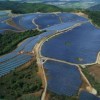
Biggest Economies Still Lagging on Renewables
On the eve of the Rio+20 Summit in Brazil, the U.S.-based Natural Resources Defense Council (NRDC) released a report Monday ranking the world's biggest countries on their use of renewable energy.
Rio+20: Transforming Political Platitudes into Economic Realities
When world leaders endorse the final plan of action, titled "The Future We Want, at the Rio+20 summit in Brazil next week, a lingering question may remain unanswered: how best can the United Nations transform political platitudes into economic realities?
Q&A: “Today’s Food System Is Failing Small Farmers”
With heads of state from more than 120 nations and tens of thousands of civil society and international development experts gathering for the U.N. Summit on Sustainable Development next week, it is accepted wisdom that rethinking agriculture is one of most critical issues facing this and future generations.
MEXICO: Yearly Floods the New Reality for Rural Women
Year after year, women in rural areas of the southeastern Mexican state of Tabasco have to get ready for floods that threaten their homes, crops and livestock.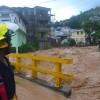
How Would You Measure Success at the Rio Summit?
When the heavily hyped three-day U.N. Conference on Sustainable Development (UNCSD) comes to a close in Rio de Janeiro Jun. 22, what would be the yardstick to measure its successes and failures?Chile’s Smog Still Deadly
"We are facing a very alarming situation, and solutions are urgently needed," said Cecilia Sepúlveda, the dean of the University of Chile medical school, after it was announced that 4,200 people a year in this country die from causes directly attributable to smog and other kinds of pollution.
Women and children need climate change education
 70% of smallholder farmers in sub-Saharan Africa are women. Many of these are semi-illiterate, yet they are the most affected by changes in climate.

MEXICO Farmers Use Traditional Knowledge to Deal with Climate Change
Small farmers in Mexico, who receive little institutional support, are drawing on their traditional knowledge to deal with and adapt to climate change, experts say.
Calls for an African Green Revolution, Only Smarter
To deal with looming food crises in the coming decades, Africa needs a Green Revolution on par with what took place in Asia during the 1960s and 1970s, according to experts in Washington.
Ahead of Rio+20, “The Economy is Already Turning Green”
While governments make a last desperate attempt to agree on a plan of action for next week's Rio+20 summit on sustainable development – including plans on the transition to a green economy and a set of sustainable development goals – the real economy is already turning green, according to Italy’s minister of environment, Corrado Clini.
RIO+20: A Stalemated U.N. in Do-or-Die Session on Action Plan
After weeklong negotiations, a meeting of the Preparatory Committee (PrepCom) to finalise a plan of action titled "The Future We Want" for next week's Rio+20 summit has failed to reach agreement - and deferred a decision to a final three-day session in Brazil.
24 Policies to End the Earth Emergency
Ecologically ignorant policies are largely responsible for the interlinked crises that are unraveling the planet's life support system.
Expo 2012 Shadows Rio+20 on Sustainable Oceans
When the U.N. Conference on Sustainable Development (UNCSD) takes place in Brazil next week, it will be closely shadowed by another event thousands of kilometres away in the South Korean coastal town of Yeosu: Expo 2012.
RIO+20: Earth Summit Negotiated the Size of the Zero
Amidst much political fanfare, the 1992 Earth Summit in Rio de Janeiro concluded with the adoption of the Rio Declaration on Environment and Development and the landmark Agenda 21 blueprint for a sustainable future in the 21st century.
For Dominica, Adaptation Best Option to Combat Climate Change
It has been dubbed the "Nature Isle" of the Caribbean, its craggy and dense rain forests, usually covered with fog, bearing testament to how cool temperatures can be here.
Human Activity and Climate Change Threaten Tourism in Jamaica
Experts here fear that that the impact of climate change on Jamaica's fragile ecosystems will worsen the ravages of human activity and destroy the country's tourism industry.« Previous Page — Next Page »


As unsustainable human consumption and production systems are driving changes in average temperatures and weather patterns, "abnormal" is increasingly becoming the norm. So far, a lack of financing has been standing in the way of a comprehensive global plan for climate adaptation, and a global financial crisis has contributed to an increasing reliance on public-private partnerships. Our Climate Change page provides you with the latest news about international and local efforts to address what's frequently been called "the challenge of our time", the forces behind the climate change and the impact it has on the world's most vulnerable populations. Along the way, we bring you stories on growing citizen awareness, new scientific data, and emerging climate policies towards sustainable development.

The Week with IPS

Tracking global progress towards a sustainable world

