
Friday, November 20, 2026



News and Views from the Global South
Environment

Climate Change Threatens Flavour of Argentine Wine
Purple garlic that is losing its color? More translucent wine? Climate change will also affect the flavours of our food in the absence of measures to mitigate the impacts of global warming, which are already being felt in crops that are basic to local economies, such as in the Argentine province of Mendoza.
Open Data – Still Closed to Latin American Communities
Open data policies in Latin America have not yet enabled communities to exercise their right to access to information, consultation and participation with regard to mining or infrastructure projects that affect their surroundings and way of life.
Zimbabwe’s Mega Dam Project Could Flounder in the Face of Climate Change
Zimbabwe's planned Batoka Gorge power project on the Zambezi River is expected to generate 2,400 megawatts (MW) of electricity, upward from an initial 1,600 MW, but the worsening power cuts that are being blamed on low water levels have renewed concerns about the effects of climate change on mega dams.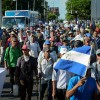
Nicaragua’s Interoceanic Canal, a Nightmare for Environmentalists
The international scientific community’s fears about the damage that will be caused by Nicaragua’s future interoceanic canal have been reinforced by the environmental impact assessment, which warns of serious environmental threats posed by the megaproject.
Interview: “‘We’re Not Independent Enough,” says ASEAN Rights Commission Chair
(IPS Asia-Pacific) – Although it is six years old, few know what the ASEAN Intergovernmental Commission on Human Rights (AICHR) does. It has been called toothless, though its creation was seen as a step forward given the principle of non-interference in the 10-member Association of Southeast Asian Nations (ASEAN).
How Climate Change Threatens Zambia’s Already Fragile Nutrition Record
It is slightly after 10 o’clock in the morning and 48-year-old Felix Muchimba of Siamuleya village in Pemba district has just finished having breakfast – a traditional drink called Chibwantu, made of maize meal and grit.
Central America Seeks Recognition of Its Vulnerability to Climate Change
For decades, the countries of Central America have borne the heavy impact of extreme climate phenomena like hurricanes and severe drought. Now, six of them are demanding that the entire planet recognise their climate vulnerability.
Opinion: Integrating Water, Sanitation and Health are Key to the Promise of the UN Global Goals
The 193 member states of the United Nations have adopted an ambitious 15-year sustainable development agenda, the 2030 Global Goals.
Opinion: The Broken Promises of the Peruvian Development Model
Lima was the host, in October 2015, of the International Monetary Fund (IMF) and the World Bank annual meetings. The two Bretton Woods institutions, criticized for their record of lowering social and environmental conditions, seek to showcase Peru as a success of their neoliberal policies and reforms to the rest of the world.
Medicinal Plants Popular and Unprotected in Mexico
“This plant heals 150 ailments, like diabetes, high blood pressure and gastritis. It's prepared as an infusion or blended with water, and you take it every day," says Clemente Calixto, a traditional indigenous healer in Mexico, holding up a green leafy branch.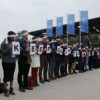
Civil Society Activists Cold-Shouldered at Climate Talks
A former UN Secretary-General once paid a supreme compliment to the work of civil society groups when he described non-governmental organisations (NGOs) as the world’s “third super power” –- presumably ranking behind the United States and Russia.
Bangladesh Facing Tough Climate Choices
Twice a week, 20-year-old Kulsum Begam, a young mother of two, spends over three hours gossiping with the neighbours.NGOs Disappointed With Final Round of Climate Negotiations
Civil society groups have expressed disappointment over the outcome of the final round of U.N. climate change negotiations in Bonn -- 38 days ahead of the upcoming summit in Paris.
Agricultural Keys to Malaria in African Highlands
Sixty-five years after a major international summit here on malaria, the mosquito-borne disease remains a scourge and its incidence may even be rising in parts of sub-Saharan Africa due to the combined effects of climate change, agricultural practices and population displacement.
Opinion: It’s Time to Put Local Communities in Charge of Liberia’s Forests
Liberian President Ellen Johnson Sirleaf recently affirmed her commitment to the land rights of Liberia’s local communities, who rely on the forests for their livelihoods and have cared for them for generations.
Terrace Farming – an Ancient Indigenous Model for Food Security
Terrace farming as practiced from time immemorial by native peoples in the Andes mountains contributes to food security as a strategy of adaptation in an environment where the geography and other conditions make the production of nutritional foods a complex undertaking.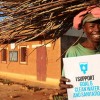
Water Remains Largely Marginalized in Climate Talks
U.S. Secretary of State John Kerry last week turned the spotlight on the “record number” of extreme weather-related events the world is witnessing these days.
Toasting to a More Sustainable Planet with Argentine Wine
The region of Cuyo in west-central Argentina is famous for its vineyards. But it is one of the areas in the country hit hardest by the effects of climate change, such as desertification and the melting of mountain top snow. And local winegrowers have come up with their own way to fight global warming.
Before Renewable Power Plant is Completed, Geothermal Overtakes Hydro in Kenya
In its quest to generate more reliable, climate-friendly electric energy, Kenya has become the first country in the world to make use of temporary geothermal wellheads, which are currently injecting an extra 56 megawatts into the national grid.
OPINION: Time to Reform the Global Casino
The year 2015 highlights the global shift from traditional money-based, gross domestic product (GDP)-measured economic growth to the new models of sustainable, inclusive human development embodied in the United Nations Sustainable Development Goals (SDGs) ratified by its 193 member nations.
Native Women Green the Outskirts of the City, Feed Their Families
The hands of women who have migrated from rural areas carefully tend to their ecological vegetable gardens in the yards of their humble homes on the outskirts of Sucre, the official capital of Bolivia, in an effort to improve their families’ diets and incomes.« Previous Page — Next Page »


Through our global network of local writers, we are continuing our award-winning coverage of global and local environmental challenges, with a focus on the people for whom the ecosphere matters in a direct way: rural dwellers who have little means to protect themselves against adverse conditions; communities that need to switch to sustainable development in order to survive; poor women and children, who are the most vulnerable in natural disasters. Sponsored by the United Nations Environment Program (UNEP), the United Nations Development Program (UNDP) and The World Bank (WB), IPS also maintains the award-winning Tierramérica, a specialised information service on environment and development.

The Week with IPS

Tracking global progress towards a sustainable world


