Languages
Thursday, November 26, 2026



News and Views from the Global South
Featured

Female Journalists Walk on Eggshells in Sri Lanka
The year was 1998 and porters at the wholesale vegetable market in the Sri Lankan capital Colombo had gone on strike, virtually suspending vegetable distribution in the city and its suburbs.
Land Is Life, and It’s Slipping Away
Nean Narin, a humble man and father of three children, says his family is going hungry. Narin lives in the village of Boeung Kak, situated on the edge of Cambodia’s capital, Phnom Penh. For years, he and other villagers relied on the Boeung Kak Lake for fish and plants, which they would eat and sell.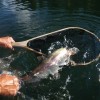
Trout Trump the Taliban
The rivers in northern Pakistan’s Khyber Pakhtunkhwa (KP) province were once thick with trout. Spanning hundreds of kilometres, these water bodies played host to the exotic fish, first introduced by the British in the early 1900s, which eventually became a staple in the diets and livelihoods of the province’s 20 million residents.
‘No Blue Skies Opportunities’ in South African Mining
A calamitous year in mining has left many wondering whether it should still have a part in South Africa’s future. Illegal strikes, including one that left 47 people dead near Marikana in the northwest of the country, soaring costs and depressed world commodity markets have left the industry in its worst crisis in years.
Spain’s Crisis Pits Fair Trade Against Empty Wallets
The Spanish public is well aware of the widespread exploitation of workers in the globalised garment industry. But low prices, shrinking buying power and the lure of brand names act as strong disincentives to responsible clothes shopping.
Energy, Economy Key in Major Obama Address
In a major annual address Tuesday night, President Barack Obama offered further details on a broad and ambitious range of policy priorities, taking advantage of perhaps his single most significant opportunity to guide the public conversation on his second-term agenda.
Brazilian President Stumbles on Energy
Brazilian President Dilma Rousseff, whose political career was fuelled by her stellar performance in the energy sector, is now faced with an ironic challenge: how to bring down the unusually high price of electricity predominantly generated by hydropower – the cheapest source – in this South American country of 196.6 million people.The Energy Is in the Nuclear Talk
Nuclear energy and defence deals will be high on the agenda when French President François Hollande makes a state visit to India this week, but few analysts expect any solid contracts to result from the two-day trip Thursday and Friday.
Israelis Ski on Thin Snow
Unbending winds howl in the mountain, seldom carrying echoes of the two-year-old civil war closing in on Damascus just 35 kilometres away. But Israelis revel in immaculate pleasure. Albeit an internationally-recognised Syrian territory, the Israeli-controlled high ground is de facto their one and only ski resort.
African Troops Arrive As Divisions Fracture Malian Army
Soldiers belonging to the African-led International Support Mission to Mali continue to stream into this West African nation, as several hundred troops have already been deployed to secure towns across the country.
African Smallholder Farmers Need to Become Virus Detectors
Unless African smallholder farmers, who comprise the majority of food growers on the continent, are given the tools and knowledge to cope with the increased occurrences of plant virus diseases, the livelihoods of millions will be at stake, according to Nteranya Sanginga, the director general of the International Institute of Tropical Agriculture.
Gaza Gags Civil Liberties
Gaza is becoming increasingly radicalised as Hamas continues its crackdown on civil liberties, press freedom and the rights of women. In the last few weeks a number of journalists have been arrested and accused of being involved in “suspicious activities”, several detainees shot dead by police during arrest attempts, and female students asked to abide by a strict Islamic dress code.OP-ED: Obama and Bahrain: How to Save Al-Khalifa Rule
Despite the start of a government-inspired dialogue with the opposition Sunday, the Bahraini government continues to jail dissidents, arrest demonstrators, and use a rigged judicial system to convict them.
U.S. Environment Agency Releases First Climate Adaptation Plan
For the first time, the U.S. Environmental Protection Agency (EPA) has publicly released a draft plan on how the department’s programmes will adapt to global warming, in a move that could lay additional groundwork for important new emissions rulemaking the agency may announce in coming months.
U.N.’s Water Agenda at Risk of Being Hijacked by Big Business
Amidst growing new threats of potential conflicts over fast-dwindling water resources in the world's arid regions, the United Nations will commemorate 2013 as the International Year of Water Cooperation (IYWC).U.S. Arms Fuel Asian Tension
After a year of intense diplomatic standoff and territorial brinkmanship among disputing states in the South and East China Seas, the U.S. military ‘pivot’ to the region appears to be in full swing - a move that could further aggravate an already combustible regional dynamic.
Christian or Muslim – ‘We are All Victims of Those Terrorists’
At the entrance to the Evangelical church in Mopti, central Mali, military soldiers stood on either side of the door as Pastor Luc Sagara greeted his parishioners for Sunday mass.Execution Sparks Unrest in Kashmir
“Give us his body; we want to give him a respectable burial…” this is the overwhelming demand across Kashmir following the hanging of Mohammad Afzal Guru who was convicted for his role in the attack on the Indian parliament on Dec. 13. 2001. Nine people died in the attack.
‘We Grow, They Bulldoze, We Re-Plant’
Tawfiq Mandil, 45, stands amongst hundreds of Palestinian farmers, activists, and international supporters in the Gaza Strip's eastern Zeitoun district, about half a kilometre from the border with Israel. They are renewing a call for the boycott of Israeli goods.Argentina Pins Hopes on Bumper Grain Harvest
Argentina has better prospects in 2013 after modest growth in 2012, thanks to an excellent grain harvest and the recovery of Brazil, its main market.
Saving a Shrinking Lake
Approaching the Lake Chad basin from Gulfe, a small locality 45 kilometres from Cameroon’s Far North Regional capital Maroua, the atmosphere of despair is palpable: dusty air, fierce and unrelenting winds, wilting plants and sand dunes suggest that this once lush area is undergoing a terrible change.« Previous Page — Next Page »


The Week with IPS

NEXT STOP - SDGs
Tracking global progress towards a sustainable world
