Languages
Saturday, November 28, 2026



News and Views from the Global South
Featured

Sudanese Refugees Dying of Thirst
Sudanese refugees have started dying as a camp in South Sudan ran out of water four days ago after a massive influx of people fled across the border to escape war and hunger.
Indian Ocean Rim Countries Battered by Disasters – Part 2
The heat wave in the Indian state of Orissa, which saw a 10-degree Celsius increase in summer temperatures last month, claimed 21 lives, according to government sources; unofficial estimates counted 87 deaths.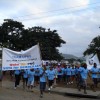
Waking Up to the Price of Corruption
Weeks ahead of a national election in Papua New Guinea, 3000 people gathered in the capital, Port Moresby, for the sixth annual Sir Anthony Siaguru Walk against Corruption organised by Transparency International, PNG, to peacefully protest about an issue that affects every aspect of citizens’ lives.
Malawi Businesses Lose Out after AU Summit Cancelled
Small and large businesses in Malawi are counting their losses following the cabinet’s decision not to host the African Union summit in July.
Crisis Sows Community Gardens in Spain
The economic crisis is fuelling the search for less individualistic ways of life in Spain, and a growing interest in urban agriculture has given rise to flourishing community gardens on vacant lots in cities and towns.Cambodian Opposition Plans to Wake Up
Cambodia’s fragmented opposition parties are promising to work together, rather than compete against each other for votes in the next election. All it took was another crushing victory at the polls by the country’s ruling party.CDs Become Weapon in Political Armoury
Kunasekaran Krishnan (43) is a member of the Socialist Party of Malaysia (PSM) who hopes his newly released CD of 10 “revolutionary songs” will help convince voters to back the Pakatan Rakyat (People’s Alliance) in the general election that is widely expected to be held this year.Communal Violence Threatens Democratic Change in Myanmar
The outbreak over the past week of communal violence between Buddhists and Muslims in Rakhine State seriously threatens the ongoing reform process in Myanmar, according to experts here.Private Interests Infiltrate G20 Summit
Business will push for the freeing up of trade in green goods and services, at the upcoming summit of heads of state of the Group of 20 (G20) industrialised and emerging countries in Mexico.Pakistanis Blame CIA for Fresh Polio Cases
Pakistan’s efforts to contain polio in areas bordering Afghanistan may have received a setback following the conviction of a doctor who allegedly ran a fake vaccine programme to locate Al-Qaeda chief Osama bin Laden.
Tension Around Possible Islamic State in Northern Mali
Tuareg and Islamist rebel groups which seized control of northern Mali in March are trying to find common ground for the joint administration of the territory. Residents of the region fear that individual and collective freedoms will not be respected if such an alliance sets up an Islamic state.
Health Warnings Loud and Clear on Cigarettes in Argentina
This month, Argentina will join the growing list of Latin American countries that compel tobacco companies to display health warnings about the dangers of smoking on cigarette packs, illustrated with graphic images.U.S.-Pakistan Talks on NATO Supply Lines Stopped
Six weeks of talks between Pakistan and the United States have been halted, a Defence Department official stated here on Monday.
Desert Opera Finds New Meanings
The imposing stronghold is almost transparent, barely noticeable, in the pitch-black desert. On top of the stands, with a thousand kilowatts at his finger’s tip, Avi Yona Bueno turns the night into lights, revealing sets, sites, and sounds. “I’m god,” smiles the lighting designer. “I’m god to my children.”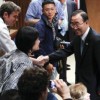
Rio+20: Transforming Political Platitudes into Economic Realities
When world leaders endorse the final plan of action, titled "The Future We Want, at the Rio+20 summit in Brazil next week, a lingering question may remain unanswered: how best can the United Nations transform political platitudes into economic realities?More Austerity Won’t Solve European Crisis, U.N. Says
The increasingly precarious financial situation in Europe remains the biggest threat to the world economy, warns a U.N. report released here.
Will Water Dry Up at Summit on Sustainable Development?
The headline in a New York newspaper last March captured the essence of a future potential threat to political stability the world over: "U.S. Report Sees Tensions Over Water."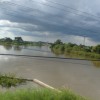
MEXICO: Yearly Floods the New Reality for Rural Women
Year after year, women in rural areas of the southeastern Mexican state of Tabasco have to get ready for floods that threaten their homes, crops and livestock.
Agriculture Key to Liberia’s Youth Unemployment Challenge
With his gold chain, baseball cap, and baggy denim shorts, Junior Toe wears the uniform of Liberia’s urban youth. Spend just a few minutes with the young man and it is evident that he possesses the street smarts to match the look.
Dam Threatens Turkey’s Past and Future
Hasankeyf, a small village in southeastern Turkey, has been under threat for 15 years. Home to approximately 3,000 people, the site is one of the oldest continuously inhabited human settlements, with an archaeological record going back at least 9,500 years.
Germany’s Energy Revolution Hits Potholes
When the German government decided last year to phase out nuclear energy by 2022, following the catastrophe at the Fukushima power plant in Japan, it was clear that the process would require extraordinary effort, not only in further developing alternative energy sources, especially renewables, but also in upgrading the country-wide electricity grid.« Previous Page — Next Page »


The Week with IPS

NEXT STOP - SDGs
Tracking global progress towards a sustainable world
