Languages
Wednesday, November 18, 2026



News and Views from the Global South
Gender

781 Million People Can’t Read this Story
If you are reading this article, consider yourself one of the lucky ones; lucky enough to have received an education, or to be secure in the knowledge that your child will receive one. Lucky enough to be literate in a world where – more often than not – the ability to read and write can mean the difference between a decent life and abject poverty.
In Bangladesh, Gender Equality Comes on the Airwaves
Judging by how often they make headlines, one might be tempted to believe that women in Bangladesh don’t play a major role in this country’s affairs.
Women Still Struggling to Gain Equal Foothold in Nepal
Kali Sunar, 25, a resident of the Dumpada village in the remote Humla District in Far-West Nepal, lives a life that mirrors millions of her contemporaries.
Israeli Forces Target Journalists in West Bank
It is becoming increasingly risky to cover clashes and protests between Israeli security forces and Palestinian protesters in the West Bank as the number of journalists injured, in what appears to be deliberate targeting by Israeli security forces, continues to rise.Threats to Afghan Women Rights Defenders Being Met with Blind Eye
Women human rights defenders in Afghanistan face mounting violence but are being abandoned by their own government – and the international community is doing far too little to ease their plight – despite the significant gains they have fought to achieve, says Amnesty International in a new report released Apr. 7.
Civil Society and Politics March for Negev Bedouin Recognition
There was a symbolic dimension to a recent four-day march from the periphery of Israel to the corridors of power in Jerusalem to seek recognition for Bedouin villages.Opinion: Challenging the Power of the One Percent
When you are faced with the task of moving an object but find it is too heavy to lift, what is your immediate and most natural response? You ask someone to help you lift it. And it makes all the difference.
Millions of Dollars for Climate Financing but Barely One Cent for Women
The statistics tell the story: in some parts of the world, four times as many women as men die during floods; in some instances women are 14 times more likely to die during natural disasters than men.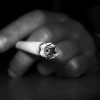
Curbing Tobacco Use – One Step Forward, Two Steps Back
The numbers are in, and there’s not much to celebrate: every year, about six million people die as a result of tobacco use, including 600,000 who succumb to the effects of second-hand smoke.
Lesbians Receiving Unequal Treatment from Cuban Health Services
In addition to other forms of discrimination, lesbian and bisexual women in Cuba face unequal treatment from public health services. Their specific sexual and reproductive health needs are ignored, and they are invisible in prevention and treatment campaigns for women.
There’s No Such Thing as Equality in India’s Labour Force
It calls itself the ‘world’s largest democracy’ but the 380 million working-aged women in India might disagree with that assessment.
Opinion: A Major Push Forward for Gender and Environment
Experts from around the world gathered in New York recently to launch work on the Global Gender Environment Outlook (GGEO), the first comprehensive, integrated and global assessment of gender issues in relation to the environment and sustainability.
Activists Protest Denial of Condoms to Africa’s High-Risk Groups
Tatenda Chivata, a 16-year old from Zimbabwe’s Mutoko rural district, was suspended from school for an entire three-month academic term after he was found with a used condom stashed in his schoolbag.
Opinion: Appointing a New U.N. Secretary-General
With Secretary-General Ban Ki-moon's term of office tapering off by the end of 2016, there is increasing chatter in the corridors of the United Nations on his successor.
Opinion: Education as a Cornerstone for Women’s Empowerment
Earlier this month, the Barack Obama administration announced a new initiative designed to improve girls’ education around the world. Dubbed “Let Girls Learn,” the programme builds on current progress made, such as ensuring girls are enrolled in primary school at the same rates as boys, and is looking to expand opportunities for girls to complete their education.
Acting Tough to Earn Respect as Policewomen in Argentina
When they joined the police, Marina Faustino and Silvia Miers were part of a small minority, and to make their way in a world of men they had to “act tough.” Now, thanks to a gender equality policy, there are more and more policewomen in Argentina, fighting sexism and prejudice as well as crime.
Global Citizenship Essential for Gender Equality: Ambassador Chowdhury
At a recent panel discussion on women’s leadership during the U.N. Commission on the Status of Women, Ambassador Anwarul Chowdhury was the lone male voice.
Opinion: Sharing the Vision of a Changed World
This year has many initiatives taking place in the realm of women’s leadership, but one platform and movement in particular is standing out, and people are noticing. We are the founders of IMPACT Leadership 21, leadership architects for inclusive, high growth economies.
Hold the Rich Accountable in New U.N. Development Goals, Say NGOs
When the World Economic Forum (WEF) met last January in Switzerland, attended mostly by the rich and the super-rich, the London-based charity Oxfam unveiled a report with an alarming statistic: if current trends continue, the world’s richest one percent would own more than 50 percent of the world’s wealth by 2016.
Salvadoran Maquila Plants Use Gang Members to Break Unions
Textile companies that make clothing for transnational brands in El Salvador are accused of forging alliances with gang members to make death threats against workers and break up their unions, according to employees who talked to IPS and to international organisations.
Four Fast Facts to Debunk Myths About Rural Women
We are lucky to live in a country that has long since abandoned the image of the damsel in distress. Even Disney princesses now save themselves and send unsuitable “saviours” packing. But despite the great strides being made in gender equality, we are still failing rural women, particularly women farmers.« Previous Page — Next Page »


Women make up half the world's population, but don't nearly share half of the world's wealth, well-being and opportunity. Two-thirds of the world poor are women, disproportionally exposing women to precarious living conditions, disease and unmitigated natural disasters. The media, meanwhile, remains a male-dominated sector in much of the world, contributing to women's voices lacking a crucial amplifier to put their concerns on political agendas and unleash the development potential of their ingenuity. Rather than then stereotypical victims of local and global forces, women are also organizer, innovators, conservators and community builders. These are some of their stories.

The Week with IPS

NEXT STOP - SDGs
Tracking global progress towards a sustainable world
Tracking global progress towards a sustainable world
