Languages
Sunday, October 4, 2026



News and Views from the Global South
Latin America & the Caribbean
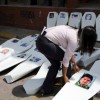
Journalism in Honduras Trapped in Violence
It was in the wee hours of the morning on October 19 when journalist Ricardo Matute, from Corporación Televicentro’s morning newscast, was out on the beat in San Pedro Sula, one of the most violent cities in Honduras.
The Cuban Revolution Has Lost Its Founder and Leader
Fidel Castro, who survived more than 600 assassination attempts and remained in power longer than any other leader in the history of Cuba, died Friday night at the age of 90.
Violence Against Black Women in Brazil on the Rise, Despite Better Laws
Four months in hospital and a number of operations saved the life of Maria da Penha Fernandes of Brazil, but the rifle shot left her paraplegic at the age of 37. When she returned home, her husband tried to electrocute her in the bathroom.
Coal Mine Threatens Ecological Paradise in Chile’s Patagonia Region
An open-pit coal mine in the southern island of Riesco, a paradise of biological diversity in Chile’s southern Patagonia wilderness region, is a reflection of the weakness of the country’s environmental laws, which are criticised by local residents, activists, scientists and lawmakers.
Trump’s Offensive Against Undocumented Migrants Will Fuel Migration Crisis
“Donald Trump will not stop me from getting to the U.S.,” said Juan, a 35-year-old migrant from Nicaragua, referring to the Republican president-elect who will govern that country as of Jan. 20.
A Cuban Economy Facing Grim Forecasts Awaits Impact of Trump
Cuba’s economic difficulties will be aggravated by the uncertainty regarding how U.S. president-elect Donald Trump will deal with the thaw inherited from President Barack Obama.
Opposition to Oil Pipeline in U.S. Serves as Example for Indigenous Struggles in Latin America
Canadian activist Clayton Thomas-Muller crossed the border between his country and the United States to join the Native American movement against the construction of an oil pipeline, which has become a model to follow in struggles by indigenous people against megaprojects, that share many common elements.
Latin America to Take the Temperature of Paris Agreement at Climate Summit
With the ratification and entry into effect of the Paris Agreement still fresh, the countries of Latin America are heading to the climate summit in Marrakesh in search of clear rules that will enable them to decarbonise their economies to help mitigate global warming.
Four Things You Should Know about the Other Election This Week
Next week, millions of people around the world will be glued to their TV screens and social media feeds, watching as the USA decides who will lead the most powerful country on earth. Around 3,000 kilometers away, in a much smaller nation in the middle of Central America, another election will take place just a couple of days earlier. Although Nicaragua’s presidential election lacks the fame of the Clinton-Trump race, it is every bit as controversial.
Nicaragua’s Elections Marked by Apathy and Mistrust
In the midst of unusual political tension and apathy, Nicaraguans will go to the polls on Sunday Nov. 6 to vote in elections marked by the absence of the main opposition force and international election observers.
Cities Address a Key Challenge: Infrastructure Needs
“We as mayors have to govern midsize cities as if they were capital cities,” said Héctor Mantilla, city councilor of Floridablanca, the third-largest city in the northern Colombian department of Santander.
UN Cuba Embargo Vote: United States Abstains for First Time
After 25 years of voting against a United Nations resolution condemning the United States (U.S.) embargo on Cuba, the U.S. Wednesday chose for the first time to abstain from voting. An overwhelming 191 UN member states voted for the resolution, with only Israel joining the United States in abstention.
Cuba’s Fish Farming Industry Seeks to Double Output by 2030
Protected from the sun by broad-brimmed hats and long- sleeved shirts, workers at the La Juventud fish farm throw fish feed into the tanks for the tilapias, a fish that is scarce and in high demand in the Cuban markets.
Limitless Cigars and Rum for U.S. Tourists in Cuba
After more than a half-century of a commercial, financial and economic embargo, U.S.-Cuban trade relations took a significant step forward this month.
Learning from Past Mistakes: Rebuilding Haiti After Hurricane Matthew
As Haiti reels from another disaster once again, many are questioning the humanitarian system and looking for long-term solutions with Haitians at the heart of response.
Freedom of the Press Faces Judicial Harassment in Brazil
The same justice that exists to ensure rights can become a tool to violate them and restrict freedom of the press, as seen with the recent wave of lawsuits against journalists and the media in Brazil.
U.N. Urban Summit Gives Rise to a Mixture of Optimism and Criticism
Experts and activists greeted with a mixture of hope and skepticism the Third United Nations Conference on Housing and Sustainable Urban Development (Habitat III), which opened Monday Oct. 17 in the capital of Ecuador, and which seeks to produce a new urban agenda for cities and their inhabitants.
Cultivating a Different Future for Rural Women in Argentina
Her seven children have grown up, but she now takes care of a young grandson while working in her organic vegetable garden in El Pato, south of the city of Buenos Aires. Olga Campos wants for them what she wasn’t able to achieve: an education to forge a different future.
Climate Change Adaptation – Key to Reaching Zero Hunger in Latin America
Climate change is leading to major modifications in agricultural production in Latin America and the Caribbean, and if mitigation and adaptation measures of the productive system are not urgently adopted, threats to food security will be exacerbated.
Few Families Overcome Forced Displacement by Hydropower Plants in Brazil
The construction of mega-hydropower plants in Brazil has been a tragedy for thousands of families that have been displaced, and a nightmare for the companies that have to relocate them as required by local law.
Gang Violence Drives Internal Displacement in El Salvador
A basketball court in this small town in western El Salvador was turned overnight into a shelter for some two dozen families forced to flee their homes after a recent escalation of gang violence.« Previous Page — Next Page » *#*


The Week with IPS

NEXT STOP - SDGs
Tracking global progress towards a sustainable world
Tracking global progress towards a sustainable world

