Languages
Sunday, November 8, 2026



News and Views from the Global South
Projects
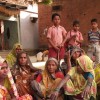
Lack of Accountability Fuels Gender-Based Violence in India
On a bright March morning, a 17-year old tribal girl woke as usual, and went to catch fish in the village river in the Chirang district of India’s northeastern Assam state.
Outgunned by Rich Polluters, Africa to Bring United Front to Climate Talks
As climate change interest groups raise their voices across Africa to call for action at the COP20 climate meeting in December and the crucial COP21 in Paris in 2015, many worry that the continent may never have fair representation at the talks.
Blistering Drought Leaves the Poorest High and Dry
The last time there was mud on his village roads was about a year ago, says Murugesu Mohanabavan, a farmer from the village of Karachchi, situated about 300 km north of Sri Lanka’s capital, Colombo.Zero Nuclear Weapons: A Never-Ending Journey Ahead
When the United Nations commemorated its first ever "international day for the total elimination of nuclear weapons," the lingering question in the minds of most anti-nuclear activists was: are we anywhere closer to abolishing the deadly weapons or are we moving further and further away from their complete destruction?
Championing Ocean Conservation Or Paying Lip Service to the Seas?
President Barack Obama this week extended the no-fishing areas around three remote pacific islands, eliciting praise from some, and disappointment from those who fear the move did not go far enough towards helping depleted species of fish recover.
Cuba’s Sugar Industry to Use Bagasse for Bioenergy
Cuba’s sugar industry hopes to become the main source of clean energy in the country as part of a programme to develop renewable sources aimed at reducing dependence on imported fossil fuels and protecting the environment.
Living on a Ballpoint Pen in Kabul
Seventy-year-old Mohamad Arif still earns a living in the streets of Kabul. He prepares all kind of documents for those who cannot read or write – in other words, the majority of people in this country of 30.5 million people.
Côte d’Ivoire Chokes on its Plastic Shopping Bags
In the middle of downtown Abidjan, Côte d’Ivoire, the aisles of a thriving supermarket are full of customers. But as they line up to pay for their items, there is one line to a cashier’s till that remains empty. It’s the “green cash register”, where the cashier does not provide plastic bags as this supermarket tries to implement a green policy.
Conflict Keeps Mothers From Healthcare Services
Twenty-five-year-old Khemwanti Pradhan is a ‘Mitanin’ – a trained and accredited community health worker – based in the Nagarbeda village of the Bastar region in the central Indian state of Chhattisgarh.
Comprehensive Sex Education: A Pending Task in Latin America
In most Latin American countries schools now provide sex education, but with a focus that is generally restricted to the prevention of sexually transmitted diseases – an approach that has not brought about significant modifications in the behaviour of adolescents, especially among the poor.
The Changing Face of Caribbean Migration
Ruth Osman is attractive and well-groomed in tailored slacks and a patterned blouse, topped by a soft jacket worn open. Her demeanour and polished accent belie the stereotypical view that most Caribbean nationals have of Guyanese migrants.
Where Women Don’t Work
Saleema Bibi graduated from medical school 15 years ago – but to this day, the 40-year-old resident of Peshawar, capital of Pakistan’s northern Khyber Pakhtunkhwa (KP) province, has never been able to practice as a professional.
Africa Pays the Price of Low Harvests Thanks to Costly Fertilisers
Eherculano Thomas Rice, is pleased to have harvested 40 bags of white maize from his eight-hectare field in Chimoio, in Mozambique's Manica Province. But he knows that his productivity and yield would be higher if he had been able to afford to buy fertiliser to add to his crop.
The Time Has Come for Agroecology
"It is time for a new agricultural model that ensures that enough quality food is produced where it is most needed, that preserves nature and that delivers ecosystem services of local and global relevance" – in a word, it is time for agroecology.
OPINION: The Fight Against the Long-Term Effects of Child Hunger Reaches Fever Pitch
Eric Turyasingura chases after a ball made from plastic bags outside his mud-brick home in the mountains of southern Uganda. Yelling in his tribal tongue, Nkore, “Arsenal with the ball! Arsenal with the ball!” he jostles with his younger brothers for possession.
Mission Midwife: The Case for Trained Birth Attendants in Senegal
Diouma Tine is a 50-year-old vegetable seller and a mother of six boys. In her native Senegal, she tells IPS, motherhood isn’t a choice. “If you’re married, then you must have children. If you don’t, then you don’t get to stay in your husband’s house, and no one will respect you.”
Water: A Defining Issue for Post-2015
A gift of nature, or a valuable commodity? A human right, or a luxury for the privileged few? Will the agricultural sector or industrial sector be the main consumer of this precious resource? Whatever the answers to these and many more questions, one thing is clear: that water will be one of the defining issues of the coming decade.
On Sri Lanka’s Tea Estates, Maternal Health Leaves a Lot to Be Desired
A mud path winds its up way uphill, offering views on either side of row after row of dense bushes and eventually giving way to a cluster of humble homes, surrounded by ragged, playful children.
Saving the Lives of Cameroonian Mothers and their Babies with an SMS
“You can’t measure the joy in my heart,” Marceline Duba, from Lagdo in Cameroon’s Far North Region, tells IPS as she holds her grandson in her arms.
Experts Warn of Dire Consequences as Lake Victoria’s Water Levels Drop Further
Over the years, Cassius Ntege, a fisherman from Kasenyi landing site on the Ugandan side of Lake Victoria, has observed the waters of the lake receding. And as one of the many who depend on the lake for their livelihoods, he has had to endure the disastrous consequences of the depleting lake.
ISIS Complicates Iran’s Nuclear Focus at UNGA
Iran’s foreign minister arrived in New York last week with his sights set on a final deal on Iran’s nuclear programme. But a pressing regional conflict is hanging heavily over the already strained negotiations as Iran and world powers resume talks on the sidelines of this week’s U.N. General Assembly.« Previous Page — Next Page »





The Week with IPS

NEXT STOP - SDGs
Tracking global progress towards a sustainable world
Tracking global progress towards a sustainable world
