Languages
Monday, November 9, 2026



News and Views from the Global South
Projects

Geneva Talks Open amid High Hopes in Iran
Iran offered a new proposal in much-anticipated talks over its nuclear programme here Tuesday in a meeting with the P5+1 negotiating team comprising the United States, Britain, France, Russia and China, plus Germany.
The Hurricanes Didn’t Bring the Hunger
A month after Hurricanes Ingrid and Manuel caused the worst destruction from a natural catastrophe in Mexico in 30 years, another disaster has come to light: hunger in communities that are supposedly served by a rural food supply programme.
Sicilian Town Opposes U.S. Transmitters
Niscemi, with its 30,000 local residents and its white houses, is a typical southern Sicilian town. But it stands out not only for its ancient cork forest, but also for the Naval Radio Transmitter Facility located within the protected forest itself.
Not Fukushima Again
Two and a half years ago, Ayako Oga, now 30, found herself helpless as an earthquake and the tsunami it triggered hit Japan and crippled four reactors at the Fukushima Daiichi nuclear plant. She and her husband were forced to abandon their village Ookuma Machi, barely five kilometres away.
Climate Change a Mixed Blessing for Coconut Farmers
Climbing up the coconut industry has been anything but easy for Rosamund Benn, who has dedicated the past 32 years of her life working on a 50-acre coconut farm in The Pomeroon, a farming region of Guyana.BOOKS: Containing Iran Is the “Least Bad Policy” for U.S.
The day that the much-heralded new round of nuclear talks between Iran and the P5+1 world powers opens might seem like the wrong day to pick up Unthinkable, Kenneth Pollack’s new exploration of what to do if talks fail.
Iran Talks to Resume Amid Guarded Optimism
Almost exactly four months after the election of Iran’s new president, Hassan Rouhani, talks over the Islamic Republic’s controversial nuclear programme will resume here on Tuesday.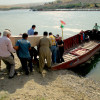
Kurds Build Bridges At Last
After fleeing the war three months ago, Gulnaz is headed back for Syria to bury her brother within the 24 hours Islam stipulates. But it is far from easy to take the coffin across the Syrian-Iraqi border.
Israeli Claim of Iranian ICBM Exploits Biased U.S. Intel
In an effort to provoke any possible opposition in U.S. political circles to a nuclear deal with Iran, Israeli Prime Minister Benjamin Netanyahu has returned to exploiting an old claim that Iran is building intercontinental ballistic missiles that could hit the United States.
Argentina Blindly Exploiting Groundwater, Scientists Warn
Half of Argentina is supplied with water by invisible underground aquifers, which are crucial in the country’s arid and semi-arid regions, experts say. But Tierramérica discovered that nobody – not even the government – has any accurate scientific data on these groundwater reserves.

U.S. Suspends More Military Aid to Egypt, Arousing Scepticism
The administration of President Barack Obama announced Wednesday it was freezing hundreds of millions of dollars in aid to the Egyptian military pending "credible progress" toward a return to democratic rule.
OP-ED: Why Keeping Girls in School Can Help South Sudan
Mary K. loved to study and wanted to be an accountant. However, when she was 16 and in class six (grade eight), her father forced her to leave school to marry a 50-year-old man who paid him 60 cows.
The Coming Plague
A climate plague affecting every living thing will likely start in 2020 in southern Indonesia, scientists warned Wednesday in the journal Nature. A few years later the plague will have spread throughout the world's tropical regions.
Improved Seed Improves Ethiopian Farmers’ Lives
 Ethiopian farmers are learning that seed security is the basis of food security.

New Laws May Fail to Protect Children in Sri Lanka
Stricter laws could curb the rising trend of child abuse in Sri Lanka, experts say. However, recommendations like witness protection, special courts and procedures to hear abuse cases and more legal assistance to victims are unlikely to be included in a new draft Child Protection Policy that is to be presented to parliament before the end of the year.
Chile’s Mining Industry Turns to Sunlight to Ease Energy Shortage
The mining industry in the north of Chile, the world’s leading producer of copper, is trying to partially satisfy its insatiable appetite for energy with a renewable, ever-available source: the sun.
Neoconservatives Despair Over U.S.-Iran Diplomacy
A week that began with a blistering denunciation by Israeli Prime Minister Binyamin Netanyahu of Iranian duplicity ended with diminished prospects for Israel to take direct action to address Iran's nuclear capabilities.
Pacific Pact – a Minefield for Health Care
The Trans Pacific Partnership Agreement (TPP), the negotiation of which is set to conclude this year, could drive research into new drugs and improve access to medicines. Except – it won’t.
Small Island Economies Battered by Erratic Weather
Malcolm Wallace always knew on which side his bread would be buttered.
Seeding Ethiopia’s Future Food Security
Datta Dudettu and his seven children know what is like to go hungry. They live in Woliyta, a drought-prone area in southern Ethiopia that has experienced chronic food shortages. But hopefully, thanks to the successful use of hybrid seed, that is now firmly in the past.
Mayors Leading an Urban Revolution
With presidents and prime ministers failing to take meaningful action to avert a planetary-scale climate crisis, the mayors of cities and towns are increasingly stepping up to enact changes at the local level.« Previous Page — Next Page »





The Week with IPS

NEXT STOP - SDGs
Tracking global progress towards a sustainable world
Tracking global progress towards a sustainable world
