Languages
Saturday, October 24, 2026



News and Views from the Global South
Reframing Rio

Q&A: Battle for Human Rights in Rio Is “Far From Over”
Human rights should be explicitly recognised as an indispensable ingredient of sustainable development at the Rio+20 summit in Brazil, says Navanethem Pillay, United Nations High Commissioner for Human Rights.
Indian Ocean Rim Countries Battered by Disasters – Part 2
The heat wave in the Indian state of Orissa, which saw a 10-degree Celsius increase in summer temperatures last month, claimed 21 lives, according to government sources; unofficial estimates counted 87 deaths.
Q&A: Volunteer Spirit Alive in Rio
When the Rio+20 summit gets underway in Brazil next week, the estimated 50,000 to 60,000 participants will not only include world leaders, government delegates and U.N. staffers but also a staggering array of activists from the far corners of the world.
Q&A: Women Must Be at the Forefront of Rio+20, and Beyond
Unlocking women's energies and allowing them to become drivers of change could fuel the motor of sustainable development.
Setting Goals to Protect Half the Planet
The high seas, crucial regions of the world's oceans that are beyond national jurisdiction, account for 45 percent of the planet, but are today under severe threat from overfishing and pollution.
Indigenous Message to Rio+20: Leave Everything Beneath Mother Earth
Indigenous leaders from all over South America are making their way by foot, canoe and eventually on buses to be part of the Kari-Oca Caravan to Rio de Janeiro, to talk to world leaders at the United Nations Conference on Sustainable Development, Rio+20.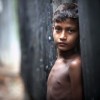
Defining Green Economy May Stymie Rio Summit
The thematic battle at the U.N. Conference on Sustainable Development (UNCSD) in Brazil next week will be primarily around the new concept of a "green economy" - and how best to define it.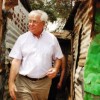
Q&A: “We All Have to Start Being City Changers”
Building the cities of the future requires not only smarter planning but a profound shift toward greater equity and social justice, says Joan Clos, executive director of the U.N. Human Settlements Programme, or UN-HABITAT.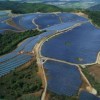
Biggest Economies Still Lagging on Renewables
On the eve of the Rio+20 Summit in Brazil, the U.S.-based Natural Resources Defense Council (NRDC) released a report Monday ranking the world's biggest countries on their use of renewable energy.
Rio+20: Transforming Political Platitudes into Economic Realities
When world leaders endorse the final plan of action, titled "The Future We Want, at the Rio+20 summit in Brazil next week, a lingering question may remain unanswered: how best can the United Nations transform political platitudes into economic realities?
Q&A: “Today’s Food System Is Failing Small Farmers”
With heads of state from more than 120 nations and tens of thousands of civil society and international development experts gathering for the U.N. Summit on Sustainable Development next week, it is accepted wisdom that rethinking agriculture is one of most critical issues facing this and future generations.
Will Water Dry Up at Summit on Sustainable Development?
The headline in a New York newspaper last March captured the essence of a future potential threat to political stability the world over: "U.S. Report Sees Tensions Over Water."
Agriculture Key to Liberia’s Youth Unemployment Challenge
With his gold chain, baseball cap, and baggy denim shorts, Junior Toe wears the uniform of Liberia’s urban youth. Spend just a few minutes with the young man and it is evident that he possesses the street smarts to match the look.
How Would You Measure Success at the Rio Summit?
When the heavily hyped three-day U.N. Conference on Sustainable Development (UNCSD) comes to a close in Rio de Janeiro Jun. 22, what would be the yardstick to measure its successes and failures?
Calls for an African Green Revolution, Only Smarter
To deal with looming food crises in the coming decades, Africa needs a Green Revolution on par with what took place in Asia during the 1960s and 1970s, according to experts in Washington.
Ahead of Rio+20, “The Economy is Already Turning Green”
While governments make a last desperate attempt to agree on a plan of action for next week's Rio+20 summit on sustainable development – including plans on the transition to a green economy and a set of sustainable development goals – the real economy is already turning green, according to Italy’s minister of environment, Corrado Clini.
RIO+20: A Stalemated U.N. in Do-or-Die Session on Action Plan
After weeklong negotiations, a meeting of the Preparatory Committee (PrepCom) to finalise a plan of action titled "The Future We Want" for next week's Rio+20 summit has failed to reach agreement - and deferred a decision to a final three-day session in Brazil.
24 Policies to End the Earth Emergency
Ecologically ignorant policies are largely responsible for the interlinked crises that are unraveling the planet's life support system.
Expo 2012 Shadows Rio+20 on Sustainable Oceans
When the U.N. Conference on Sustainable Development (UNCSD) takes place in Brazil next week, it will be closely shadowed by another event thousands of kilometres away in the South Korean coastal town of Yeosu: Expo 2012.
Samoan Breadfruit Makes a Splash in the Caribbean
Can a single species of tree significantly reduce hunger, unemployment and deforestation in the tropics? Researchers and scientists behind a surge in breadfruit activity think so.
RIO+20: Earth Summit Negotiated the Size of the Zero
Amidst much political fanfare, the 1992 Earth Summit in Rio de Janeiro concluded with the adoption of the Rio Declaration on Environment and Development and the landmark Agenda 21 blueprint for a sustainable future in the 21st century.« Previous Page — Next Page »





The Rio Plus 20 United Nations conference on sustainable development in June 2012 raised hopes over ushering in an new development paradigm through scaled-up international commitment to equitable, climate-conscious growth. Its outcome was less sweeping, leaving the development, NGO and private sector to search for alternatives to address current and impeding crises caused by resource depletion, pollution and climate change, exacerbating endemic global inequality. This special section of our site covers the full spectrum of the Earth Summit, from the lead up to the height of the conference, while continuing to track post-Rio implementation and emerging initiatives for sustainable development.

Donors & Partners


International Institute for Environment and Development

This content has been produced with the financial assistance of the European Union. The content is the sole responsibility of IPS, and can under no circumstances be regarded as reflecting the position of the European Union.

Connect for Climate

Alliance of Communicators for Sustainable Development

This website is funded through the support of the International Fund for Agricultural Development (IFAD).
