Languages
Friday, November 20, 2026



News and Views from the Global South
Regional Categories

Accelerating Post-Pandemic SDG 6 Achievements on Water & Sanitation
Global progress has been staggeringly inadequate against Sustainable Development Goal 6, “clean water and sanitation for all.” According to the latest SDGs progress assessment, 2 billion people still lack safely managed drinking water, 3.6 billion lack sanitation services, and 3 billion lack basic hygiene services.
Government Indifference Deprives the Trafficked of Compensation
Fourteen-year-old Priti Pyne was returning from school in Basra village in South 24 Parganas, West Bengal, when she and a friend came across a cold-drink seller selling an attractive-looking drink. The moment the girls sipped it, however, they felt dizzy. When they woke up, it was on a Delhi-bound train at Sealdah station in Kolkata. With the help of other passengers, the girls managed to get off the train.
Solar Energy, the Solution for Remote Communities in Argentina
When asked about the impact of incorporating solar energy at the school he runs in Atraico, a remote rural area in the Patagonian steppe in southern Argentina, Claudio Amaya Gatica is unequivocal: "Life has changed, not only for the school but for the whole community.”
Time is Running Out for Decisions on Debt Relief as Countries Face Escalating Development Crisis
Developing low- and middle-income economies are taking hard hits from global economic developments outside their control. Monetary tightening in advanced economies coupled with increasing fears of a global recession have weakened currencies, sent interest rates soaring, and investors fleeing.
Farmers in Laos Imagine Improved Livelihoods Thanks to New Cross-border Links
Mountainous terrain in northern Laos has until now restricted chances for farmers and producers in much of the nation to export their goods, limiting them primarily to subsistence farming and also curbing development, education and poverty reduction in their communities.
Are Climate Summits a Waste of Time?
Next month, the latest annual United Nations climate extravaganza, COP27, will take place in Sharm el-Sheikh, Egypt. Last year it was in Glasgow. Next year it will be held in (drum roll please) … Dubai!
With Planning Aging Population Could Result in a Silver Dividend
An aging population needn’t be a burden, experts told Parliamentarians at a conference co-hosted by UNFPA Asia Pacific Regional Office and the Asian Population and Development Association (APDA).
Gabon’s Environment Minister Reflects on Conservation Successes, Future Challenges
Over the past few years, Gabon has been successful in its forest conservation efforts. The country has also been able to work hard to achieve the goal of limiting the rise in global temperatures to the 1.5-degree target. Minister of Water, Forests, the Sea, and Environment, Lee White, talks to IPS Correspondent Francis Kokutse:
Stop Worshiping Central Banks
Preoccupied with enhancing their own ‘credibility’ and reputations, central banks (CBs) are again driving the world economy into recession, financial turmoil and debt crises.
The US-Saudi Alliance Will Stand the Test of Time
The recent conflict between the United States and Saudi Arabia over Riyadh’s decision to cut its oil production by 2 million barrels a day should be addressed in the context of their long and extensive relationship.
Bangladesh Coastal People Turn to Digital Devices to Succeed against the Odds
A barefoot young man in rolled-up jeans clutches a laptop as he slogs through a narrow muddy aisle between rice fields on a drizzling late September afternoon. He’s rushing to help a farm couple who are facing trouble with their ducks in a coastal village in southern Bangladesh.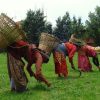
Rural Women Work the Hardest, Produce the Most, Eat the Least
Make no mistake. Violence against women has been perpetuated, specially when it comes to those who have already been deprived of their basic human rights, as it is the case of rural women in over two-thirds of the world.
Poverty Haunts Resettled Farmers in Zimbabwe
Edious Murewa has for years boasted of owning a 10-hectare piece of land, but now the 52-year-old is full of regrets. He faces poverty years after he invaded part of a farm once owned by a white commercial farmer.
Local Solutions Boost Sustainable Micro-Mobility in Cuba
The incorporation of small electric vehicles for public transport, together with initiatives that encourage the use of bicycles, represent opportunities and challenges for Cuba to sustainably and inclusively combat the chronic problems in urban mobility.
Say “No” to Foreign Intervention in Haiti to Kill our People: We Stand Ready for Peaceful Transition of Leadership
Talks of an inevitable U.S. military intervention in Haiti are brewing within diplomatic circles. Without any constitutional or legal authority, our Haitian de facto government gave the green light for special forces to be sent to Haiti to combat our poor people-forgotten, jobless, left with no other choice for survival but the gang violence and insurrection ravaging the country.
Farmers in Bhutan Turn To Asparagus and Strawberries To Boost Incomes
Zam, 57, sits at her kitchen table looking out the window at her orchard of four dozen apple trees. In the past eight years she has sold only two crates (100 kilogrammes) of the fruit because of poor harvests. She turned her attention to vegetables instead but the production was low because of a water shortage.
How to Stop the ‘Hunger Pandemic’ Part 2: How to Reduce Food Loss
 A group of middle school students living in Asia filmed this video on their campaign to reduce food waste. They learned many lessons: Only take as much food as you can eat; don’t waste, eat ugly fruit and compost. In this production, they spoke to experts about how to ensure that everybody has something nutritious to eat.

World Food Day 2022 Call to Action as 828M People Go Hungry
In this year alone, the global impact of compounding crises demonstrates, more than ever, why food scarcity must be addressed internationally and how there must be a shift in the food and agricultural systems.
Persons with Disabilities Integral Players in Determining Innovative Solutions to Fully Inclusive Societies
Ten years ago, the Asia-Pacific region came together and designed the world’s first set of disability-specific development goals: the Incheon Strategy to “Make the Right Real” for Persons with Disabilities. This week, we meet again to assess how the governments have delivered on their commitments, to secure those gains and develop the innovative solutions needed to achieve fully inclusive societies.
Myanmar’s Crisis Since the Coup– in a Nutshell
The update on September 26, 2022, of the human rights situation in Myanmar to the UN Human Rights Council says it all: “The people of Myanmar have been caught in a rapid downward spiral, with growing suffering, fear, and insecurity. Urgent action is needed to reverse this catastrophic situation and to restore peace, democracy, and sustainable development”.
Ukraine Rises from Near Zero to Major Recipient of US Arms
The Russian invasion of Ukraine in February 2022 has resulted in a never-ending flow of arms to the battle-scarred country— elevating the besieged nation to the ranks of one of the major recipients of US weapons and American security assistance.« Previous Page — Next Page »


The Week with IPS

NEXT STOP - SDGs
Tracking global progress towards a sustainable world
Tracking global progress towards a sustainable world
