Languages
Monday, November 16, 2026



News and Views from the Global South
Africa
KENYA: Legal Lacuna While Biotechnology Is Sneaked in
Farming with genetically modified organisms (GMOs) is becoming more widespread in Kenya due the promotion of biotechnology through clever schemes, exacerbated by the lack of a legal framework for the commercialisation of these controversial products.
SOUTHERN AFRICA: Afeared of Its Own Tribunal
The Southern African Development Community (SADC) faces several awkward problems at the Extraordinary Summit of Heads of State scheduled for May 20-21.
SOUTH AFRICA : Women’s Issues Missing from Election Manifestos
Come rain or shine, single mother of five, Sylvia Mathebula,* can be found selling fruit and cigarettes at the roadside because it is the only way her family can survive. "Since the government is not helping us with jobs, rather than work as a maid for a white person I decided to start this little business by myself," she says lamenting the lack of opportunities for unskilled women.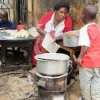
Uganda Stoves Saving Fuel and Forests
Carbon finance is putting new and efficient charcoal stoves into hundreds of thousands of kitchens in Uganda – reducing charcoal use and protecting forests as well as saving money for poor households.SIERRA LEONE: Promise of More Space for Women in Decision-making
In Sierra Leone’s highly patriarchal society, where institutionalised gender inequalities are exacerbated by discriminatory customs, one group is singing its way towards changing this.Uganda Police and Opposition Supporters Clash
Up to five people were killed when Ugandan police clashed with opposition supporters who attacked cars carrying African leaders at the inauguration of President Yoweri Museveni.
NAMIBIA: Feature Film Explores Realities of Safer Sex
A new film explores the real complexities of relationships for young people in Namibia, and the effects of gender inequality and culture on the choices people make about their sexual lives.BENIN: Skills Upgrade for Midwives Saves Lives
Training of midwives in the active management of the third stage of labour targets one of the most common causes of maternal deaths: bleeding after delivery.School Lunches Make For Happy Pupils in Congo
It's noon at Jean-Félix Tchicaya Primary in Pointe Noire, the economic capital of Congo. Students are settling into their chairs, but not to resume their lessons. They are waiting eagerly for the hot meal that's served in the classroom each day, their plates already laid out on their desks.
SOUTH AFRICA: Do More Women Politicians Mean Better Politics?
The Democratic Alliance (DA) election posters, which feature party leader Helen Zille, Cape Town mayoral candidate Patricia de Lille and party spokeswoman Lindiwe Mazibuko, do not necessarily mean that a vote for the party is a vote for women, analysts say.Malawi Lays Out Its Agenda at U.N. Development Conference
Escalating fuel prices, climate change and the impact of the global financial crisis are the challenges currently compromising development in Malawi. The Southern African country wants to see a bold plan of action addressing these problems agreed upon at the Fourth U.N. Conference on Least Developed Countries (LDC-IV) currently taking place in Istanbul, Turkey.NIGER: Caring for the River, Reaping the Benefits
In anticipation of growing sorghum during the coming rainy season, Hamadou Abdou and his son are busy preparing the soil on the family's farm in Bougoum, a village in the west of Niger.
DR CONGO: Sowing the Seeds of Food Security in Bandundu
Subsistence farmers in the Democratic Republic of Congo's southwestern Bandundu Province are seeing their harvests double, thanks to an ambitious programme of support by the government.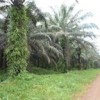
AFRICA: Development Agencies Support Harmful Oil Palm Production
Increasing industrial production of oil palm in sub-Saharan African countries, carried out by foreign corporations, is destroying the livelihoods of thousands of Africans and the biodiversity of ecosystems. Despite this, industrialised countries’ governments and development agencies continue to promote such production.
AFRICA: More Skilled Attendants Needed to Reduce Maternal Mortality
Sub-Saharan African countries have claimed nine of the ten bottom places in a ranking of maternal health around the world. "The Mothers' Index", a new survey of motherhood by Save the Children, analyses health, education and economic conditions for women and children in 164 countries.
AFRICA: Investment Growth Benefiting Only Some Poor States
While foreign direct investment in least developed countries (LDCs) in Africa has risen sharply over the past decade, most of it went to resource-rich economies and had little impact on employment creation.
DEVELOPMENT-ZAMBIA: ‘Real Changes Needed in Policy and Implementation’
Zambia has enjoyed economic growth of around six percent per year over the past decade, says Patrick Mucheleka, but the government is failing to translate this into social and economic development for the majority of citizens. The upcoming conference on least developed countries in Turkey offers an opportunity to recalibrate the country's approach to development.
AFRICA: Childhood Blindness – Catch Them Young
Every minute, somewhere in the world, a child goes blind according to the World Health Organization. Three in five poor children who go blind are likely to die within two years of losing their sight - yet half of cases of childhood blindness are avoidable.AFRICA: Coalition Against the High Cost of Living
In Burkina Faso, Niger, Kenya, Uganda: governments are worried by soaring prices - and by newly confident and enraged civil society. Governments are being challenged to take decisive action, despite lacking the tools to address rising global oil prices. Their responses could have important consequences for their legitimacy and survival.
SIERRA LEONE: Growing Pains for Local Councils
He was all over the place during the 2008 local council election campaign, but no one's seen the councillor since he won his seat, says Freetown journalist Ismael Bakarr. "He just disappeared."KENYA: Frustration Over Limits of ICC Charges
A decision to exclude crimes committed in the western city of Kisumu and the Nairobi slum of Kibera from a case against alleged organisers of violence following Kenya’s 2007 election could undermine the International Criminal Court’s effort to combat impunity in the East African nation, civil society groups have warned.« Previous Page — Next Page »


The Week with IPS

NEXT STOP - SDGs
Tracking global progress towards a sustainable world
Tracking global progress towards a sustainable world
