Languages
Sunday, November 22, 2026



News and Views from the Global South
Latin America & the Caribbean

Guatemala Halts Widely Praised Maya Biosphere Reserve Initiative
The ambitious Cuatro Balam project for the management and conservation of the Maya Biosphere Reserve in the northern department of Petén has been put on hold after the change of government in Guatemala, say environmental and other civil society organisations.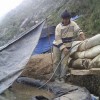
Runaway Gold Prices Spark Major Headaches for Guyana
Fabian George drank and generally used water from jungle rivers near his mountainside home for decades until world market prices for gold began climbing in recent years.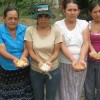
Rural Women in Peru Key to Adaptation of Seeds to Climate Change
For ages, rural women in the Peruvian highlands have been selecting and storing seeds, ensuring their preservation. But the authorities have failed to tap into this storehouse of knowledge and experience, despite the contributions it could make to the design of effective policies for adaptation to climate change, which poses a growing threat to the women’s livelihoods.ARGENTINA How to Sustain Highest Pension Coverage in Region
The Argentine pension system, renationalised in 2008, now covers more than 90 percent of people of retirement age, the highest coverage in Latin America. But analysts are concerned about its sustainability.
French Journalist to Be Released by Colombian Rebels
If all goes well, French journalist Romeo Langlois will return home on Wednesday May 30, after spending just over a month in the hands of the Revolutionary Armed Forces of Colombia (FARC).HIV-Positive Women in Argentina Mainly Infected by Stable Partners
The immense majority of women diagnosed with HIV in Argentina in the last two years were infected through unprotected sex with their stable partners, a new report says.Colombia and Venezuela – Joining Forces
When 12 Colombian soldiers were killed by FARC insurgents a stone's throw away from the northern border with Venezuela, the consequences included military cooperation that reinforces the political, diplomatic and trade-related links that have developed over the past two years between Colombian President Juan Manuel Santos and Venezuelan President Hugo Chávez.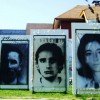
Victims of Forced Disappearance Eligible to Vote in Chile
The families of victims of Chile’s 1973-1990 dictatorship were shocked to find out that the names of more than 1,000 victims of forced disappearance have appeared on the on-line voter rolls generated by a new automatic registration system.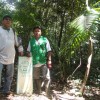
Peru – Megadiverse, and Biodiversity-Aware
One of every two Peruvians knows what "biodiversity" means, and most would stop buying products that are not socially or environmentally responsible, according to an international survey that for the first time included this megadiverse South American country.Grim News for Caribbean Economies
For yet another occasion, it was not the good news Caribbean leaders wanted to hear.Student Protests Energise Mexico’s Election Campaign
The "Occupy" movement has spread to Mexico, where thousands of university students have taken to the streets, bringing fresh air to a superficial and flat election campaign and forcing political parties to pay attention to a long-ignored segment of the population.
ANTIGUA: Mysterious Pest Targets Valuable Palm Trees
Something is decimating the coconut and other palm trees here and no one seems to know exactly what it is.
Outsourced Chilean Copper Workers “21st Century Slave Labour”
"Temporary and subcontracted workers in the copper industry are the slave labour of the 21st century. Lacking rights and social protection, they are vulnerable and defenceless," complained Cristián Cuevas, the leader of a union for outsourced Chilean copper workers.
HAITI: Partners in Deforestation and “Slumification”
More than 100 Haitian families now have new housing, thanks to the support of two non-governmental organisations working on reconstruction following the country's devastating 2010 earthquake.
Living in the Heart of Hurricane Alley in Cuba
In Los Palacios, a farming community in the western Cuban province of Pinar del Río, local residents are still working hard to rebuild after the damage caused by two of the three hurricanes that hit this country in 2008. "It was just horrible," people here say when asked about what happened.
Dirty Money Still Untouched in Mexico
"You don’t close down a bank by arresting the tellers." That phrase, from Argentine expert Edgardo Buscaglia, illustrates the challenge of the fight against money coming from illegal activities in Mexico.
In Antigua, Fishing Brings Both Income and Ecological Destruction
Eli Fuller is a third-generation Antiguan who, for the past two decades, has been exploring the Antigua and Barbuda coastline. But he laments the fact that he can no longer see the coral that he recalls were somewhat of an underwater jungle when he was a young boy, akin to what you'd see in the Amazon rain forest.
COLOMBIA: Amnesty Denounces Impunity for Human Rights Crimes
There have been "few tangible improvements" in human rights in Colombia, says Amnesty International’s new report, which also points to legal loopholes that ensure impunity, as well as government attacks on court rulings.
Big Hydropower Dams Trump Alternative Energy in Chile
Chile has enormous potential for producing non-conventional renewable energies (NCRE) like solar and geothermal, yet they only contribute three percent of the country's energy mix.
Community Drills Part of Cuba’s Top-Notch Disaster Response System
A well-oiled prevention system that involves the entire country, from the highest spheres of government to the most isolated rural community, makes Cuba one of the best-prepared countries in the world when it comes to preventing deaths and mitigating risks in case of disasters.
Belo Monte Dam Hit by Friendly Fire
Those who made the final decision on the design of Brazil’s Belo Monte hydroelectric dam will face legal action in the future for the damages caused. This is the kind of warning one would expect from environmentalists, but in this case it comes from a surprising quarter: staunch supporters of hydropower.« Previous Page — Next Page »


The Week with IPS

NEXT STOP - SDGs
Tracking global progress towards a sustainable world
Tracking global progress towards a sustainable world

