Languages
Thursday, October 8, 2026



News and Views from the Global South
Millennium Development Goals (MDGs)
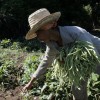
Sustainable Technologies Safeguard the Soil in Cuba
The furrows are hard to make out in fields of the Finca de Semillas, a farm on Havana’s outskirts, because its administrators, Esmilda Sánchez and Raúl Aguilar, protect every centimetre of soil with mulch.Norway Sets Example in Audit of Poor Countries’ Debts
Anti-poverty campaigners are celebrating the Norwegian government’s release of an external audit of all outstanding public debts it is owed by developing countries, the first time any country has undertaken such a process.
Ecological Cuban Recipes Boost Sustainable Agriculture
Vilda Figueroa and her husband, José Lama, live in Marianao on the outskirts of Havana, where they share hundreds of recipes based on Cuban-grown foods and sun-drying, along with other ecological food preservation methods.
What Egypt Is Blind To
Dina Gamal, whose 10-year-old son was born blind, says it is not him but Egyptian society that lives in the dark.
Killer Smoke Blows Through Pacific Islands
Governments in the Western Pacific Islands, believed to be home to a third of the world’s smokers, have begun a long battle with the growing crisis of non-communicable diseases. Such diseases currently account for 75 percent of the region’s fatalities.
‘Deserts Can Save Forests’
It may take development of the deserts to save forests, say experts, who stress that desert ecology needs to be preserved and enhanced.
Crossing Borders with Trade
Experts are agreed that the key to unlocking the economic potential of the Southern African Development Community lies in easing cross-border flows of people, goods, capital and services.
The Role of the State in Developing Countries under Attack from New FTAs
Two new trade agreements involving the two economic giants, the United States and the European Union, are leading a charge against the role of the state in the economy of developing countries.
Protests in Portugal Going Grey
The elderly have taken to the streets in Portugal to protest drastic public sector pension cuts announced this week by the government of conservative Prime Minister Pedro Passos Coelho.
One Recipe for the Homeless
Following the death of his parents when he was just four, Samlain Chey, now 22, found himself living on the streets along the river near the Royal Palace in Phnom Penh. Until he met a social worker from Mith Samlanh.
Montevideo Consensus Urges Countries to Change Abortion Laws
Representatives of 38 countries of Latin America and the Caribbean meeting this week in the Uruguayan capital urged governments in the region to consider modifying their laws on abortion, which are among the most restrictive in the world.
Despite Two Bans, Styrofoam Trash Still Plagues Haiti
Despite two government decrees making their import and usage illegal, styrofoam cups and plates are used and littered all over the capital, as well as bought and sold, wholesale and retail, completely out in the open.
Kashmiri Farmers Unprepared for Drought
Zareena Bano has had to skip school 17 times this year to help out on her family’s farm in Tangchekh village in the northern Indian state of Kashmir.
Building the Future Enterprise by Enterprise in Rural Peru
Women and young people are central players in dozens of small businesses and environmental protection plans that are changing the lives of poor rural families in the Andes highlands of southern Peru.
Q&A: “We Cannot Accept Crumbs When it Comes to Rights”
Latin America and the Caribbean cannot hope to have truly advanced, progressive policies in sexual and reproductive health as long as women do not have the right to decide to interrupt their pregnancy, says Mariela Castro.
Q&A: “We Are Building Sexual Citizenship”
Latin America and the Caribbean should play a central role in the construction of “sexual citizenship” - a concept that covers a series of population-related issues, rights and guarantees that this region helped build since the United Nations first emerged, says Brazilian expert Carmen Barroso.Mongolia Wrestles with Dutch Disease Dilemma
Ochir Damchaa chuckles as he drives his second-hand Toyota sedan through the alleyways of Nalaikh, a ramshackle town 35 kilometres east of Ulaanbaatar: “There’re just two kinds of jobs here: drive a taxi, or dig coal.”
Where Banks Need Less Regulation
Leading bankers are concerned that the regulatory environment in some southern African states is preventing them from offering a full range of services to individuals and companies across the region.
Haitian Farmers Lauded for Food Sovereignty Work
Work by the Group of 4 (G4) union of Haitian peasant organisations, along with assistance from the Dessalines Brigade - South American peasant leaders and agroecology experts supported by La Via Campesina - has been singled out for promoting “good farming practices and advocat[ing] for peasant farmers” in Haiti.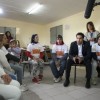
Latin America’s Youth Face Hurdles to Jobs and Safe Sex
Shortcomings in the educational system in Latin America and the Caribbean fuel inequalities that remain hurdles to access to the labour market and safe sex for a large part of the region’s youth.U.S. ‘Stand Your Ground’ Laws Criticised for Racial Disparity
In the aftermath of a recent high-profile U.S. murder trial, several new studies have found that the controversial self-defence law at the heart of the case, known as “Stand Your Ground”, is being applied differently depending on defendants’ ethnicity.« Previous Page — Next Page »





The Week with IPS

NEXT STOP - SDGs
Tracking global progress towards a sustainable world
Tracking global progress towards a sustainable world
