Languages
Thursday, October 8, 2026



News and Views from the Global South
Pakistan
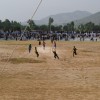
Where Sports Replace Terror
Pakistanis are no strangers to sports-related violence; in fact, many have come to expect scuffles and conflict, especially following a major cricket match. In the country’s northern Federally Administered Tribal Areas (FATA), however, cricket has become a tool to promote peace.
Children of Conflict
Malala Yousafzai and Muhammad Qasim have a lot in common.
Taliban Ban Has Crippling Effects on Children
Four-year-old Muhammad Jihad is handicapped, and his parents know who to blame: the Taliban.
Acid Survivors Say Theirs Is a Fate Worse Than Death
Women in Pakistan are no strangers to horror. In this country of 176 million, about 90 percent of women have experienced domestic violence; every year, over 1,000 women are murdered in so-called ‘honour killings’. Two years ago, the Thomson Reuters Foundation named Pakistan the most dangerous country in the world for women and girls.
Afghan Refugees Dig Their Heels into Pakistani Soil
Muhammad Shakoor, 42, calls Pakistan home. Born in Afghanistan’s eastern Nangarhar province, he was bundled across the border during the Soviet invasion of his country in 1979 by his family fleeing the chaos of war.Global Publics See Climate Change, Financial Issues As Top Threats
Climate change and international financial instability top a list of seven concerns that publics around the world consider "major threats" to their countries, according to the latest polling of global attitudes by the Pew Research Centre here.CENTRAL ASIA: South Asia Energy Project a Pipe Dream?
In early June, a newspaper in Pakistan announced the Asian Development Bank would withdraw from a much-anticipated energy transmission project that aims to connect Central and South Asia. The report stated that security fears in Afghanistan were prompting the ADB to drop its 40 percent interest in the project.
Climate Change to Determine Economic Growth
The Monetary Board of Sri Lanka’s Central Bank, tasked with keeping the island’s economy on an even keel, does not only keep tabs on exchange rates, gold prices and inflation – it also has an eye on a less obvious indicator of economic stability: water levels in the country’s main reservoirs.
The Taliban Torches a Lifeline
The United States is laying meticulous plans ahead of its 2014 withdrawal from Afghanistan, but it has clearly overlooked how its continued drones strikes on the tribal areas of neighbouring Pakistan will affect the much-anticipated pullout.
Coming Out in Droves Against Drones
Though the constant hum of unmanned aerial vehicles flying overhead makes a strong case for staying indoors, residents of Pakistan’s North Waziristan Agency are emerging in droves from their humble homes, some no bigger than huts constructed from mud and stones.
Good Health Lies Just Across the Border
Muzaffar Shah, a shopkeeper from Kabul, sits in a hospital waiting room, desperate for news. He has travelled nearly 300 km to get to the Khyber Teaching Hospital in Peshawar, capital of northern Pakistan’s Khyber Pakhtunkhwa (KP) province, where his wife is now in intensive care.
Peace Gets a Chance in Pakistan
Peshawar is breathing a little easier. Prime minister designate Nawaz Sharif’s offer of talks with the outlawed Tehreek-e-Taliban Pakistan (TTP) has rekindled hope for peace in this Pakistan border town.
Pakistani Doctors Earn “Only Gratitude” for Treating Fistula
Sherhshah Syed is a highly qualified doctor and president of the prestigious Pakistan National Forum on Women’s Health (PNFWH) but his income does not match his qualifications.
Groaning Under Power Cuts, Scorching Temps in Pakistan
Raheel Tauseef is feeling quite powerless this summer. Frequent power outages in the industrial city of Faisalabad in the Punjab province of eastern Pakistan, where the 29-year-old and his family run three hosiery factories, are taking a heavy toll on their business.
Neighbours View Sharif as Yoked to Personal, National History
Following on Nawaz Sharif’s victory in the May 11 national elections in Pakistan, many analysts are indicating cautious optimism on the prospect that the new prime minister can strengthen bilateral relations with the country’s neighbours, particularly India.
Water Flows Again in the Valley
Staring out at his golden wheat field with satisfaction, 50-year old Alamgir Akbar says with a sigh of relief: "We've had a good crop this season.”
Explosives Shatter Lives in Kashmir
Aadil Khan and his two siblings had been playing as usual behind their house in the village of Diver, 110 kilometres north of Kashmir’s capital, Srinagar, when they came across what they thought was a “plaything” laying on the ground. But no sooner had they picked the object up than it literally shattered their innocent lives into pieces.
U.S. Relationship with Pakistani Military Must “Broaden”
With this weekend’s national election in Pakistan seeing historic high turnout resulting in an overwhelming vote for a single party, foreign policy observers here are suggesting that the United States will need to finally redefine its longstanding relationship with the Pakistan Army.
Pakistan Marks Historic Election
Flanked by loyalists, friends, journalists and excited family members, former Pakistani premier Mian Nawaz Sharif, head of the Pakistan Muslim League (PML-N), seemed relaxed on the night of the May 11 general elections.
The Bloody Road to the Ballot Box
The road leading to the office of the Muttahida Qaumi Movement (MQM) wears a forlorn look. The same deserted air hangs over the Awami National Party (ANP) headquarters here in Karachi, just hours before voting begins on Saturday in Pakistan’s long-awaited general elections.
CIA Drone Strikes on Trial in Pakistan
Adding fuel to a long-simmering dispute between the U.S. and Pakistan, a Peshawar High Court declared CIA drone strikes illegal on Thursday, referring to such attacks in Pakistan’s tribal belt as “war crime(s)”.« Previous Page — Next Page »





The Week with IPS

NEXT STOP - SDGs
Tracking global progress towards a sustainable world
Tracking global progress towards a sustainable world
