Languages
Sunday, November 8, 2026



News and Views from the Global South
Poverty & MDGs

Brazilian Favela Becomes a Living Museum
The history, daily life and folk artistry as well as spectacular views of this southeastern Brazilian city are all part of a living museum created by community leaders in a favela that is displaying its cultural heritage as well as its wounds.
Ghanaian Fisherfolk Blasting Their Way to Finding Fish
Explosives, high-watt light bulbs, monofilament nets, and poison: these are a few methods fisherfolk are using to catch ever-dwindling fish stocks off Ghana’s shores.
U.S.: Only Four-Fifths of Men’s Pay for Women
Forty-seven years after the Equal Pay Act was signed into law, women in the United States are still struggling against wage discrimination in the workplace.
U.N. in Last Ditch Bid to Finalise Rio+20 Action Plan
The Rio+20 sustainable development summit, scheduled to take place in Brazil in June, is billed as a key meeting of world leaders who are expected to renew their political commitment and approve a wide-ranging plan for a greener future.
Bangladesh Cuts Maternal Deaths With Affordability
The Aditmari Maternity Centre (AMC) is unpretentious but hygienic, and its staff of paramedics welcomes pregnant women from the poor farming villages of this district, 375 km northwest of Dhaka.
Listening to the Hum of Tilling Machinery in the Sierra Leone Countryside
In the eastern Sierra Leonean community of Lambayama, rice paddies are carved far into the landscape before being abruptly halted by distant hills. Aside from a paved road that draws a grey line through the green, swampy valley, it looks much as it did a century ago.
Western Ghana’s Fisherfolk Starve Amid Algae Infestation
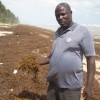
Sam Kojo stands in a thigh-high pile of brown seaweed that blankets a beach in western Ghana. Behind him, a decomposing mound of Sargassum stretches down the shore past the fishing village of Beyin.
Montevideo Selected as Regional Internet Centre
The capital of Uruguay has become the headquarters of Latin America’s six leading Internet organisations, brought together in the same building.
Hepatitis Hits Haemophiliacs in Kashmir
Recent research has found that over 90 percent of haemophilia patients across Kashmir are also affected by hepatitis due to the dearth of safe Anti- Haemophilic Factor (AHF) in the Valley.
Q&A: Increasing Investment Opportunities in Africa
More than three years after the start of the global economic crisis, which has had a considerable impact on African trade, investments and gross domestic product, investment prospects on the continent are increasing.
Steady Water Supply for Zimbabwean City Still a Pipe Dream
Residents of Zimbabwe's water-scarce city, Bulawayo, are concerned about the government’s slow response to finding a permanent source of water to cover their needs.‘The Land is Never Wrong’, Says Togolese Farmer
Awuissa Walla has no regrets over choosing farming as a profession. He earned a degree in agronomy a decade ago, and borrowing money from friends, set himself up on an 18-hectare plot at Badja, some 50 kilometres from Lomé, the Togolese capital.
U.S.’s Kim Prevails in First World Bank President Contest
Capping an unprecedented multinational contest for the post, the World Bank's executive board upheld a nearly 70-year tradition Monday by selecting the U.S. candidate, global health expert Jim Yong Kim, to be the Washington-based agency's next president.
Reaffirmation of Women’s Rights Key to Rio+20 Success
The Rio Declaration on Environment and Development, unanimously adopted by 178 governments at the June 1992 Earth Summit in Brazil, specifically recognised that "women have a vital role in environmental management and development."Tired of Odd Jobs in the City, He Is Farming in His Old Guinean Village
Like many rural youth, Abdoulaye Soumah spent a few years in Conakry, trying his hand at various jobs in the big city. But he has since returned to his home village, transforming a seven-hectare plot of land inherited from his parents into a model of success.
War on Terror Traumatises Pakistani Women
Collateral damage caused by the ‘war on terror’, prosecuted by the United States and its allies in Afghanistan since 2001, may well extend to psychological trauma sustained by thousands of women in the bordering areas of northwestern Pakistan.
Returning Sudanese Child Soldiers Their Childhood
As the process of reintegrating South Sudan’s child soldiers into their old lives begins soon, the Sudanese People’s Liberation Army renewal of its lapsed commitment to release all child soldiers from its ranks in March could mean that within two years children will no longer constitute part of the country’s militia groups.
Banda Gives New Lease on Life to Malawi
She has been in office for less than a week but Malawi’s, and the region’s, first female president, Joyce Banda, has given many people in this poor southern African country hope that its social and economic woes will soon end.
“Water Schools” Foster More Sustainable Habits in Mexico
So-called water schools, which educate communities on the resource and its links with the environment, gender and climate change, are helping to raise awareness on proper water management in Mexico, at a time of severe drought.Tighter Security Ignores Root Causes of Somali Crises
As Western forces step up their military presence in Somalia, locals and experts are worried that the country – struggling under multiple crises from piracy, to drought – is doomed to churn in a cycle of violence that fails to acknowledge root causes of the problems.
Those Laboratory Mice Were Children
At Fallujah hospital they cannot offer any statistics on children born with birth defects – there are just too many. Parents don’t want to talk. "Families bury their newborn babies after they die without telling anyone," says hospital spokesman Nadim al-Hadidi. "It’s all too shameful for them."« Previous Page — Next Page »





