Languages
Wednesday, October 14, 2026



News and Views from the Global South
Small Farmers
A Green Gold Mine in the Heart of the DRC Capital
A disused cemetery in the heart of Kinshasa, the capital of the Democratic Republic of Congo, has been transformed into a profitable urban garden. Relying on compost they make themselves on the site, a small group of gardeners are enjoying plentiful returns.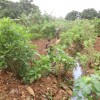
Farming Among the Waste in Cameroon
Cameroonian urban famer Juliana Numfor has six plots of land where she grows maize, cassava, sweet potatoes and leafy vegetables, including cabbages, wild okra and greens.
Feed Europe, Feed the World
A huge moment for reform of the industrial farming system in Europe has many stakeholders on edge. Farmers who are feeling the crunch of rising input costs – from fertilisers to fuel – believe they can benefit greatly from a transition to more traditional and sustainable farming methods.
Q&A: Smallholder Farmers Driving New Trend Against Climate Change
Small-scale irrigation schemes can provide the biggest opportunity for boosting food security in Africa, according to Meredith Giordano, the research director at the International Water Management Institute.
“The Truth is That All Problems Have Solutions” – Even Climate Change in Ethiopia
Eight years ago Kenbesh Mengesha earned an uncertain income collecting firewood from local government forests and selling them to her fellow slum-dwellers in Addis Ababa, Ethiopia. She would earn on average about 50 cents a day, if she was lucky.Getting a Grip on Food Security in DR Congo
The Association for Integrated Rural Development is one of a number of rural organisations on the periphery of Kinshasa, the capital of the Democratic Republic of Congo, which are strengthening the city's food security while demonstrating how to maximise sustainable use of agricultural land.
Beating the Weather With Sustainable Crops
Narrow, cobblestoned lanes separate the rows of mud houses with cool interiors and mud-smoothened patios, some with goats tethered to the wooden posts. This is Tajpura village, deep in this water-stressed, drought-prone region of northern India.DRC Farmers Reap Benefits of Soil Fertility
Just two years ago, rice farmers on the Ruzizi plain in the eastern part of the Democratic Republic of Congo were content to harvest 2.5 tonnes of rice per hectare. The adoption of new techniques has seen their output rise to between six and eight tonnes, with smallholder farmers also increasing their local market share.
Droughts Bring Climate Change Home to Nepali Farmers
Farmers in this fertile central district of south Nepal are convinced that an intense drought between May and early July that destroyed their maize crops is the result of climate change.
Thai Farmers Fight ‘Global Warming Fines’
Small farmers in the Baan Pra village of Thailand's southern Trang province have been living in anxiety ever since they were slapped with stiff fines by the government in 2006 and ordered to vacate their ancestral lands for ‘contributing to global warming’.
Mapping out Climate Change Adaptation Plans on Kenya’s Airwaves
On a Wednesday morning in Mutitu-Andei township in Makueni County, one of Kenya’s driest areas, smallholder farmer Josephine Mutiso tunes into Radio Mang’elete 89.1 FM and listens as meteorological experts discuss the changes in rainfall patterns in the county.
Youth Farmers Have Great Needs and Low Expectations from Rio+20
Ulvia Abdullayeva, from Ganja in western Azerbaijan, has come to Rio to deliver a simple but critical message to world leaders and her national authorities: small farmers need protection and financing.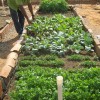
Cilantro Spices Up Coexistence with Drought in Brazil
Many grow lettuce, tomatoes, carrots, beets and other vegetables. But cilantro is ever-present in the gardens that are helping rural families weather the lengthy drought that is once again wracking Brazil’s impoverished Northeast.
Back to the Future With Local Rice Seeds
By coaxing a bumper 3.2 tonnes of rice out of each acre on his organic farm in this district famed for its ancient Buddhist monasteries, Charitha Wijeratne has convincingly proved that using indigenous seeds does not affect productivity.
Nepal’s Female Farmers Fear Climate Change
When Arati Chaudhary’s husband left for India to find work as a migrant labourer, the job of managing farm and family fell on her slender shoulders.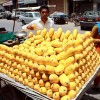
King of Fruit Reaps Few Rewards for Pakistani Farmers
In the summer heat, fresh mangos are the fruit of choice for politicians seeking to exchange favours with foreign dignitaries. But when it comes to global trade, the prospects of the so-called king of fruit are limited.
Time for a More Sustainable Global Food System
It is vitally important that governments and civil society organisations start transitioning to a more sustainable global food system in order to achieve lasting development.
Cultivating Food Security in Their Own Backyards
Misradi, a 58-year-old farmer from the Jelok neighborhood in Pacitan, East Java, some 524 kilometres east of Jakarta, has found a way to reduce his monthly expenses by 30 percent: instead of buying produce from the local market, he and his family now harvest most of their vegetables from their own yard.
A Future With Food, or No Future At All
The upcoming Rio+20 Conference on Sustainable Development will not succeed if the crises of hunger and malnutrition are not effectively addressed. The issues are so inextricably linked with sustainable development that they have to be part of the agenda, according to a report released Wednesday by the United Nations Food and Agricultural Organisation (FAO) for the upcoming Earth Summit that will take place in Rio de Janeiro from Jun. 20-22.
Nothing to Show for Hard Work but Burnt Fields of Maize
Gertrude Mkoloi earns a living harvesting maize on a small piece of land in rural Zimbabwe. Or at least she used to.
Q&A: The Future of Agriculture May Well Be in Cities
In the coming decades, the world's population is expected to grow by at least another two billion people, 80 percent of whom will live in cities by the year 2050.« Previous Page — Next Page »





The Week with IPS

NEXT STOP - SDGs
Tracking global progress towards a sustainable world
Tracking global progress towards a sustainable world
