Languages
Friday, September 25, 2026



News and Views from the Global South
South Sudan
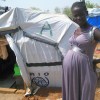
OP-ED: Violence Leaves Women, Girls, and Young People on the Edge in South Sudan
As with many conflicts and other humanitarian emergencies around the world, those who suffer the most are women, young girls and children. The current terrible crisis in South Sudan is no exception.
Not Yet a Week and Another South Sudan Ceasefire Fails
It has not yet been a week, but South Sudan’s most recent ceasefire appears set to collapse, along with hopes that – after five months of fighting – the country might finally be on the path to recovery.
South Sudan, Where Livestock Outnumbers People and the Environment Suffers
Twenty-year-old Wani Lo Keji stares at the sky as his herd of cattle drink water from the eastern bank of the Nile River, just opposite South Sudan’s capital, Juba.
Violence in South Sudan at a Savage Turning Point
After a week that saw a massacre inside a U.N. base and wide-scale ethnic-based slaughter in an oil-producing region, the international community is grappling with what, if any, options remain to save lives in South Sudan.
South Sudan Dictates Media Coverage of Conflict
As rebel forces loyal to South Sudan’s former vice president Riek Machar declared on Tuesday Apr. 15 that they had captured the key oil town of Bentiu, the government has been accused of clamping down on local media in an attempt to influence the reporting on the conflict.
What We Can Learn from Child Soldiers
In 2003, Moses Otiti, a 15-year-old from Uganda, was walking in a group with his father when members of the Lord’s Resistance Army (LRA) ambushed them.
U.N. Report on South Sudan Paints Grim Picture
An interim human rights report released by the beleaguered U.N. peacekeeping mission in South Sudan is being tentatively hailed by rights groups and observers who have pressured the mission to be more transparent with its findings.
The Longer Peace Takes, the Worse it Gets for South Sudanese
South Sudan is taking the first steps in what promises to be a long process of healing the fractures that prompted more than five weeks of fighting, potentially leaving thousands of people dead and wounded and displacing 863,000 others.
Greater Transparency Urged for U.N.’s South Sudan Mission
As South Sudan’s fragile ceasefire threatens to unravel, human rights groups are calling on the U.N.’s mission there to make public its human rights reporting, a step they say will help lay the groundwork for reconciliation that never took place following independence in 2011.
South Sudan’s Ceasefire Far from Conclusive
When representatives of the warring factions of South Sudan signed an agreement to end hostilities at a luxury hotel in Addis Ababa, Ethiopia on Thursday, Jan, 23, fervent applause and some high-pitched ululations erupted from the audience.
South Sudan’s Ceasefire Brings Hope For Half a Million Displaced
The overwhelming job of providing relief to the more than half a million displaced and wounded in South Sudan may have gotten a little easier with the signing of a ceasefire agreement last night in Addis Ababa, which is set to go into effect today.
2014: Solutions to Ten Conflicts
There are conflicts old and new crying for solution and reconciliation, not violence, with reasonable, realistic ways out.
U.N. Peacekeepers Overwhelmed in South Sudan
As the death toll rises from South Sudan’s spiraling political and ethnic conflict, the ability of the U.N. to enforce its peacekeeping mandate in the country is coming under increased scrutiny.South Sudan Declares Emergency in Two States
South Sudanese President Salva Kiir has declared a state of emergency in two states, according to the government's official Twitter account.
A Complicated Calculus in South Sudan
Hours after forces ostensibly under Riek Machar’s command claimed victory in the strategic South Sudanese city of Bor, the former vice-president and once again rebel commander announced he would – after a week of postponement – send an envoy to upcoming peace dialogues in Addis Ababa with regional leaders and representatives of his one-time superior and comrade, President Salva Kiir.
Abyei Pressures Two Sudans for Resolution
The non-binding referendum in Abyei – where people voted overwhelmingly to join South Sudan – and the ensuing celebration, has brought little immediate resolution to the long-festering Abyei problem.
Caught Between Two Sudans
When Chris Bak returned two weeks ago to the disputed border town of Abyei, which voted this week on whether to join Sudan or South Sudan, he barely recognised it as the place where he grew up. “Everything is dirty,” he told IPS. “We were just going around and around, but we didn’t [recognise] this place.”
OP-ED: Why Keeping Girls in School Can Help South Sudan
Mary K. loved to study and wanted to be an accountant. However, when she was 16 and in class six (grade eight), her father forced her to leave school to marry a 50-year-old man who paid him 60 cows.
OP-ED: South Sudan’s Army Must Be Held Accountable
On the last day of July, South Sudanese soldiers shot dead two unarmed women, Anyibi Baba and Ateil Rio. The killings were the latest in a pattern of grave violations against civilians by Sudan People’s Liberation Army (SPLA) soldiers fighting a Murle rebel group in Jonglei state.
U.N. Struggles to Reach Displaced in South Sudan
Following fighting in the South Sudan state of Jonglei , the United Nations is trying to coordinate a humanitarian effort to help tens of thousands of people who have fled to the bush. The World Food Programme (WFP) has launched an operation to provide food for those who have escaped the conflict.
U.N. Deploys Women Protection Advisers to Curb Sexual Violence
Despite the United Nations' "zero tolerance" policy against sexual violence, there has been a rash of gender-based crimes in several of the world's conflict zones, including South Sudan, the Democratic Republic of Congo (DRC), Northern Uganda, Somalia, the Central African Republic - and, more recently, in politically-troubled Egypt and Syria.« Previous Page — Next Page »


The Week with IPS

NEXT STOP - SDGs
Tracking global progress towards a sustainable world
Tracking global progress towards a sustainable world
