Languages
Saturday, October 24, 2026



News and Views from the Global South
Energy
Poland Clings On to Coal
Coal has brought its own compulsions for Poland, as it has for many other countries in the call to move to more renewable and cleaner sources of energy.U.S. Sees Greatest Reduction in CO2 Emissions
According to a recent report by the International Energy Agency, the U.S. has seen the greatest reduction in carbon dioxide pollution within the past six years in comparison to any other country, even as global carbon dioxide pollution has reached record highs.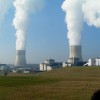
U.S. Agency Gave Nuclear Industry a Sweet Deal, Documents Reveal
The Southern Alliance for Clean Energy (SACE) recently won a two-year legal battle to secure documents from the U.S. Department of Energy under the Freedom of Information Act related to nuclear power loan guarantees offered to utility companies under the Barack Obama administration.
OP-ED: Expanding Oil Production Poses Environmental Risks
With oil prices on the rise again and geopolitical upheaval in some major oil producing regions, many countries are turning to new and often environmentally damaging sources of oil, including oil sands, deepwater offshore oil, and heavy oil.
Micro Hydels Power Indonesia’s Green Energy Plans
The nighttime glitter of Indonesia’s cities and urban centres contrasts sharply with darkness of the hinterland where some 90 million people live without the benefit of electricity.Biofuels and Hunger, Two Sides of the Same Coin
Despite growing evidence that biofuel production is causing food insecurity around the world, the new European Union policy blueprint on renewable energy ignores the social effects of biofuels. Last week, Guatemalan victims of the food crisis came to Brussels to make European policy makers aware of the problem.
RIO+20: Promised Green Economy Was a Fake, Say Activists
When the Rio+20 summit on sustainable development ended Friday, there were winners and losers – mostly losers.
Bangladesh on the Green Brick Road
Bangladesh, a country highly vulnerable to climate change, is doing its bit to reduce greenhouse gas (GhG) emissions and glacier-melting soot by switching to ‘smokeless’ brick-making technology.
Biodiesel Brings Cleaner Air
For the past three months, a transport group in the Philippines has been making use of biodiesel processed from used cooking oil for their jeepneys.
Rio Outcome Bleak With No New Funding*
Amidst recrimination, anger and charges of “strong arm tactics”, negotiators eventually endorsed a global plan of action for sustainable development following marathon sessions lasting over six weary days.
Rio+20: Creating a Future Girls Want
On a wall in the Rio conference centre is an unusual, brightly coloured tree. It is made of sticky notes, arranged so that the tree's branches extend down and out. On these notes, delegates passing by the World Association of Girl Guides and Girls Scouts (WAGGGS) have been asked to write down the futures they envision.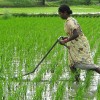
New Set of Sustainable Development Goals Looks Beyond 2015*
When world leaders from over 100 countries wind up their three-day Rio+20 summit in Brazil next week, they will leave behind the shattered remains of a slew of proposals that never got off the ground.
Rio+20: Concrete Goals the Only Recipe for Success
Goals drive action, and that's why establishing a set of Sustainable Development Goals is so important to put the world on a sustainable pathway, experts said Saturday under the tropical fig and palm forest that covers much of the ground at the Pontifical Catholic University of Rio de Janeiro.
Europe and Former Colonies Urge Action at Rio+20
Europe and 79 of its former colonies have sent a strong message to the U.N. Conference on Sustainable Development in Brazil next week that it should use the opportunity to both fulfill past promises and deal with "new and emerging challenges".
Earth’s Future Not for Sale, Activists Say
Just ahead of the start of the United Nations Conference on Sustainable Development (Rio+20), many are worried about the influence that corporations will have on the summit's agenda.
Activists Aren’t Mourning Obama’s Absence at Rio Summit
When a reluctant George H.W. Bush, Sr., then U.S. president, changed his mind and decided at the eleventh hour to address the 1992 Earth Summit in Rio, he sounded defensive in his strong response to charges that the United States was one of the major powers responsible for the some of the world's worst environmental ills - from greenhouse gases to conspicuous consumption.
Q&A: Battle for Human Rights in Rio Is “Far From Over”
Human rights should be explicitly recognised as an indispensable ingredient of sustainable development at the Rio+20 summit in Brazil, says Navanethem Pillay, United Nations High Commissioner for Human Rights.
Setting Goals to Protect Half the Planet
The high seas, crucial regions of the world's oceans that are beyond national jurisdiction, account for 45 percent of the planet, but are today under severe threat from overfishing and pollution.
Defining Green Economy May Stymie Rio Summit
The thematic battle at the U.N. Conference on Sustainable Development (UNCSD) in Brazil next week will be primarily around the new concept of a "green economy" - and how best to define it.
Q&A: “We All Have to Start Being City Changers”
Building the cities of the future requires not only smarter planning but a profound shift toward greater equity and social justice, says Joan Clos, executive director of the U.N. Human Settlements Programme, or UN-HABITAT.
Biggest Economies Still Lagging on Renewables
On the eve of the Rio+20 Summit in Brazil, the U.S.-based Natural Resources Defense Council (NRDC) released a report Monday ranking the world's biggest countries on their use of renewable energy.« Previous Page — Next Page »





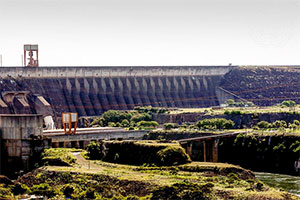 UN Power Plant, Paraguay. Credit: UN Photo/Evan Schneider
Energy has posed a great challenge for economies around the world. As global energy consumption skyrockets throughout the years, so does the need for sustainable solutions. The Sustainable Development Goals are essential in providing people with access to safe, affordable, and sustainable energy sources that minimize harm on the planet. Progress towards these goals opens the door for an advancement in modernization for communities on a global level and allows for a potential mitigation of tensions between nations.
The UN’s Summit of the Future in 2024 offered new initiatives that are being taken to achieve these goals, including a decreased reliance on fossil fuels, a switch to renewable energy sources, and improved climate financing.
IPS is well positioned to provide relevant, insightful, and compelling analysis of recent updates and measures being taken around the world to achieve a cleaner future.

The Week with IPS

NEXT STOP - SDGs
Tracking global progress towards a sustainable world
Tracking global progress towards a sustainable world
