Languages
Wednesday, November 11, 2026



News and Views from the Global South
Food and Agriculture

AGRA Gets Make-Up, Not Make-Over
Despite its dismal record, the Gates Foundation-sponsored Alliance for a Green Revolution in Africa (AGRA) announced a new five-year strategy in September after rebranding itself by dropping ‘Green Revolution’ from its name.
Pan-African Approach Needed to Tackle Food Insecurity Arising from Conflict and Climate Shocks
Upheaval on the global stage, the war in Ukraine, conflict in the Horn of Africa, severe climatic shocks, high international inflation, increasing global commodity prices, high prices of agricultural inputs and low intra-continental trade are fuelling food insecurity across Africa.
Open Veins of Africa Bleeding Heavily
The ongoing plunder of Africa’s natural resources drained by capital flight is holding it back yet again. More African nations face protracted recessions amid mounting debt distress, rubbing salt into deep wounds from the past. With much less foreign exchange, tax revenue, and policy space to face external shocks, many African governments believe they have little choice but to spend less, or borrow more in foreign currencies.
COP27: Africa’s Agri-food Systems Losses Ignored in Global Climate Negotiations
At a time when sustainable farming approaches such as agroecology have been removed from the text at ongoing global climate negotiation (COP27) taking place in Sharm El Sheikh, Egypt, activists are urging African governments to explore new steps to integrate agriculture into the UN climate agreement.
COP27: Climate Change’s Dire Consequences in the World’s Most Water-Scarce Region
The Middle East and North Africa are the world’s most water-scarce regions – with 11 of the 17 water-stressed countries on the globe. According to UNICEF, nine out of 10 children live in areas with high or very high-water stress, resulting in significant consequences for their health, cognitive development, and future livelihoods.
COP27 Fiddling as World Warms
The latest annual climate conference has begun in the face of a worsening climate crisis and further retreats by rich nations following the energy crisis induced by NATO sanctions after the Russian invasion of Ukraine. Copping out again The 27th Conference of the Parties (COP 27) to the United Nations Framework Convention on Climate Change (UNFCCC) is now meeting in Sharm-el-Sheikh, Egypt, from 6 to 18 November 2022.
Market Lords, Much More than a War, Behind World’s Food Crisis
While grain exports continue to regularly flow to world's markets since the July 2022 Turkey-brokered agreement between Russia and Ukraine to resume cereals and fertilisers shipments from both countries, food prices are still skyrocketing everywhere. How come?
Tackling Recurring Hunger Crises at the Horn of Africa – Beginning with Somalia
The statistics are stark. The crisis is unprecedented. Yet again, according to the United Nations, famine looms in Somalia, with hundreds of thousands already facing starvation. In addition, droughts, and catastrophic hunger levels have left over 500,000 children malnourished and at risk of dying. This is already nearly 200,000 more than the 2011 famine. Urgent immediate actions must be taken now, both to address the crisis in the short-term and long-term.
Farm-Kids-Turned-Scientists Give Back on the Climate-Crisis Front Line
Dr Alice Karanja knows from personal experience the tough choices the climate crisis is putting people before in the Global South. Choices such as whether to have a healthy diet or give your children an education. Choices such as whether to go hungry or allow your children to have any schooling at all.
Russian Dispute Over Drones Threaten to Escalate World Food Crisis
A war of words between Russia on the one hand, and the US, Britain, France and Germany on the other—specifically on the deployment of drones in Ukraine -- has triggered an unintended consequence: a new world food crisis. The Western powers last week asked the UN to verify whether Iranian drones were being used “illegally” in violation of the 2015 Security Council resolution 2231 which endorsed the Joint Comprehensive Plan of Action (JCPOA) on Iran’s disputed nuclear programme.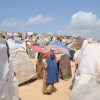
Droughts Don’t Need To Result in Famine: Ethiopia and Somalia Show What Makes the Difference
The Horn of Africa is facing its worst drought in 40 years. Scientists suspect that a multi-year La Niña cycle has been amplified by climate change to prolong dry and hot conditions.
Will The Lettuce Outlast All This?
No. No lettuce, no matter how British it may be, could outlast such a steady depletion of the very foundation of life.
Indian Village Unlocks Treasure of Organic, Indigenous Farming
At Jhargram, a far-flung village in India’s West Bengal state, a group of farmers sit together in one of the open fields. They debate, deliberate, and confabulate about the marketing strategy they should use when selling their harvest on the open market.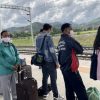
Farmers in Laos Imagine Improved Livelihoods Thanks to New Cross-border Links
Mountainous terrain in northern Laos has until now restricted chances for farmers and producers in much of the nation to export their goods, limiting them primarily to subsistence farming and also curbing development, education and poverty reduction in their communities.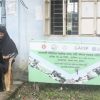
Bangladesh Coastal People Turn to Digital Devices to Succeed against the Odds
A barefoot young man in rolled-up jeans clutches a laptop as he slogs through a narrow muddy aisle between rice fields on a drizzling late September afternoon. He’s rushing to help a farm couple who are facing trouble with their ducks in a coastal village in southern Bangladesh.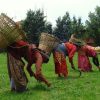
Rural Women Work the Hardest, Produce the Most, Eat the Least
Make no mistake. Violence against women has been perpetuated, specially when it comes to those who have already been deprived of their basic human rights, as it is the case of rural women in over two-thirds of the world.
Poverty Haunts Resettled Farmers in Zimbabwe
Edious Murewa has for years boasted of owning a 10-hectare piece of land, but now the 52-year-old is full of regrets. He faces poverty years after he invaded part of a farm once owned by a white commercial farmer.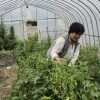
Farmers in Bhutan Turn To Asparagus and Strawberries To Boost Incomes
Zam, 57, sits at her kitchen table looking out the window at her orchard of four dozen apple trees. In the past eight years she has sold only two crates (100 kilogrammes) of the fruit because of poor harvests. She turned her attention to vegetables instead but the production was low because of a water shortage.
WORLD FOOD DAY 2022
 In 2022, an ongoing pandemic, global conflicts, climate change, rising prices and international tensions…
…are affecting global food security.

How to Stop the ‘Hunger Pandemic’ Part 2: How to Reduce Food Loss
A group of middle school students living in Asia filmed this video on their campaign to reduce food waste. They learned many lessons: Only take as much food as you can eat; don’t waste, eat ugly fruit and compost. In this production, they spoke to experts about how to ensure that everybody has something nutritious to eat.

World Food Day 2022 Call to Action as 828M People Go Hungry
In this year alone, the global impact of compounding crises demonstrates, more than ever, why food scarcity must be addressed internationally and how there must be a shift in the food and agricultural systems.« Previous Page — Next Page »





 Farming on the Outskirts of Juba. Credit: UN Photo/JC McIlwaine
Promoting human and planetary health is a central focus of the United Nations, as laid out in the 2030 Sustainable Development Goals (SDGs). World hunger and unsustainable farming practices continue to be pressing concerns for the world. According to the 2025 State of Food Security and Nutrition in the World report by the Food and Agriculture Organization (FAO), 673 million people faced hunger in 2024. There are stark regional disparities, with the FAO projecting that 60% of the world population facing hunger will reside in Africa by 2030. Globally, the prevalence of food insecurity has remained consistently higher for women than men.
Sustainable and efficient national food systems are essential in preserving health, education, environmental well-being, peace, economy, and security. However, creating sustainable food systems can be a challenging endeavor, as food production takes a heavy toll on the environment. The agricultural sector accounts for a significant portion of greenhouse gases. Finding safe, sustainable, and ethical strategies to feed the world is crucial in ensuring planetary longevity. A recent initiative from 2023, the EU Regulation on Deforestation-free Products (EUDR), seeks to advocate for sustainable food systems. The main driver of deforestation is the expansion of agricultural land used to produce commodities like cattle, wood, cocoa, coffee, etc. The EUDR is part of the 2020 European Green New Deal and the EU Biodiversity Strategy for 2030 and aims to limit Europe’s consumption of products linked with deforestation by requiring that companies prove that their products are deforestation-free. Despite aiming to achieve major strides in sustainability, policies such as EUDR also raise socioeconomic concerns for targeted countries. Many emerging Latin American economies are impacted by the policy, and have raised the question of how developing countries can grapple with the tensions between economic development and advancing sustainability.
IPS has been at the forefront of providing compelling and insightful stories on communities facing hunger as well as the cost of food production. IPS uses statistics from FAO, the World Food Programme (WFP) and the International Fund for Agricultural Development (IFAD) to bring relevant and hard-hitting facts to readers. This gathering of information and data from such organizations helps bring the best stories from IPS journalists working in the different regions in consultation with experts on the ground.

The Week with IPS

NEXT STOP - SDGs
Tracking global progress towards a sustainable world
Tracking global progress towards a sustainable world

