Languages
Wednesday, November 11, 2026



News and Views from the Global South
Food and Agriculture

Agroecological Women Farmers Boost Food Security in Peru’s Highlands
Lourdes Barreto, 47, says that as an agroecological small farmer she has improved her life and that of Mother Earth. "I love myself as I love Mother Earth and I have learned to value both of us," she says in her field outside the village of Huasao, in the highlands of the southern Peruvian department of Cuzco.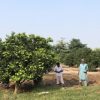
His Zest For Mandarins Soured, Pakistani Producer Turns To Mushrooms
The zesty citrus whiff from the rows of trees boasting unripe kinnow (mandarins) freshens the autumn air in late September. Two deeply tanned men clear the ground under and between the trees to plant vegetables.
University Outreach Project Teaching Tissue Culture to Potato Farmers
Until a few years ago, Kenyan potato farmer Richard Mbaria used to harvest just four tonnes of the crop from an acre of land thanks to poor quality seeds, combined with an attack on the crop by pests and diseases.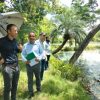
Bangladesh Reaching Out To Global Partners To Transform Agriculture
Bangladeshi businessman Kazi Inam Ahmed is building his dream in a village near Rupsha River in Khulna, southern Bangladesh—to develop fish farming in the region, where climate change is reducing the ocean’s catch. He envisions creating small ponds, which would employ local climate affected fisherfolk, then exporting the international quality harvest to the Netherlands.
Delivering Quality Education in Small Island Developing States
With 147 million children around the world missing half of their in-person instruction over the last two years and around 24 million never returning to school, humanity is experiencing a deep learning crisis.
Addressing the Cow in the Room, Lowing for Nutrition and Livelihoods
Meat, milk, and eggs are bad for you, and livestock is bad for the environment. Growing negative narratives about cattle’s contribution to climate change are shrinking the growth of the strategic livestock sector on which the livelihoods of more than 1.3 billion people in the world depend.
Small Farmers in Peru Combat ‘Machismo’ to Live Better Lives
"My father was very ‘machista’, he used to beat my mother... It was a very sad life," said Dionisio Ticuña, a resident of the rural community of Canincunca, on the outskirts of the town of Huaro, in the southern Peruvian highlands region of Cuzco more than 3,000 meters above sea level.
Nepal Government, UN Agency Seek Investors for Latest Cash Crop to Boom in Country’s East
Two and a half hours’ drive north from Kakarbhitta, Nepal’s eastern-most border crossing with giant neighbour India, lies the hilly hamlet of Salakpur where lives Kaushila Moktan, a famed farmer of large cardamom.
Hard Hit By Climate Change, Villagers Raise a Forest on Their Own
Some ten years ago, Sheemanto Chatri, a 39-year-old farmer hailing from India's northeastern state of Meghalaya, was reeling with distress. The unseasonal rainfall had washed away all the crops he had cultivated after year-long labor in his far-off hamlet.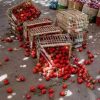
Go and Tell the Hungry that Their Food Is Being Thrown in the Garbage
These are facts, not guesses: about 1.3 billion tons of food is wasted and lost… every single year, the equivalent of one ton per each of the one billion hungry people, many of them are those who produced the food.
We Need Urgent Commitment, Resources & Action to Tackle Hunger Crisis
Last week, as world leaders gathered in New York for the 77th United Nations General Assembly, one topic came up more than most: looming famine. That’s because despite a global commitment to make famine a relic of the past, it is once again knocking at our door.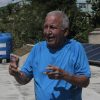
Cuban Innovator Uses Sunlight to Create a Model Sustainable Space
After making a model for a solar heater, installing solar panels and creating a device to dehydrate food with the help of the sun, Félix Morffi is turning his home into a space for the production and promotion of renewable energies in Cuba.
A World of One Billion Empty Plates
Have you eaten today – or are sure you will? The answer depends on where you were born and where you live now. If you are Spanish or live here, you likely did or will, provided that you are not one of this European country’s 900.000 inhabitants who face some sort of hunger, malnutrition or undernourishment.
Pacific Community’s Agricultural Gene Bank Wins Global Award
Safeguarding plentiful, nutritious supplies of food for the present generation of Pacific Islanders and those who come in the future is a frontline goal in the wake of the pandemic and the continual threat of climate extremes to island farming. But the region, where 50 to 70 percent of people depend on agriculture and fisheries for sustenance and income, is now one step ahead in that objective. The region’s agricultural gene bank, established by the development organisation, Pacific Community (SPC), is now acclaimed as world-class and a leader in building future food supplies.
Reimagining Urban Agriculture With Vertical Farming
Cities across the world including New Jersey and California, a State that is home to a multi-billion dollar agricultural industry, have continued to experience climate change linked extreme events including scorching temperatures, extreme heat events, heavy storms and flooding with devastating impacts on agriculture, food security, and food systems.
Remedy in Sight to Subdue an Invasive Poisonous Enemy in Kenya’s Drylands
Hannah Sakamo is worried. She is about to lose yet another goat in less than a month. A pastoralist in Eldepe village, Marigat Sub-County, Baringo County in Kenya’s Rift Valley region, her household’s lifeline is at stake. The goat in question, whose days are now numbered, has consumed pods, or the fruits of the invasive species, Prosopis juliflora, locally known as mathenge.
Africa Needs More Action, Fewer Words to Secure Food and Nutrition
For more than five years, Ritta Achevih was harvesting one bag of maize or less from her small plot each season. She could hardly provide enough healthy food for her big family.
In the Face of Scarcity, Cubans Dream of Once Again Drinking Their Daily Cup of Coffee
While the Cuban government's plans to increase production begin to bear fruit, Mireya Barrios confesses that she seeks every possible way to enjoy a cup of coffee every day, in the face of high prices and scarcity.
Developing Countries Must Grow More Food
Climate change and war on Ukraine a wake-up call
As our planet continues to heat up, extreme weather has affected many of us. From the west coast of North America across Europe, the Middle East and Asia to Pakistan and New Zealand, wildfires and flash floods have destroyed homes and property and disrupted the daily lives of millions.

Malawian Farmers Reap More from Sunflower, Chillies
Having harvested and graded their sunflower crop instead of taking it to market, every member of Zikometso Productive and Innovation Centre (IPC) brings their produce to the factory for cooking oil production. The IPC falls under the National Smallholder Farmers Association of Malawi (Nasfarm).
Africa Should Trade its Carbon Credits to Fund Renewable Energy – UNECA
Africa needs to trade in carbon credits to reduce greenhouse gas emissions, finance the transition to renewable energy, and boost economic development, the United Nations Economic Commission for Africa (UNECA) says.« Previous Page — Next Page »





 Farming on the Outskirts of Juba. Credit: UN Photo/JC McIlwaine
Promoting human and planetary health is a central focus of the United Nations, as laid out in the 2030 Sustainable Development Goals (SDGs). World hunger and unsustainable farming practices continue to be pressing concerns for the world. According to the 2025 State of Food Security and Nutrition in the World report by the Food and Agriculture Organization (FAO), 673 million people faced hunger in 2024. There are stark regional disparities, with the FAO projecting that 60% of the world population facing hunger will reside in Africa by 2030. Globally, the prevalence of food insecurity has remained consistently higher for women than men.
Sustainable and efficient national food systems are essential in preserving health, education, environmental well-being, peace, economy, and security. However, creating sustainable food systems can be a challenging endeavor, as food production takes a heavy toll on the environment. The agricultural sector accounts for a significant portion of greenhouse gases. Finding safe, sustainable, and ethical strategies to feed the world is crucial in ensuring planetary longevity. A recent initiative from 2023, the EU Regulation on Deforestation-free Products (EUDR), seeks to advocate for sustainable food systems. The main driver of deforestation is the expansion of agricultural land used to produce commodities like cattle, wood, cocoa, coffee, etc. The EUDR is part of the 2020 European Green New Deal and the EU Biodiversity Strategy for 2030 and aims to limit Europe’s consumption of products linked with deforestation by requiring that companies prove that their products are deforestation-free. Despite aiming to achieve major strides in sustainability, policies such as EUDR also raise socioeconomic concerns for targeted countries. Many emerging Latin American economies are impacted by the policy, and have raised the question of how developing countries can grapple with the tensions between economic development and advancing sustainability.
IPS has been at the forefront of providing compelling and insightful stories on communities facing hunger as well as the cost of food production. IPS uses statistics from FAO, the World Food Programme (WFP) and the International Fund for Agricultural Development (IFAD) to bring relevant and hard-hitting facts to readers. This gathering of information and data from such organizations helps bring the best stories from IPS journalists working in the different regions in consultation with experts on the ground.

The Week with IPS

NEXT STOP - SDGs
Tracking global progress towards a sustainable world
Tracking global progress towards a sustainable world

