Languages
Thursday, November 26, 2026



News and Views from the Global South
Development & Aid

Impoverished Cambodians For Sale
Many Cambodian women arrive in South Korea or China for marriage, only to find themselves being chosen as mistresses, say labour rights activists. While young Cambodian men, who travel to Thailand to work on fishing boats, often fall prey to drug abuse.
World Bank Arm Admits Wrongs in Honduras Loan
In an unusual statement, the World Bank’s private-sector arm has threatened to cancel a controversial investment in a Honduran palm oil company that has been implicated in serious human rights abuses, including numerous killings, over the past five years.
Digital Age Demands Educational Transformation, World Forum Says
The challenges of the digital age call for schools to develop an alternative model of education, with teachers who incorporate new technology and employ a more critical pedagogy, participants said at the Fórum Mundial de Educaçao (World Education Forum) in this southern Brazilian city.
As Afghan Pullout Looms, U.S. Urged to Rethink Pakistan Ties
With the 2014 deadline for a U.S. withdrawal from Afghanistan in sight, analysts here are urging Washington policymakers to drop the term ‘Af-Pak’ and recognise the importance of Pakistan beyond its implications for Afghanistan.U.S. Agency Accused of Safeguards Failure in Liberia Investment
Hundreds of Liberians have filed a complaint accusing a U.S. government agency of failure to carry out due diligence or ensure that safeguards were followed for investments made to a failed biomass project in Liberia.
The Future According to Mr. Clean (Energy)
Jigar Shah likes math. It inspires him. After all, crunching numbers allowed him to convince wary investors of the money-making potential of solar energy, allowing him to ignite an industry that was crippled by roadblocks.
Saving Cameroonians from Ill Health
The Cameroonian government has begun a crackdown on illegal medical facilities and plans to shut down more than 524 medical training centres and 600 private clinics operating unlawfully in this Central African nation.

Dammed Rivers Create Hardship for Brazil’s Native Peoples
The Itaparica hydroelectric power plant occupied land belonging to the Pankararu indigenous people, but while others were compensated, they were not. They have lost land and access to the São Francisco river, charge native leaders in Paulo Afonso, a city in northeastern Brazil.
New Leader in CAR, Same Human Rights Crisis?
The appointment of a new transitional president, Catherine Samba-Panza, in the Central African Republic (CAR) is generating optimism in some quarters that the country’s first female leader will manage to quell mounting ethnic strife.
The Missing Faces of Ethiopia’s Poor
It’s hard to tell if Gelegay Tsegaye is smiling, since a flap of skin covers half his mouth, but his eyes crinkle when he talks and his muffled voice rings with an upbeat cadence. He’s sitting in a special ward of the Korean Hospital in Addis Ababa, Ethiopia’s most modern healthcare facility.
Drugs Displace Maize on Mexico’s Small Farms
As the North American Free Trade Agreement (NAFTA) passes its 20-year milestone, Mexico is seeing the displacement of traditional crops like maize by marihuana and opium poppy as a result of falling prices for the country’s most important agricultural product.
Elites Will ‘Consider Inequality’
With no acute crisis on the radar, this year's Annual Meeting of the World Economic Forum (WEF) will move away from the response mode of the past years and “look for solutions for the really fundamental issues,” its founder Klaus Schwab said at the pre-meeting press conference.
Voluntary Fracking Certification Kicks Off in U.S.
A controversial new certification process that could cover a significant portion of the U.S. oil-and-gas “fracking” industry began accepting applications on Tuesday, indicating the formal start of an initiative that has the backing of some key industry players and some environmentalists – but by no means all of either.
Uganda’s Anti-Gay Bill, Unsigned but Still Effective
Uganda's president, Yoweri Museveni, has reportedly refused to sign a controversial anti-gay bill that would mean life in prison for people convicted of homosexual acts.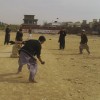
Playing Cricket, Praying for Peace
Afghanistan is rediscovering the joy of cricket. It is seen as a tool of progress, a means of entertainment, and a way to wean youth away from violence in a country that has been ravaged by conflict for more than 30 years.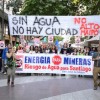
Alto Maipo Project Endangers Santiago’s Water Supply
A hydroelectric project under construction near the Chilean capital poses a threat to the supply of drinking water to more than six million people living in the Santiago Metropolitan Region.
Haiti’s “Public Housing” Projects Overlook Poorest
Named after a famous Haitian singer, the Lumane Casimir Village sits in the desert-like plain at the foot of Morne à Cabri and will eventually have 3,000 rental units. About 1,300 are now ready.
Questions Linger over Haiti Housing Projects
Four years after the Jan. 12, 2010 earthquake, questions continue to haunt the four main post-disaster housing projects built by the Haitian government.
Four Years After Haiti’s Earthquake, Still Waiting for a Roof
Mimose Gérard sits in her tent at Gaston Margron camp, surrounded by large bags filled with plastic bottles. She earns just pennies for each, but that’s better than nothing.
Caribbean Sees Worrying Rise in Climate-Sensitive Diseases
Caribbean countries, struggling to emerge from a slump in exports and falling tourist arrivals brought on by the worldwide economic crisis that began five years ago, have one more thing to worry about in 2014.
Seasonal Migration Frustrates Ethiopia’s Family Planning
Yohamin Kesete, 32, and her six children live in Dollo Ado, a pastoralist community in Ethiopia’s drought-stricken Somali Region. But this is not where you will always find them.« Previous Page — Next Page »


 2026 High-level Political Forum on Sustainable Development. Credit: UN Photo/Eskinder Debebe
In 2015, the United Nations and its Member States adopted the Sustainable Development Goals (SDGs) in an effort to make the world a more sustainable and peaceful place for future generations. Progress on the 17 SDGs has been uneven, and inequality persists across the globe. 10 years after adoption, the 2025 UN SDGs Report revealed that only 35% of the SDG targets are on track, with more than half moving too slowly, and 18% moving backwards from the 2015 baseline. Poverty remains one of the world’s most pressing issues, with hunger, violence, and inequality impeding the opportunities for all people to achieve success. In September 2024, the United Nations Summit of the Future introduced a new goal: to eradicate global poverty by 2030, ensure universal rights to basic services, and increase the overall standard of living in terms of industrialization, economic well-being, citizen health, and literacy. Furthermore, recent shifts in United States foreign aid policy – notably, major budget cuts to USAID and the termination of thousands of development programmes– have severely threatened vital lifelines of financial aid to impoverished communities around the world. Additionally, the United States’ withdrawal from the Paris Climate Agreement has undercut international efforts at sustainable development. With the upcoming 2030 deadline, the UN Secretary-General has called for urgent multilateralism across six priority areas: food systems, energy, digital connectivity, education, jobs and social protection, and climate and biodiversity. IPS sheds light on marginalized communities that struggle on a daily basis to survive and have their stories heard and respected.
Updated by Yilan Batista and Shuli Wong August 2026

The Week with IPS

NEXT STOP - SDGs
Tracking global progress towards a sustainable world
