Languages
Wednesday, November 11, 2026



News and Views from the Global South
Poverty & SDGs

Mother-to-Child AIDS Transmission Dealt a Blow in Zimbabwe
With the battle to combat HIV/AIDS intensifying in Zimbabwe, the Prevention of Mother to Child Transmission initiative (PMTCT) has increasingly become a success weapon in the war on transmission of the once dreaded disease to the country’s unborn babies, despite some mothers testing positive for the disease.
Native Seeds Help Weather Climate Change in El Salvador
Knife in hand, Domitila Reyes deftly cuts open the leaves covering the cob of corn, which she carefully removes from the plant – a process she carries out over and over all morning long, standing in the middle of a sea of corn, a staple in the diet of El Salvador.
Paris Climate Summit Opens With Dire Warning
When the climate summit opened in Paris on Monday, the mood was overwhelmingly pessimistic -- largely about the current state of the global environment.
On World AIDS Day 2015: HIV Orphans in India Struggle With the Disease and for Their Future
Already 15 million people are accessing life-saving HIV treatment, according to UNAIDS. New HIV infections have been reduced by 35 per cent since 2000 and AIDS-related deaths have been reduced by 42 per cent since the peak in 2004.
Traditional Seeds Keep Hunger Away in Drought-Prone Zimbabwe
It was all smiles as Bertha Chibhememe of Sangwe communal area in Chiredzi, south eastern Zimbabwe, showed off her traditional seed varieties at a seed fair. A 45-year-old smallholder in Zimbabwe’s lowveld region, Chibhememe told how her “nzara yapera” maize variety is thriving in a changing climate.
In Botswana: Leaving the Corporate Office to Work the Land – and Finding Opportunity
Beauty Manake moves around these days with a “million dollar” smile on her face. The 31-year old woman from Botswana now runs a thriving vegetable and livestock farm, as well as an agribusiness consultancy group.
Malawi Working to Improve Nutrition Sensitive Agricultural Production
In the last few years, Malawi has successfully managed to reduce infant and under five mortality. But reducing malnutrition, which affects an estimated 1.4 million children, continues to be a costly challenge for the country.
Ethiopia: The Biggest African Refugee Camp No One Talks About
 On a sunny November day in Addis Ababa the courtyard of the Jesuit Refugee Service (JRS) centre is packed with people—some attend a United Nations High Commissioner for Refugees reception clinic, others get essential supplies, while students attend classes, and many simply play volleyball, table football or dominoes to pass the time.

Addressing Climate Change Through Sustainable Development
Climate change impacts are already upon us. Sea levels are rising, glaciers and ice are melting. People in poor countries are struggling to cope and adapt. Even developed countries are facing adverse consequences, taxing their own adaptive capacities to increased flooding, drought and fires. We cannot afford to wait.
African Countries Feeling Exposed to Extreme Weather Changes
Extreme weather conditions, an impact of climate change faced by African countries despite contributing the least global emissions, is attracting the attention of many as the clock ticks towards the start of the 2015 United Nations Conference on Climate Change (COP21).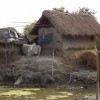
Seaweed Cultivation Ushers Waves of Change in the Sundarbans
In Bengal's mangrove forests, the effects of climate change are forcing men to leave their families in search of work. But now, seaweed farming is offering the women left behind financial stability and empowerment.
“Paris Is Not the End of a Climate Change Process but a Beginning”
Chilean President Michelle Bachelet says the climate summit in Paris “is not the end of a process but a beginning,” and that it will produce “an agreement that, although insufficient with respect to the original goal, shows that people believe it is better to move ahead than to stand still.”
Zimbabwe’s Long Road in Ending Poverty and Hunger
Noel Bhizori has a permanent post at a traffic light in Bulawayo’s central business district where he sells mobile phone recharge cards at a busy intersection.Opinion: Ending Child Marriage – What Difference Can a Summit Make?
The long-awaited African Girls’ Summit on Ending Child Marriage is here.
Opinion: Better Nutrition for Better Lives
Food systems are increasingly challenged to ensure food security and balanced diets for all, around the world. Almost 800 million people are chronically hungry, while over two billion people suffer from “hidden hunger,” with one or more micronutrient deficiencies. Meanwhile, over two billion people are overweight, with a third of them clinically obese, and hence more vulnerable to non-communicable diseases.
Uganda, Tanzania Need Gender Sensitive Climate Change Policies
Climate Change needs to be at the top of the country’s agenda, according to a project examining Uganda’s policies. It says the country hasn’t paid enough attention to climate change in national development and agriculture plans and this needs to be turned around before it’s too late.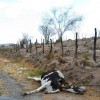
Drought Threatens Water-Truck Lifeline in Parched Northeast Brazil
For the rural community of Pacheco in northeastern Brazil, the local school has never been so important. It is now the only place in the drought-stricken area that has water on tap.
Women Suffer Psychological Problems After Living Under Taliban
“My two sons were killed by Taliban militants mercilessly three years ago. My husband died a natural death two year back. Now, I am begging to raise my two grandsons,” Gul Pari, 50, told IPS.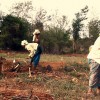
World’s Poorest Nations Battle Rising Rural Poverty
The world’s 48 least developed countries (LDCs), described as the poorest of the poor, are fighting a relentless battle against rising rural poverty.
El Salvador Forges Ahead in Fight Against Hunger
 In the last 15 years, El Salvador has managed to reduce the proportion of hungry people living in extreme poverty by four percentage points. But they still represent 12.4 percent of the population, according to the United Nations Food and Agriculture Organisation (FAO).

From Darkness to Light: Dramatic Rescue of Tanzanian Miners Trapped 41 Days in Rubble
The five artisanal miners who narrowly escaped death last week after a 41-day ordeal in a collapsed gold mine in northern Tanzania called their experience a living hell. They went through a myriad of emotions soon after having been freed.« Previous Page — Next Page »





 Romani people in Cairo, Egypt, forage through trash. Credit: UN Photo/Armineh Johannes
In 2015, the United Nations adopted the Sustainable Development Goals (SDGs) in an effort to promote “peace and prosperity for people and the planet.” To achieve that goal, it is essential to provide equal opportunities and access to basic services to all people. The 2025 UN SDG Report found that 35% of the 169 SDG targets are on track or making moderate progress, while 18% have reversed compared to the 2025 baseline. One in ten people still live in extreme poverty, one in eleven experience food insecurity, and over 1.1 billion people live in slums without access to clean water and sanitation. It is imperative to acknowledge the societal, technological, economic, and political issues that sustain poverty in countries around the world. Eradicating poverty will require significant frameworks in policy and governance on a national and international scale to ensure that all people will have equal access to basic services and economic opportunities by 2030. Furthermore, a dramatic reduction of United States foreign aid in 2025, including the termination of 83% of USAID programmes, threatens to erode years of fragile development gains.
Throughout the world, violent conflict and natural disasters also contribute to extreme poverty. The complete destruction of infrastructure and blockage of aid has significantly impoverished Palestine since October 7th. The destructive impact of Hurricane Maria in Puerto Rico left $91 billion in damage. An inadequate US government response also revealed significant and enduring questions within the issue of mitigating poverty: how do we rebuild infrastructure after its destruction? How do we restimulate economic development and bring in financial aid after disasters? Similar questions have been raised in the realm of regional cooperation, as devastating floods have wrecked hundreds of thousands of homes across multiple Southeast Asian nations in the past few years. Furthermore, the COVID-19 pandemic has greatly exacerbated the global poverty crisis, particularly in developing countries, setting back the United Nations goal of eradicating poverty by 2030.
IPS is committed to providing comprehensive features that focus on the persisting environmental, sociopolitical, and systemic issues that sustain poverty, and the steps taken worldwide towards poverty eradication.

The Week with IPS

NEXT STOP - SDGs
Tracking global progress towards a sustainable world
Tracking global progress towards a sustainable world

