
Friday, November 20, 2026



News and Views from the Global South
Climate Change
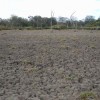
As Temperatures Rise in Sri Lanka, Drought Wreaks Havoc
It is a time of extreme heat and anxiety in Sri Lanka. Even the rains last week felt like a sudden burst of cold water on the smouldering asbestos sheets on most Sri Lankan household roofs, creating a blast of cold air before the heat returns once the rains end.
Shifting to Renewables in Japan – An Uphill Task
Renewable energy is emerging as the “clinch deal” in Japan`s painful power crisis that pits the government and business against public demand for zero nuclear power. But experts say the going is easier said than done.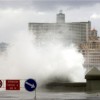
Feminine Creativity in the Face of Natural Disasters in Cuba
Blanca Lima raises all her appliances above flood level, puts boxes of clothes on top of wardrobes, and fills the shelves she installed near the ceiling with all kinds of objects. In less than an hour, she is ready to evacuate her home in case of a flood in the Cuban capital.
Philippines Floods Prompt Climate Action
This year’s floods, one of the worst in Philippine history, destroyed a staggering 57 million dollars worth of crops, pushing this climate vulnerable country to implement disaster risk reduction measures.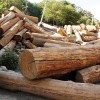
Whose Timber is it Anyway?
With Pakistan’s last major stands of deodar (cedar) threatened by a ‘timber mafia’, the local people in the Chitral district of Khyber Pakhtunkhwa province are resorting to direct action to stop the denudation of their picturesque alpine homeland.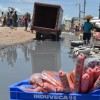
Marketing in the Mud Along the Dominican Border
Getting around on market day along the muddy border between the Dominican Republic and Haiti is almost impossible for those unfamiliar with the art of dodging the trucks, motorcycles and bicycles swerving amidst the messy piles of products scattered all over, and weaving among the hundreds of people coming and going between the two countries.
“The Truth is That All Problems Have Solutions” – Even Climate Change in Ethiopia
Eight years ago Kenbesh Mengesha earned an uncertain income collecting firewood from local government forests and selling them to her fellow slum-dwellers in Addis Ababa, Ethiopia. She would earn on average about 50 cents a day, if she was lucky.
Brazil Perfects Monitoring of Amazon Carbon Emissions
A new system to calculate the amount of greenhouse gases generated by deforestation in Brazil’s Amazon jungle region has come at a good time for assessing the effects of the reform of the country’s forest code.
Activists Protest Shell’s Arctic Oil-Drilling Plans
By mid-September, the Royal Dutch Shell Oil (Shell) group hopes to begin exploratory oil drilling in the Arctic Ocean off the coast of northern Alaska, provided it can secure federal permission from the U.S. government and overcome other logistical obstacles. But a prominent environmental group warns that drilling will do "irreparable damage" to the area.
Riding Towards Sustainable Development, on Bamboo
In Ghana, a country burgeoning with traffic congestion, increasing economic growth, and a stark urban-rural divide, making frames of bicycles out of bamboo could be the key to promoting sustainable development. It also makes stronger, longer-lasting bikes.
Beating the Weather With Sustainable Crops
Narrow, cobblestoned lanes separate the rows of mud houses with cool interiors and mud-smoothened patios, some with goats tethered to the wooden posts. This is Tajpura village, deep in this water-stressed, drought-prone region of northern India.As Green Climate Fund Finally Meets, Funding Remains Uncertain
Five months behind schedule, the board of the newest and largest international financing mechanism aimed at dealing with the effects of climate change, the Green Climate Fund, is finally slated to meet this week, just ahead of a late-summer deadline.
Food Activists See Portents of New and Deeper Hunger Crisis
Food rights activists from around the world will descend on the coastal U.S. state of Florida next week to protest homelessness and hunger facing millions of people in the United States and across the globe.
Biopolymers and the Dream of a Green Petrochemical Industry
Brazil leads global production of biopolymers, an industry that generates fewer greenhouse gas emissions than fossil fuel-based plastic manufacture. But "green plastics" made from sugarcane have a sour aftertaste.
U.N. Launches New Oceans Compact Following Expo 2012
As the three-month-long international exhibition Expo 2012 came to a close in the South Korean coastal town of Yeosu last week, the United Nations announced the launch of an "Oceans Compact" aimed at the preservation of marine resources worldwide.
U.S. Drought Exposes “Hydro-Illogical” Water Management
The historic drought withering much of the United States this summer has revealed a need for strategies to better manage water supplies that could remain under severe pressure both this year and in the longer term.
It’s Either Orangutans Or Cheap Palm Oil
When four men were sentenced to eight months in jail in March for the ‘murder’ of orangutans, it was the first time that people associated with Indonesia’s booming palm oil industry were convicted for killing man’s close relations in the primate family.
Discovering the Ancient Green Past of Argentina’s Arid Puna Plateau
The arid high Andean Puna plateau in northwest Argentina was much greener thousands of years ago. Climate changes forced the local inhabitants to develop adaptation strategies that could offer lessons for today, researchers say.
Droughts Bring Climate Change Home to Nepali Farmers
Farmers in this fertile central district of south Nepal are convinced that an intense drought between May and early July that destroyed their maize crops is the result of climate change.
Awareness of Climate Change Risks Low in Dominican Republic
One of the major difficulties to overcome in climate change adaptation policies in the Dominican Republic is society’s low awareness of the risks, even though this Caribbean island nation is seriously exposed to the impacts of the phenomenon.
Climate-Battered South Asia Looks to Rio+20 Formula
Far-flung South Asian communities, from the high Himalayan slopes to the Indian Ocean coasts, united in the face of extreme and uncertain weather, continue to hold on to the hope that the Rio+20 focus on disaster risk reduction (DRR) will positively influence national policies.« Previous Page — Next Page »


As unsustainable human consumption and production systems are driving changes in average temperatures and weather patterns, "abnormal" is increasingly becoming the norm. So far, a lack of financing has been standing in the way of a comprehensive global plan for climate adaptation, and a global financial crisis has contributed to an increasing reliance on public-private partnerships. Our Climate Change page provides you with the latest news about international and local efforts to address what's frequently been called "the challenge of our time", the forces behind the climate change and the impact it has on the world's most vulnerable populations. Along the way, we bring you stories on growing citizen awareness, new scientific data, and emerging climate policies towards sustainable development.

The Week with IPS

Tracking global progress towards a sustainable world

