
Wednesday, November 11, 2026



News and Views from the Global South
Gender Violence

Zanzibar’s Rising Violence Against Women
The story of Feiza*, an 18-year-old girl who was abducted and raped, is a bleak testament to the worsening plight of women in Tanzania’s semi-autonomous archipelago, Zanzibar.
Poverty Rises Amidst Gold
Natural reserves such as gold, copper, nickel, gas and timber are being extracted in the western Pacific island states of Papua New Guinea and Solomon Islands to feed the soaring economies of East and South East Asia. But despite these Pacific nations recording economic growth rates of 6-11 percent over the past seven years, opportunities for human development have not been grasped.
Growing Inequality Mars 20 Years of Women’s Progress
As the world moves closer to the 2015 end mark of the Millennium Development Goals (MDGs), a new U.N. report illuminates how far global society has come, but also how far it still must travel to achieve its objectives.
South Africa’s Law to Stop Hate Crimes Against Gays
“Every day I live in fear that I will be raped,” said Thembela*, one of thousands of lesbians across South Africa being terrorised by the scourge of “corrective rape”.
Prosecution of Forced Sterilisations in Peru Still Possible
Shelving the case of the forced sterilisations of more than 2,000 women in Peru during the Alberto Fujimori regime was a surprise move by the prosecutor in charge. What happened? An IPS investigation found that legal avenues to pursue justice have not been exhausted.
Dalit Women Face Multiplied Discrimination
Maya Sarki, a resident of Belbari in eastern Nepal, was returning home one summer evening last year when she was attacked. She was forced down on the ground and her attacker attempted to rape her.
Cyber Bullies Target Kenya’s Women
For a seasoned politician like Kenya’s Rachael Shebesh, few things hold her back from rallying for women’s rights. But when it comes to furthering her platform on social media - it is the one thing that this Nairobi County women’s representative avoids.
Human Trafficking Survivors Urge U.S. to Take Action
Advocacy groups and some legislators are calling on the U.S. government to mandate an increase in corporate supply chain transparency, with the aim of cutting down on the estimated 14,000 to 17,000 people trafficked into the United States each year and the tens of millions enslaved globally.
Political Duels Collapse Into Sexist Squabbles
Supaa Prordeengam, a 48-year-old businesswoman, came to take part in the anti-government rallies that have been continuing in the Thai capital for nearly three months now. But disturbed by the sexist speeches emanating from the protest platforms, she said, “We need to be critical, not invade women’s rights.”
When the Suicide Pilots Said Goodbye
They were known as the Kamikaze who swooped down on enemy ships with their bomb-laden planes – with the pilots inside. A museum here is now planning to register the last letters of Japan’s famed World War II suicide bombers as a Unesco Memory of the World document. The museum is calling these records “symbolic” of the country’s commitment to peace.
New Leader in CAR, Same Human Rights Crisis?
The appointment of a new transitional president, Catherine Samba-Panza, in the Central African Republic (CAR) is generating optimism in some quarters that the country’s first female leader will manage to quell mounting ethnic strife.
Hospitality, Agriculture Firms Vulnerable to Human Trafficking
Shareholders are calling on 15 U.S.-based multinational corporations to ensure that their global supply chains are not facilitating human rights abuses, particularly labour and sex trafficking.

Rebuilding Lives Skilfully
Farhat Bibi, 43, was left to fend for her three young sons after her husband was killed in a bomb attack in Pakistan’s Federally Administered Tribal Areas (FATA) three years ago. A few days later, she landed at a camp for people displaced by violence. “The camp proved to be a blessing in disguise,” she says.Towards a Change of Culture Leading to a Gender-Balanced Approach
The past three years have been very important to scale up the movement to protect the rights and fundamental freedoms of women and girls and, particularly, to eliminate female genital mutilation worldwide.
Assisting Rather than Deporting Trafficking Victims in Spain
María came to Spain from Paraguay to work as a housekeeper in a hotel. But it was a false job promise, and she ended up in a nightclub, where she was forced to work as a prostitute.
Ethiopia Swamped by Tidal Wave of Returned Migrants
The return of 120,000 young undocumented migrant workers from Saudi Arabia to Ethiopia has sparked fears that the influx will worsen the country’s high youth unemployment and put pressure on access to increasingly scarce land.
U.N. Advice to Aid Worker: Write Last Will Before Leaving Home
When Anoja Wijeyesekera, an aid worker with the U.N. children's agency UNICEF, received her new assignment in Taliban-ruled Afghanistan back in 1997, her appointment letter arrived with a "survival manual" and chilling instructions: write your last will before leaving home.Domestic Violence Rising on Kazakhstan’s Political Agenda
When banker Darkhan Botabayev tried to book a flight on Kazakhstan’s national airline last September, what started as a routine transaction turned into an assault that shocked the nation: Botabayev lost his temper and punched the young female ticket clerk in the face.Citizen Journalists Take the Lead on Gender Issues
Twenty-five-year-old Ragae Hammidi of Casa Blanca, Morocco wears two hats. Five days a week, she attends a business school. But on weekends, she is a journalist who goes out on the street with a small camera, shooting videos of people and issues that go untold by professional media outlets.
Indian Boys Get Lessons in Respect
In a shanty tucked inside Dharavi, described as Asia’s largest slum settlement, a little piece of theatre unfolds. Several young boys are heckled as they pretend to go vegetable shopping - and calling them names are young girls. The boys are embarrassed.
An African Dream Called Lampedusa
Youssef crossed the Sahara desert with a folded school map of Europe in his pocket. “Could you please point [out] Lampedusa in the map for me? I cannot find it.”« Previous Page — Next Page »





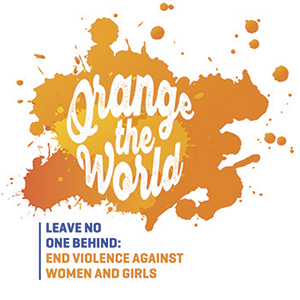
One in three women around the world have been subject to violence. Women face physical, sexual, and psychological violence in both public and private. Taking forms such as violence in the intimacy of a relationship, human trafficking, and sexual exploitation, gender violence is an issue that affects women in all countries. Only two-thirds of countries have outlawed domestic violence, leaving millions of women unprotected from abuse including from marital and de facto partners in many cases. Additionally, through human trafficking countless women are subjected to sexual exploitation and sexual violence, including horrific acts such as genital mutilation. Today many actors from individuals, to multinational organizations work to address these issues. These articles help to shed light on the violence that women experience every day and how its is being addressed.

The Week with IPS

Tracking global progress towards a sustainable world
