Languages
Friday, November 20, 2026



News and Views from the Global South
Headlines

Russian Dispute Over Drones Threaten to Escalate World Food Crisis
A war of words between Russia on the one hand, and the US, Britain, France and Germany on the other—specifically on the deployment of drones in Ukraine -- has triggered an unintended consequence: a new world food crisis. The Western powers last week asked the UN to verify whether Iranian drones were being used “illegally” in violation of the 2015 Security Council resolution 2231 which endorsed the Joint Comprehensive Plan of Action (JCPOA) on Iran’s disputed nuclear programme.
Artisanal Miners Ruining Already Diminishing Forests in Zimbabwe
With homemade tents scattered about, hordes of artisanal gold miners throng parts of Mazowe village in Zimbabwe’s Mashonaland Central Province, where they have cut down thousands of trees to process gold ore.
Migration for Many Venezuelans Turns from Hope to Nightmare
Thousands of Venezuelans who have crossed the treacherous Darien jungle between Colombia and Panama, or who have made the perilous journey through Central America and Mexico to reach the United States, have found themselves stranded in countries that do not want them, unable to continue their journey or to afford to return to their country.
Cambodia More Than Ever Squeezed Between Russia and the West
Cambodian Prime Minister Hun Sen walks into a diplomatic minefield these days. He supports UN resolutions against Putin but does not want to jeopardize the long-standing friendship with Russia. At the same time, he tries to be less dependent on the West, both economically and politically.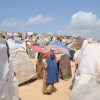
Droughts Don’t Need To Result in Famine: Ethiopia and Somalia Show What Makes the Difference
The Horn of Africa is facing its worst drought in 40 years. Scientists suspect that a multi-year La Niña cycle has been amplified by climate change to prolong dry and hot conditions.
What Does it take to Build a Culture of Equality & Inclusion at the UN? Reflections from Inside a Change Process
The organisational is personal. Every day since the two of us were asked back in 2020 to co-lead the process of culture transformation at UNAIDS, the United Nations organisation which drives global efforts to end AIDS, we have both felt at our very core how crucial it has been to get it right.
Will The Lettuce Outlast All This?
No. No lettuce, no matter how British it may be, could outlast such a steady depletion of the very foundation of life.
COP27 President Envoy on Youth: With Hurricanes, Floods, Heatwaves, Climate Change Cannot Be Ignored
COP 27’s official Youth Envoy, Dr Omnia El Omrani, realised the impact of climate change in 2017, and Hurricane Irma slammed Miami. As a doctor, she witnessed the influx of emergency patients into the hospital as a result of the hurricane, which piqued her interest in environmental and climate issues. She described it as a significant milestone in her life.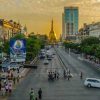
A New Political Reality in Myanmar: A People No Longer Willing to Accept Military Rule
The political, human rights and humanitarian crisis in Myanmar continues to take a catastrophic toll on the people, with serious regional implications.
How China Can Retire Coal Early in Pakistan and Elsewhere Through the BRI
With COP 27 approaching, pressure is mounting on wealthy countries to increase their support to poorer ones in the face of climate change. The recent floods in Pakistan have amplified this issue. China, as the world’s second largest economy, will similarly face increasing pressure to help other developing countries on climate.
War, Greed and Mass Manipulation
In his treatise On War, the Prussian general Carl von Clausewitz (1780–1831) stated that war is “merely a continuation of policy with other means”. With his experience from the Napoleonic Wars von Clausewitz knew that totalitarian regimes could end up conducting huge and ruthless military campaigns. Furthermore, he assumed that to win a war it is necessary to mobilize and indoctrinate the inhabitants of an entire nation. Such an endeavour is called total war, a term that actually can be applied to Putin’s war in Ukraine.
Swat Women Won’t Be ‘Duped’ by Militants This Time
The rise in militancy in Swat still haunts many locals with flashbacks of what they went through 15 years ago.
While Developing Nations Hang on to a Cliff’s Edge, G20 & IMF Officials Repeat Empty Words at Their Annual Meetings
Held in-person for the first time in three years, the annual meetings of the International Monetary Fund and World Bank last week in Washington, D.C. failed to offer solutions to the dozens of developing countries in debt distress or on the forewarned global recession instigated by monetary tightening.
Iranian Women Fight in the Streets, But Also from Home
It’s been over a month since Bayan, a 30-year-old Persian language teacher, last left her home in the Kurdish city of Piranshahr, 730 northwest of Tehran. Her parents believe they must protect her from what might happen to a protester in Iran.
Broken Relationship with Nature Exposed as Global Wildlife Population Plummets
Home to a variety of iconic and rare animal and plant species, freshwater lakes, rivers, waterfalls, and the expansive Indian Ocean coastline, Kenya’s place as a biodiversity hotspot has never been in doubt.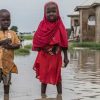
Climate Change Brings New Pest & Disease Pressures Previously Unimaginable
In temperate zones lie most of the world’s richest countries, which have also been up till now the world’s major breadbaskets, in meeting international grain, oilseed and livestock product needs.
Macroeconomic Policy Coordination More One-Sided, Ineffective
Widespread adverse reactions to the UK government’s recent ‘mini-budget’ forced new Prime Minister Liz Truss to resign. The episode highlighted problems of macroeconomic policy coordination and the interests involved.
Europe in Its Labyrinth
European politicians continue to run in all directions to find a way out of their energy crisis. One of them – Simonetta Sommaruga, the Swiss Environment Minister, asked people to ‘shower together’. Others are competing to grant the business of transporting energy from the North of Africa to the continent. All this is not new.
U.S. Political Divides on Demographic Issues
Given the upcoming midterm elections in the United States and the consequences of the outcome for domestic legislation and programs as well as the country’s foreign policy, it’s useful and fitting to review fundamental differences between America’s two major political parties on vital demographic issues.
Indian Village Unlocks Treasure of Organic, Indigenous Farming
At Jhargram, a far-flung village in India’s West Bengal state, a group of farmers sit together in one of the open fields. They debate, deliberate, and confabulate about the marketing strategy they should use when selling their harvest on the open market.
Austerity: A Raging Storm for the Developing World that can be Avoided
Finance ministers of the G20 and the world met in Washington, October 10-16, to discuss how to navigate multiple crises, including rising cost-of-living, broken global supply chains, climate shocks, and the lingering COVID-19 pandemic.« Previous Page — Next Page »


