Languages
Sunday, November 22, 2026



News and Views from the Global South
Headlines

Digital Media on the Frontline: Supporting the Ones who Support the Rest
For Dr Farzana Khan, a frontline worker and a second-generation immigrant from Pakistan living in California, social media helped her connect and realign herself during the COVID-19 pandemic.
The Importance of Being Listed: Why Politics Threaten the Protection of Children in Armed Conflict
Frontline workers who document and respond to violations against children have faced a particularly challenging last year, from the impact of Covid-19 on operations and child protection to the record levels of displacement worldwide to the ever-worsening threats from militaries and non-state armed groups.
Three Million in Three Years: Jamaica’s Tree-Planting to Tackle Climate Change
By the time he is finished, Dr. Satyanarayana Parvataneni expects he will be responsible for planting over 200,000 tree seedlings in Jamaica. It is an effort driven by a desire to preserve the planet for the next generation, as well as the one of the largest contributions to date to a national effort to plant three million trees in three years.
Boldly Finance Recovery to Build Forward Better
COVID-19 has become a “developing country pandemic”, retreating from the North’s mass vaccination. With developing countries heavily handicapped, the International Monetary Fund (IMF) warns of a “dangerous [new] divergence”.
Sowing Water: A Cuban Farm’s Bid for Sustainability
Cuban farmer José Antonio Casimiro found in the ageold technique of sowing water an opportunity to meet his farm's water needs and mitigate the increasingly visible effects of climate change.
Canada Must Acknowledge its Problematic Bill 21
The June 5th attack on the Muslim family in London, Ontaria, has left many in Canada in a state of shock. A driver intentionally struck the Afzaal family while they were out for a stroll, killing four, because of their Islamic faith. Canadian Prime Minister Justin Trudeau called the killing, “a terrorist attack and a brazen act of violence.”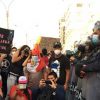
The Dictator’s Daughter or the Farmer’s Son?
Peru’s first round of elections on 11 April saw voters choosing between 18 presidential candidates with no one candidate leading by an impressive margin.
Kuciak Case Retrial An Opportunity to Break Global Cycle of Impunity in Journalist Killings
A ruling last week ordering a retrial in the murders of a Slovak journalist and his fiancée has led to a “unique” opportunity to break a global cycle of impunity in journalist killings, press freedom groups have said.
To Fund Grand Inga Using Green Hydrogen, Equity and Ethics Matter
Visions of Grand Inga, a proposed massive hydropower plant in the Democratic Republic of Congo (DRC) powering much of Africa, have excited energy experts, investors, and governments for decades. The announcements this week by the Australian company, Fortescue Metals Group, and its chairman, billionaire Andrew Forrest, of their plans to develop Inga for green hydrogen exports brings this vision a little closer to reality.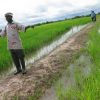
Africa Can Be Self-Sufficient in Rice Production
Every year, people in Sub-Saharan Africa consume 34 million tons of milled rice, of which 43 percent is imported. But the COVID-19 pandemic has greatly hampered supply chains, making it difficult for imported rice to reach the continent. Indeed, if immediate action is not taken, the supply shortfall will further strain the region’s food systems which are already impacted by the pandemic.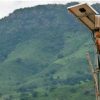
The Energy Revolution Is Here: How to Be Part of It
The industrial revolution took 100 years. The digital revolution, two decades. The next global revolution, the energy revolution, has already begun. But how fairly and how fast it happens is the biggest challenge of our time.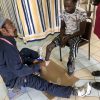
For People with Disabilities, COVID-19 Lays Bare the Weaknesses in Social Safety Nets
People with disabilities were particularly hard hit by the social and economic impacts of efforts to control COVID-19.
Call for Political Belt-tightening to Prevent Drought Becoming the Next Pandemic
“Drought is on the verge of becoming the next pandemic and there is no vaccine to cure it.”
The Caribbean Looks to Research for Answers to COVID-19, NCD’s and Climate Change Challenges
In 1956, the Caribbean held its first major scientific meeting, organised by the Standing Advisory Committee for Medical Research in the British Caribbean. At the time, the Mayaro Virus, a dengue-like viral disease often called ‘jungle flu’ had just been identified as a new human disease agent by W.G Downs and G.H Wattley in Trinidad.
Apocalypse Now? Christian Fundamentalists and COVID-19
Will a British ICC Chief Prosecutor be Brave Enough to Investigate UK & its Allies?
As British barrister Karim Khan QC begins his term as ICC chief prosecutor, his first steps should be to proceed with investigations into alleged war crimes involving UK allies in Afghanistan and Palestine.
‘Prison was Horrible but I Will Still do my Work as a Journalist’ – Jeffrey Moyo Upon Prison Release
International correspondent Jeffrey Moyo, who was a released from detention today after being arrested for breaching Zimbabwe’s Immigration Act by helping two foreign journalists work in the country, says press freedom is undermined when journalists cannot work undeterred.
To Reverse Food Insecurity Build a Climate Resilient Agricultural Sector
The number of people facing acute food insecurity has hit a five-year high, according to a recently released annual report by the Global Network Against Food Crises (GNAFC) - an international alliance of the United Nations, the European Union, governmental and non-governmental agencies working to tackle food crises. In addition, the report noted that 28 million people were one step away from starvation. This was attributed to conflict, economic shocks due to COVID-19 and climate change associated weather events.
Setting the Stage for Wars During a Global Pandemic
Looking through my emails for the last year, I was struck by how often the adjective “unprecedented” occurred. The term, of course, referred to the global Covid-19 pandemic. One would imagine that this unprecedented year would result in unprecedented trends in other aspects of life.
Central Sahel: Ground Zero in Tackling Climate Change Through Education
The climate crisis is amplifying the effects of instability and violence in the world’s poorest countries. Nowhere is this more visible than in Africa’s Central Sahel region, where increasing temperature, floods, droughts and other climate change-induced disasters are triggering conflicts, displacement, and pushing girls and boys into the shadows.
Soil for Survival: Countries Commit to Halt Land Degradation
India’s Prime Minister Narendra Modi has told the first United Nations General Assembly meeting on desertification and drought in a decade, that his country’s report card will show it is well on track to meet its land restoration commitments.
« Previous Page — Next Page »


