Languages
Saturday, September 5, 2026



News and Views from the Global South
Corruption

What Do Egyptians Know
During the uprising that ended Hosni Mubarak’s 29-year rule, Egyptian protesters stormed state security headquarters in Cairo. Inside they discovered a trove of documents – including surveillance reports on activists, transcripts of telephone conversations, and intercepted emails – that revealed the meticulous records the state kept on the activities of its citizens.
To Aid Afghanistan, Offer Less Aid
It is customary to focus on the amount of money the international community offers Afghanistan: the higher the sum and the longer the commitment, the lower the risk of further destabilisation. And so the 16 billion dollars pledged by the donors for the next four years at the Tokyo conference earlier this month has been widely welcomed. But such aid may not be quite the virtue it seems.
South Sudan Celebrates a Troubled First Birthday
The streets have been swept clean and lined with flags to mark the first anniversary of South Sudan’s independence. But cosmetic changes in the capital, Juba, mask deep concerns about the future of the world’s newest nation.
To Aid Afghans, Not Just Afghanistan
Afghanistan’s international donors will gather on Sunday in Tokyo for a conference at which they are expected to pledge economic aid, and ensure their assistance level will be maintained after withdrawal of ISAF-NATO troops, in 2014. But Afghan people and civil society groups working in the country say much of the aid is being directed the wrong way.New World Bank Chief Backs Defunding Bangladesh Bridge Project
On Monday, his first day in office, new World Bank President Jim Yong Kim said he sees the institution's recent decision to pull out of a massive bridge project in Bangladesh as "appropriate".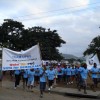
Waking Up to the Price of Corruption
Weeks ahead of a national election in Papua New Guinea, 3000 people gathered in the capital, Port Moresby, for the sixth annual Sir Anthony Siaguru Walk against Corruption organised by Transparency International, PNG, to peacefully protest about an issue that affects every aspect of citizens’ lives.
Building a Company in Mozambique – One Peanut at a Time
When you board Mozambique’s national carrier, Linhas Aéreas de Moçambique, you will most likely be given small blue packets of peanuts to munch as the jet whisks you from the country’s capital, Maputo, to as far afield as Europe. Sugar, salt or chilli flavour. Take your pick.
Thai Criminal Court in Line of Fire
From its imposing 14-storey building, Thailand’s criminal court hands down verdicts that rarely trigger a backlash. Those condemned to long imprisonment include Thais who supposedly violated the draconian lese majeste censorship law that protects this Southeast Asian country's monarchy.
Dirty Money Still Untouched in Mexico
"You don’t close down a bank by arresting the tellers." That phrase, from Argentine expert Edgardo Buscaglia, illustrates the challenge of the fight against money coming from illegal activities in Mexico.Tangled Web of Corruption Debilitates Mexico
Although Mexico has signed several multilateral anti-corruption agreements, so far these instruments have yielded few concrete results in combating the rampant bribery, extortion and embezzlement, according to experts.
Journalism is Not ‘More Fun’ in the Philippines
Reporters working in the Philippines, the world’s third most dangerous nation for journalists, are having difficulty identifying with the "It’s More Fun in the Philippines" tourism promotion campaign launched by the Liberal Party-led government of President Benigno Aquino III.Mubarak Still Has His Billions
More than a year since president Hosni Mubarak was removed from power, the money he allegedly syphoned from Egypt during his 29-year rule remains beyond the reach of authorities attempting to recover it.
U.S. Corporations Sponsor Carbon Scam in Europe**
Major publicly traded U.S. corporations, including Dow Chemical, ConocoPhillips, Chevron and Cabot Corporation, have secured multi-million-dollar dubious carbon credits to compensate for their greenhouse gas emissions in Europe, as revealed in this investigative report.Chinese Miners Dig Deep for Death
China is notorious for containing some of the world’s deadliest mines - a reputation that has been corroborated in recent months by a series of fatal accidents. China is the world’s largest consumer and producer of coal. But the mining industry is beset by illegal operations, dangerous working conditions, local corruption and cover-ups of fatalities.Pakistan PM Found Guilty in Contempt Case
Pakistani Prime Minister Yousuf Raza Gilani has been convicted by the country's Supreme Court of having committed contempt of court in a case that could see him expelled from office.
Not for a Woman in Amman
Two young women in brightly coloured hijabs and tight jeans stand on the edge of a freeway as cars whiz by. They watch the traffic, heavy in Amman where car ownership is skyrocketing by 10-15 percent a year. When there’s a break in the steady flow of vehicles, the women hold hands and race across the road.
After Ten Years of Peace, “Angola’s Future is Dark”
Angola is celebrating 10 years of peace on Apr. 4. Since the end of its 27-year- long civil war in 2002, the country’s economy has prospered thanks to oil. But experts fear that parliamentary elections later this year could return the country to violence and instability.Malaysian Socialists on Bumpy Road to Revival
As Prime Minister Najib Razak prepares to dissolve parliament for snap polls, Malaysia’s socialists are seeing an opportunity to make a comeback after nearly five decades in the political wilderness.Mubarak Cronies Find Comfort in Exile
Wanted members of the regime of former president Hosni Mubarak remain at large more than a year since he was ousted, and their illicit wealth lies safely beyond the reach of prosecutors.Regional Leaders Give Mali Junta Three Days to Step Down
West African heads of state meeting in Côte d'Ivoire have given Mali's military junta three days to restore constitutional order and step down – or face a range of diplomatic and economic sanctions.Malaysia Weighs Minimum Wage Policy
Malaysia plans to introduce a national minimum wage for its workers against stiff opposition from employers and manufacturers who warn that such a policy would shut down nearly 200,000 small and medium enterprise (SME) units.« Previous Page — Next Page »


The Week with IPS

NEXT STOP - SDGs
Tracking global progress towards a sustainable world
Tracking global progress towards a sustainable world
