Languages
Tuesday, November 10, 2026



News and Views from the Global South
IPS UN Bureau Report
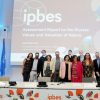
Narrow Valuation of Nature is Widening Biodiversity Loss
Nature has diverse values for different people, but it is poorly evaluated, and this is driving the global biodiversity crisis, top scientists say in a new report.
India & China Continue to Lead –as World Population Projected to Reach 8.0 Billion
India and China, two Asian nuclear powers who are also longstanding rivals embroiled in the geo-politics of the Indian Ocean region, have remained two of the world’s most populous nations accounting for over a billion people each. But as the world’s population reaches the 8.0 billion mark, come November, India is projected to surpass China.
Myths Fuel Xenophobic Sentiment in South Africa
Around the world, from Syria to Libya, from Bangladesh to Ukraine, millions have become refugees in foreign lands due to war, famine, or political and economic instability in their countries.
The Camel, the Needle– and the UN’s first Woman Secretary-General
A 2.0 version of an ancient Biblical saying reads: It is easier for a camel to pass through the eye of a needle than for a woman to become the Secretary-General of the United Nations. The male/female ratio for the Secretary-General stands at 9 vs zero. And the Presidency of the General Assembly (PGA), the highest policy-making body at the UN, is not far behind either.
Rights Groups Question ‘Pregnancy Register’ for Polish Women
Women’s rights groups fear a new legal provision in Poland requiring doctors to collect records on all pregnancies could create what they have described as a ‘pregnancy register’ to monitor whether women are having abortions.
Why We Need a Digital Safe Space for LGBTQ Youth – Thoughts from Asian Teens
Recently, I watched a documentary titled Why We Can’t See Disabled People [in Korea].
Nature-Positive Ventures Crucial for Africa’s future, say experts at Africa Green Economy Conference
Africa’s unique natural capital assets were the center of conversation at the 2022 Africa Green Economy Conference. Held in a hybrid format from June 27 to 30, participants gathered to discuss the value of nature in Africa’s economy and call for more nature-positive ventures in development.
IPBES to Release New Assessments on the Values of Biodiversity and Sustainable Use of Wild Species
Speaking to IPS about the importance of biodiversity and nature's contributions to people, Dr Anne Larigauderie, Executive Secretary of the Intergovernmental Platform on Biodiversity and Ecosystem Services (IPBES), stressed the importance of moving from knowledge and policy silos to a more integrated approach to achieving the Sustainable Development Goals (SDGs), especially those related to food, water, health, climate change, and energy, which can only be achieved together with the two goals related to biodiversity.
IPBES Shoring up Private Sector Support for Biodiversity Science
In the twin crises of climate change and biodiversity loss, the changing climate often eclipses the loss of ecosystems and species in funding and awareness.
A Voice for African Wildlife: A Conversation with Kaddu Sebunya
The CEO of the Nairobi-based African Wildlife Foundation, Kaddu Sebunya – in London to mark AWF’s 60th anniversary while fundraising and lobbying – shares his thoughts with IPS on the climate and food crises, how Africans have their voice, why western countries need a ‘reset’ with Africa, what Prince Charles should say to the Commonwealth, how China is eating western ‘cake’, and what worries him more than anything else.
UN’s “No-Fly List” on Sexual Harassment Falls Short, Complains Rights Group
The United Nations has continued to crackdown on sexual harassment system-wide since 2017 while its “whistle blower protection policy” has provided “protective status” for nearly 68 UN staffers who reported wrong doing. But Equality Now, an international human rights organization, is accusing the UN of faltering on its longstanding “zero-tolerance” policy.
Bangladesh Flood Victims Cry for Relief
After losing everything in the recent devastating flood that swept the northeastern districts in Bangladesh, pregnant mother Joynaba Akter, her three children and her husband took refuge in a shelter centre at Gowainghat in Sylhet.
Sharing Minds Can Change the World
Parasite, a Korean black comedy film directed by Bong Joon-ho, shows the story of a poor family who infiltrated the household of an affluent family by getting employment by pretending to be highly qualified persons.
Global Biodiversity Agenda: Nairobi Just Added More to Montreal’s Plate
As the last working group meeting of the Post 2020 Global Biodiversity Agenda concluded here on Sunday, the delegates’ job at COP15 Montreal just got tougher as delegates couldn’t finalize the text of the agenda. Texts involving finance, cost and benefit-sharing, and digital sequencing – described by many as ‘most contentious parts of the draft agenda barely made any progress as negotiators failed to reach any consensus.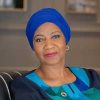
‘When it Comes to Gender Equality, Our Best is Not Good Enough’: says Dr Phumzile Mlambo-Ngcuka
 The Covid-19 pandemic has impacted lives all over the world. According to this report, gender is emerging as a significant factor in the social, economic and health effects of Covid-19. Women have been hit much harder socially and economically than men. The greatest and most persistent gender gap was seen in employment and uncompensated labour, with 26% of women reporting loss of work compared with 20% of men globally in September 2021.

Centering Gender in the Next Biodiversity Agenda: A Long Way to Montreal
“I often hear, ‘What do women have to do with biodiversity?' And I want to ask them back, 'What do men have to do (with biodiversity)?’,” says Mrinalini Rai, a prominent gender equality rights advocate at the 4th Meeting of the Open-Ended Working Group of the UN Biodiversity Convention, which started this week in Nairobi.
International Relief Effort After Deadly Afghan Earthquake Displaces Thousands
Survivors of the deadly earthquake that hit Afghanistan’s Paktika and Khost provinces told of their losses while being treated in hospitals in neighboring Pakistan after a 5.9-magnitude quake killed at least 1000 and displaced thousands more in the early hours of June 22, 2022.
Indigenous Communities Want Stake in New Deal to Protect Nature
In early June 2022, more than 30 people from the Maasai community in the Loliondo division in Tanzania’s northern Ngorongoro District were reportedly injured, and one person died following clashes with security forces over the demarcation of their ancestral lands for a new game reserve.
Urgent Global Call to Save 222 Million Dreams for Children Impacted by Crises
It is not enough that they were robbed of their childhoods and their shattered young lives defined by bombs, bloodshed and death. Now, crisis-impacted school-aged children are falling off the academic bridge that could lead them out of the carnage.
Tobacco Consumption Slows in the West, Grows in Africa, say Researchers
Cigarette smuggling has emerged as one of the most lucrative enterprises between Zimbabwe and South Africa, with border authorities seizing contraband worth millions of dollars in recent years.
Plastic Pollution Will Kill All of Us!
Have you ever watched the movie “Free Willy”? A young boy, Jesse, had an Orca whale friend named Willy. Jesse freed Willy into the wild ocean believing that it was the best decision to make for his friend. Well, that was a long time ago.« Previous Page — Next Page »





The Week with IPS

NEXT STOP - SDGs
Tracking global progress towards a sustainable world
Tracking global progress towards a sustainable world
