Languages
Saturday, November 7, 2026



News and Views from the Global South
Millennium Development Goals (MDGs)

“A New Dawn Rises over Malawi”
It would be too simplistic to think that Malawi’s problems have ended with the death of President Bingu wa Mutharika. But it is an opportunity for newly appointed President Joyce Banda, who is also leader of the opposition People’s Party, to step up and offer a new and more responsive style of leadership.Will Climate Refugees Get Promised Aid?
With extreme weather pounding countries across a wide arc in the Asia-Pacific region, questions hover over entitlements for millions of people displaced by climate change, pledged under the Green Climate Fund (GCF) and other sources.
Put Food Crisis on G8’s Plate, Group Urges
Days before the annual White House Easter Egg Roll, anti- poverty advocates staged their own egg hunt in Lafayette Park to urge President Obama to "find political will to end global hunger" during the upcoming G8 Summit at Camp David.
Full Access to Justice Elusive for Women in Latin America
Only a small proportion of women in the region whose rights are undermined achieve full access to justice, says a collective of women’s organisations from eight countries of Latin America.
Guatemala – Regional Leader in Teen Pregnancies
Teenage pregnancies are on the rise in Guatemala, along with the drop-out rate in schools, family breakdown and many other related social ills.Young Ivorians Fishing Big Profits out of Small Ponds
Mathieu Djessan looks over the four-hectare expanse of fish ponds with satisfaction. The aquaculture enterprise the 29-year-old runs here near the town of Tiassalé in southern Côte d'Ivoire is quickly proving profitable.
The Battle over Development-Led Globalisation
Industrialised countries have mounted an unprecedented campaign to stop the United Nations Conference on Trade and Development from providing policy advice to the poorest countries in Africa and across the globe.
Where Bees Reform Gangsters
In the Kamanabe area of the rural Eastern Highlands in Papua New Guinea (PNG), a village gang has relinquished crime and is striving to contribute to the sustainable future of the local community with a honeybee income generating initiative.
Europe Urges More Development Aid for Women
Though United Nations experts agree that governments should focus on empowering girls and women as a key to managing a world of seven billion people, not enough is being done for women’s rights in developing countries, aid advocates say.
Oil Drilling Threatens Spain’s Renewable Energy Paradise
Environmentalists and local authorities are opposed to prospecting for oil in the waters off the Canary Islands, one of Europe’s leading tourist destinations and an area with great potential in the field of renewable energy.
U.N. Warns of Staggering Urbanisation in Asia, Africa
Asia and Africa will account for a hefty 86 percent of all increases in the world's urban population in the next four decades, the United Nations said in a report released Wednesday.
Nepal’s Rural Women Seek Justice
Women in Nepal’s remote rural areas stood shoulder-to-shoulder with their men during the bloody 1996-2006 civil war that overthrew an oppressive monarchy, but many now battle domestic violence at home.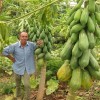
Brazil Defends Credentials as Rio+20 Host
The government of Brazil, which will host the United Nations Conference on Sustainable Development (Rio+20) in June, defended itself from ecologists who lambasted its performance on the environmental front.European NGOs Put IFIs Under Microscope
European civil society organisations continue to demand that international financial institutions (IFIs) such as the World Bank and the International Monetary Fund apply the same standards of transparency and accountability to their internal affairs that they demand for governments across the world.
Mexico’s Corn Festivals – a Haven from Transgenic Crops
Catalina Salvador, an 87-year-old peasant farmer who grows pumpkins, beans, and above all corn on her small plot of land, was one of the opponents of transgenic crops who took part in the traditional corn festival in San Juan Ixtenco in the central Mexican state of Tlaxcala.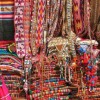
Native Andean Women Weave a Future in Bolivia
Their skill and dexterity in weaving textiles, to be worn on festive occasions or displayed in windows for sale to tourists, have become the mainstay of indigenous women and their families in Cochabamba, Bolivia.
‘Slum Cities’ Need Better Planning
Sri Lanka’s capital city Colombo, the vibrant economic and administrative heart of the bustling island nation, is rapidly turning into a city of slums. Home to over 30 percent of the country’s population, one in every two people living in the Greater Colombo Area is a slum dweller.
Where Men Now Fear to Tread
No man, except for those raised here as children, lives in Umoja village in Kenya; one has not for two decades. It is a village only of and for women, women who have been abused, raped, and forced from their homes.
Latrines Critical to Keeping Kids in South Sudan’s Schools
Before Bor B Primary School built latrines on the school grounds two years ago, students would leave during their first break to head home. Most did not come back until the next morning.
After Ten Years of Peace, “Angola’s Future is Dark”
Angola is celebrating 10 years of peace on Apr. 4. Since the end of its 27-year- long civil war in 2002, the country’s economy has prospered thanks to oil. But experts fear that parliamentary elections later this year could return the country to violence and instability.South Africa Looking to Make the Most of BRICS Membership
South Africa needs to stop agonising over whether it deserves to be in BRICS and start focusing on making the most of its membership to leverage better trade deals.« Previous Page — Next Page »





The Week with IPS

NEXT STOP - SDGs
Tracking global progress towards a sustainable world
Tracking global progress towards a sustainable world
