Languages
Sunday, November 8, 2026



News and Views from the Global South
Poverty & MDGs
Nearer the Church, Farther From MDGs
When Philippines President Benigno Aquino III delivered his annual state of the union address in July, he appealed to the country’s lawmakers to break a deadlock on progressive birth control laws in this predominantly Catholic nation.Gun Violence a Growing Concern in Papua New Guinea
In Papua New Guinea, the largest island nation in Melanesia in the southwest Pacific, where more than 60 percent of major crimes involve guns, a burgeoning illegal arms trade is associated with lack of employment growth and low human security, with vulnerable communities suffering the consequences.
Debate on Asbestos Safety Reaches Brazil’s Supreme Court
Brazil’s Supreme Court is assessing the level of risk posed by asbestos to human health, while industry defends its use under controlled conditions, and associations of people with asbestos-related diseases argue that it should not be used under any circumstances, even with regulations.A Green Gold Mine in the Heart of the DRC Capital
A disused cemetery in the heart of Kinshasa, the capital of the Democratic Republic of Congo, has been transformed into a profitable urban garden. Relying on compost they make themselves on the site, a small group of gardeners are enjoying plentiful returns.
Men and Women Farming Together Can Eradicate Hunger
Three years ago, the residents of the semi-arid Yatta district in Kenya’s Eastern Province lived on food aid due to dwindling crops of maize that could not thrive because of the decreased rainfall in the area. That was until a local bishop, trying to find ways to prevent mothers from forcing their teenage daughters into prostitution, changed everything.
Q&A: “Another Chile Is Possible, with Greater Democracy and Social Rights”
It is essential for young people in Chile to assume a more active role in politics, especially in two key electoral processes: the municipal elections in October and the legislative and presidential vote in 2013, says student leader Camila Vallejo, who has not ruled out running for a seat in parliament herself.Five Years of Protests in Nicaragua for a Partial Pension
Luisa Gutiérrez, 65, dances a frenzied mambo on an unusual dance floor: a street in the Nicaraguan capital. Dozens of cars line up behind her, honking their horns impatiently, while she, surrounded by elderly people with canes, walkers and protest signs, dances to demand a government pension.Burkina Faso’s VIPs – Very Important People Championing Ventilated Improved Pit Latrines
For far too many households in Burkina Faso, going to the toilet means heading for the bush. The Burkinabè government has launched a new campaign to change this, calling on prominent personalities as both sponsors and champions.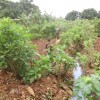
Farming Among the Waste in Cameroon
Cameroonian urban famer Juliana Numfor has six plots of land where she grows maize, cassava, sweet potatoes and leafy vegetables, including cabbages, wild okra and greens.Biomass Plant Lights up Rural Senegal
A new power plant in the eastern Senegalese village of Kalom is generating more than just electricity. Powered by agricultural waste, the station has lit up homes, lightened women's domestic burdens and even put a little money in some residents' pockets.
As Temperatures Rise in Sri Lanka, Drought Wreaks Havoc
It is a time of extreme heat and anxiety in Sri Lanka. Even the rains last week felt like a sudden burst of cold water on the smouldering asbestos sheets on most Sri Lankan household roofs, creating a blast of cold air before the heat returns once the rains end.
Q&A: Rescuing Child Soldiers in CAR
The protection of children remains critical in the Central African Republic, where parents willingly give their children to armed groups in exchange for protection and services.
Argentina – The Promised Land for South American Neighbours
"The new buildings in the Argentine capital were built by Paraguayans,” Isidro Méndez says with some pride. The 60-year-old immigrant, who runs a construction company, is one of the hundreds of thousands of foreigners who came to this country with hopes for a better future.
Palestinians Find Refuge Across the Atlantic
Issam Ali Hassan spent more than four years in an isolated desert camp in Jordan before he was taken in by Brazil. The son of Palestinians had been living as a refugee in Baghdad when he had to escape after the United States invaded Iraq in 2003.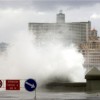
Feminine Creativity in the Face of Natural Disasters in Cuba
Blanca Lima raises all her appliances above flood level, puts boxes of clothes on top of wardrobes, and fills the shelves she installed near the ceiling with all kinds of objects. In less than an hour, she is ready to evacuate her home in case of a flood in the Cuban capital.
Q&A: Smallholder Farmers Driving New Trend Against Climate Change
Small-scale irrigation schemes can provide the biggest opportunity for boosting food security in Africa, according to Meredith Giordano, the research director at the International Water Management Institute.
“Justice Fallen to the Wayside” in South Sudanese County
South Sudanese soldiers are allegedly beating and torturing civilians in the midst of a disarmament campaign in Jonglei state, and many have been unable to access justice because of a lack of prosecutors and judges, according to the United Nations and Human Rights Watch.
Gangs and Government Put Their Cards on the Table in El Salvador
The two main youth gangs in El Salvador and the government have exchanged the main points they would like to discuss in talks aimed at bringing to an end to two decades of spiraling criminal violence. But the media, legislators and the public at large remain hostile to the possible start of negotiations.
“Operation No Back Way to Europe” Keeps Young Farmers at Home in Gambia
Mohamed Ceesay, a 20-year-old farmer from the Central River Region in the Gambia, is a high school dropout. But thanks to an initiative to discourage local youths from emigrating to Europe, he earns almost half the salary of a government minister from his rice harvest.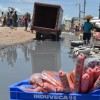
Marketing in the Mud Along the Dominican Border
Getting around on market day along the muddy border between the Dominican Republic and Haiti is almost impossible for those unfamiliar with the art of dodging the trucks, motorcycles and bicycles swerving amidst the messy piles of products scattered all over, and weaving among the hundreds of people coming and going between the two countries.
“The Truth is That All Problems Have Solutions” – Even Climate Change in Ethiopia
Eight years ago Kenbesh Mengesha earned an uncertain income collecting firewood from local government forests and selling them to her fellow slum-dwellers in Addis Ababa, Ethiopia. She would earn on average about 50 cents a day, if she was lucky.« Previous Page — Next Page »





