Languages
Thursday, November 19, 2026



News and Views from the Global South
Poverty & SDGs
Canadian Budget Cuts Ripple Overseas
The Canadian development community is concerned that the government's international assistance commitment to poor nations is waning in the interest of fiscal responsibility and that Ottawa instead prefers to forge ties with middle-income nations for commercial purposes.
The Business of South Africa’s Garbage
Nokwanda Sotyantya sits among heaps of garbage and patiently sorts through it, separating cardboard, plastic, glass, paper and metal, piece by piece. The recycled piles of trash are then weighed and sold to packaging manufacturers in South Africa that reuse the materials to create new products.
HIV Compounds Poverty in Nepal
Life, already hard in Nepal’s remote western region, is getting worse thanks to HIV infection brought back by men who go to neighbouring India for seasonal work.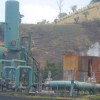
Green Economy or Clean Energy With Equity for Latin America
Latin America and the Caribbean have the potential to uncouple regional economic growth from fossil fuel consumption and develop a "green economy" based on cleaner energy sources, while at the same time reducing social inequalities.
Niger Onion Producers in Tears Over Market Glut
Bitterness is written all over Boureïma Hamado's face as he prepares to return home after selling his onion crop at the Katako market in the Nigerien capital, Niamey. He's taken a big loss on the harvest.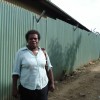
Sorcery-Related Violence on the Rise in Papua New Guinea
An increase in sorcery-related violence and fatalities over the last decade in Papua New Guinea is generating awareness about the lack of development, economic opportunities, inequality and under-resourced health services in rural areas.
“A New Dawn Rises over Malawi”
It would be too simplistic to think that Malawi’s problems have ended with the death of President Bingu wa Mutharika. But it is an opportunity for newly appointed President Joyce Banda, who is also leader of the opposition People’s Party, to step up and offer a new and more responsive style of leadership.Will Climate Refugees Get Promised Aid?
With extreme weather pounding countries across a wide arc in the Asia-Pacific region, questions hover over entitlements for millions of people displaced by climate change, pledged under the Green Climate Fund (GCF) and other sources.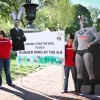
Put Food Crisis on G8’s Plate, Group Urges
Days before the annual White House Easter Egg Roll, anti- poverty advocates staged their own egg hunt in Lafayette Park to urge President Obama to "find political will to end global hunger" during the upcoming G8 Summit at Camp David.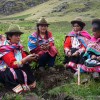
Full Access to Justice Elusive for Women in Latin America
Only a small proportion of women in the region whose rights are undermined achieve full access to justice, says a collective of women’s organisations from eight countries of Latin America.
Guatemala – Regional Leader in Teen Pregnancies
Teenage pregnancies are on the rise in Guatemala, along with the drop-out rate in schools, family breakdown and many other related social ills.Young Ivorians Fishing Big Profits out of Small Ponds
Mathieu Djessan looks over the four-hectare expanse of fish ponds with satisfaction. The aquaculture enterprise the 29-year-old runs here near the town of Tiassalé in southern Côte d'Ivoire is quickly proving profitable.
The Battle over Development-Led Globalisation
Industrialised countries have mounted an unprecedented campaign to stop the United Nations Conference on Trade and Development from providing policy advice to the poorest countries in Africa and across the globe.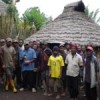
Where Bees Reform Gangsters
In the Kamanabe area of the rural Eastern Highlands in Papua New Guinea (PNG), a village gang has relinquished crime and is striving to contribute to the sustainable future of the local community with a honeybee income generating initiative.
Europe Urges More Development Aid for Women
Though United Nations experts agree that governments should focus on empowering girls and women as a key to managing a world of seven billion people, not enough is being done for women’s rights in developing countries, aid advocates say.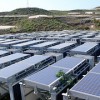
Oil Drilling Threatens Spain’s Renewable Energy Paradise
Environmentalists and local authorities are opposed to prospecting for oil in the waters off the Canary Islands, one of Europe’s leading tourist destinations and an area with great potential in the field of renewable energy.
U.N. Warns of Staggering Urbanisation in Asia, Africa
Asia and Africa will account for a hefty 86 percent of all increases in the world's urban population in the next four decades, the United Nations said in a report released Wednesday.
Nepal’s Rural Women Seek Justice
Women in Nepal’s remote rural areas stood shoulder-to-shoulder with their men during the bloody 1996-2006 civil war that overthrew an oppressive monarchy, but many now battle domestic violence at home.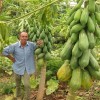
Brazil Defends Credentials as Rio+20 Host
The government of Brazil, which will host the United Nations Conference on Sustainable Development (Rio+20) in June, defended itself from ecologists who lambasted its performance on the environmental front.European NGOs Put IFIs Under Microscope
European civil society organisations continue to demand that international financial institutions (IFIs) such as the World Bank and the International Monetary Fund apply the same standards of transparency and accountability to their internal affairs that they demand for governments across the world.
Mexico’s Corn Festivals – a Haven from Transgenic Crops
Catalina Salvador, an 87-year-old peasant farmer who grows pumpkins, beans, and above all corn on her small plot of land, was one of the opponents of transgenic crops who took part in the traditional corn festival in San Juan Ixtenco in the central Mexican state of Tlaxcala.« Previous Page — Next Page »


 Romani people in Cairo, Egypt, forage through trash. Credit: UN Photo/Armineh Johannes
In 2015, the United Nations adopted the Sustainable Development Goals (SDGs) in an effort to promote “peace and prosperity for people and the planet.” To achieve that goal, it is essential to provide equal opportunities and access to basic services to all people. The 2025 UN SDG Report found that 35% of the 169 SDG targets are on track or making moderate progress, while 18% have reversed compared to the 2025 baseline. One in ten people still live in extreme poverty, one in eleven experience food insecurity, and over 1.1 billion people live in slums without access to clean water and sanitation. It is imperative to acknowledge the societal, technological, economic, and political issues that sustain poverty in countries around the world. Eradicating poverty will require significant frameworks in policy and governance on a national and international scale to ensure that all people will have equal access to basic services and economic opportunities by 2030. Furthermore, a dramatic reduction of United States foreign aid in 2025, including the termination of 83% of USAID programmes, threatens to erode years of fragile development gains.
Throughout the world, violent conflict and natural disasters also contribute to extreme poverty. The complete destruction of infrastructure and blockage of aid has significantly impoverished Palestine since October 7th. The destructive impact of Hurricane Maria in Puerto Rico left $91 billion in damage. An inadequate US government response also revealed significant and enduring questions within the issue of mitigating poverty: how do we rebuild infrastructure after its destruction? How do we restimulate economic development and bring in financial aid after disasters? Similar questions have been raised in the realm of regional cooperation, as devastating floods have wrecked hundreds of thousands of homes across multiple Southeast Asian nations in the past few years. Furthermore, the COVID-19 pandemic has greatly exacerbated the global poverty crisis, particularly in developing countries, setting back the United Nations goal of eradicating poverty by 2030.
IPS is committed to providing comprehensive features that focus on the persisting environmental, sociopolitical, and systemic issues that sustain poverty, and the steps taken worldwide towards poverty eradication.

The Week with IPS

NEXT STOP - SDGs
Tracking global progress towards a sustainable world
Tracking global progress towards a sustainable world

