
Friday, November 6, 2026



News and Views from the Global South
Environment

– Youth Demand Action on Nature, Following IUCN’s First-Ever Global Youth Summit –
On the occasion of World Environment Day, 5 June 2021, drawing from IPS’s bank of features and opinion editorials published this year, we are re-publishing one article a day, for the next two weeks. The original article was published on April 23 2021
– Indonesia’s Climate Villages Where Communities Work Together to Mitigate Climate Change –
On the occasion of World Environment Day, 5 June 2021, drawing from IPS’s bank of features and opinion editorials published this year, we are re-publishing one article a day, for the next two weeks. The original article was published on April 7 2021
– Conserving Tigers, Elephants and Bison, One LPG Stove at a Time –
On the occasion of World Environment Day, 5 June 2021, drawing from IPS’s bank of features and opinion editorials published this year, we are re-publishing one article a day, for the next two weeks. The original article was published on April 1 2021
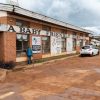
Wards Without Water
Malawian healthcare workers are facing challenges from all sides. More than half of healthcare facilities in Malawi are without handwashing facilities, almost two thirds have no decent toilets and almost one fifth do not have clean water on site.
Why Latin America is the Middle East of Biofuel
Latin America has lots of natural advantages for the coming energy transition. It already has the greenest power matrix in the world. While having the planet’s largest reserves of copper make it a key provider for international electrification programmes.
– A Growing Shift in the Narrative about Climate Action –
On the occasion of World Environment Day, 5 June 2021, drawing from IPS’s bank of features and opinion editorials published this year, we are re-publishing one article a day, for the next two weeks. The original article was published on February 25 2021
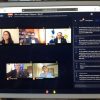
Energy Transition Evolves in Central America and the Caribbean
The situation of the energy transition in Central America and the Caribbean was the main issue debated this Friday 21st in the sessions at the XXX La Jolla Energy Conference, which is attended virtually by high officials, business delegates and analysts from the region.
Tired with Tokenism, Youth Launch ‘Stronger Campaign’ for UN Biodiversity Day
The Global Youth Biodiversity Network (GYBN) has put leaders and policymakers on notice that they are not willing to listen to the same conversations, suggestions and unmet promises, as the world faces a biodiversity crisis.
– The Global Insecurity of Climate Change –
On the occasion of World Environment Day, 5 June 2021, drawing from IPS’s bank of features and opinion editorials published this year, we are re-publishing one article a day, for the next two weeks. The original article was published on February 24 2021

Exclusive: Mauritius’ First Female President on Why We Need Science Diplomacy to Address Major Challenges
If we want to address the great challenges this world is facing, we have to factor in science into all our narratives, according to Dr. Ameenah Gurib-Fakim, the first woman president of Mauritius and renowned biodiversity scientist.
– UN Blueprint that Could Urgently Solve Earth’s Triple Climate Emergencies –
On the occasion of World Environment Day, 5 June 2021, drawing from IPS’s bank of features and opinion editorials published this year, we are re-publishing one article a day, for the next two weeks. The original article was published on February 19 2021
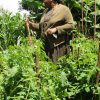
County Climate Risk Profiles Critical and Timely for Kenya’s Struggling Smallholders
Peris Wanjiku, a smallholder farmer in Othaya, Nyeri County, which lies approximately 152 kilometres from Kenya's capital, Nairobi, has watched as her fellow farmers have slowly started to sell off their land in the face of increasingly erratic weather patterns.
International Cooperation Gives Biogas a Boost in Rural Cuba
Yunia Cancio cooked with firewood until a few years ago, when a biodigester was built on her family’s El Renacer farm in Cabaiguán, a municipality in the central Cuban province of Sancti Spíritus, under the Biomass Cuba project. That change meant a lot for her family’s quality of life, but it was not the only one.
– Successful Crop Innovation Is Mitigating Climate Crisis Impact in Africa –
On the occasion of World Environment Day, 5 June 2021, drawing from IPS’s bank of features and opinion editorials published this year, we are re-publishing one article a day, for the next two weeks. The original article was published on February 17 2021
– Jamaica Failing to Cope with Plastic Waste –
On the occasion of World Environment Day, 5 June 2021, drawing from IPS’s bank of features and opinion editorials published this year, we are re-publishing one article a day, for the next two weeks. The original article was published on January 20 2021
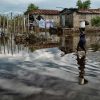
Climate Crisis: Elephants in the Room are Getting Nastier
The year 2020 will forever be notorious for the COVID-19 pandemic but it might also be known by historians for a precipitous rise in second order climate change consequences -- a new elephant in the room.
Q&A: On the Frontline, Islands Aim to Seize Climate Initiatives
The “all-virtual” Latin America and the Caribbean Climate Week (LACCW) that took place May 11-14 highlighted islands’ particular vulnerabilities in the face of both climate change and the Covid-19 pandemic. But the event - hosted by the Dominican Republic - also provided “important momentum for a successful UN Climate Change Conference” (COP 26) in November in Glasgow, according to the United Nations.
Women Leading Somalia’s Health System
Somalia is one of the most complex regions of the world, with threats and political instability, extreme weather conditions, movement of internally displaced people (IDPs), decades of conflict, poverty-related deprivation, poor health and communicable diseases that are killing people. There is a constant risk of gender violence making women, children and members of minority groups particularly vulnerable, and more so during displacement or while seeking work. Three decades of civil war and instability have weakened Somalia’s health system and contributed to it having some of the lowest health indicators in the world. The COVID-19 pandemic has added yet another strain on its tremendously fragile infrastructure presenting unexpected challenges and dilemmas.
Africa’s Worsening Climate: Here’s How the United States can Help Africa
Recently, I participated in a Congressional hearing on the “Effects of climate change in Africa”, before the House Foreign Affairs Subcommittee on Africa, Global Health, Global Human Rights, and Internal Organizations, chaired by Congresswoman, Karen Bass.
– Mining giant Rio Tinto Face Environmental, Human Rights Complaint in Papua New Guinea –
On the occasion of World Environment Day, 5 June 2021, drawing from IPS’s bank of features and opinion editorials published this year, we are re-publishing one article a day, for the next two weeks. The original article was published on January 4 2021

Latin America & the Caribbean Assess Climate Ambition and Action Ahead of COP26
The Dominican Republic opened the 2021 virtual Latin America and the Caribbean Climate Week with a pledge to increase the country’s climate ambition by reducing its greenhouse gas emissions by 27 percent and maintaining progress towards climate neutrality according to the goals of the Paris Agreement.« Previous Page — Next Page »





Through our global network of local writers, we are continuing our award-winning coverage of global and local environmental challenges, with a focus on the people for whom the ecosphere matters in a direct way: rural dwellers who have little means to protect themselves against adverse conditions; communities that need to switch to sustainable development in order to survive; poor women and children, who are the most vulnerable in natural disasters. Sponsored by the United Nations Environment Program (UNEP), the United Nations Development Program (UNDP) and The World Bank (WB), IPS also maintains the award-winning Tierramérica, a specialised information service on environment and development.

The Week with IPS

Tracking global progress towards a sustainable world


