
Friday, August 21, 2026



News and Views from the Global South
Indigenous Rights
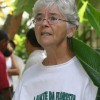
Activists Alarmed at Release of Dorothy Stang’s Murderer
The release from prison of the Brazilian rancher found guilty of ordering the 2005 murder of U.S.-born rainforest activist and nun Dorothy Stang has alarmed human rights defenders, who warn that it could set a dangerous precedent in other cases involving land disputes and the rights of poor farmers.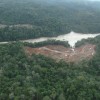
Hydropower Dam to Flood Sacred Amazon Indigenous Site
The Sete Quedas or “seven waterfalls” on the Teles Pires River, which runs through the Amazon rainforest states of Mato Grosso and Pará in central Brazil, are a spiritual oasis venerated by several indigenous groups.
Colombian President Meets with Nasa Indians
Colombian President Juan Manuel Santos travelled to a native reserve in the southwest of the country Wednesday to meet with thousands of indigenous people who had gathered there for nearly a week, demanding an end to fighting in their territory.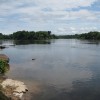
Belo Monte Dam Can No Longer Ignore Native Communities
A judicial order to halt construction of the Belo Monte dam in Brazil’s Amazon rainforest may be just one more battle in a long-drawn-out war in the courts over the controversial hydroelectric project.
“We Are All Indigenous to Mother Earth, But We Have Forgotten”
Among Tiokasin Ghosthorse's childhood memories is the “reign of terror” that engulfed the Lakota native reservations from 1973 to 1976 following the 72-day indigenous occupation at Wounded Knee.
Rescuing an Art to Save a People
Sitting on the floor, deep in concentration, Marta Llampa interlaces red and black threads that converge in sinuous shapes, gradually forming khurus or mythical creatures through a unique, age-old technique rescued from extinction by the Jalq'a people.
Native Peoples Take on Threadbare Stereotypes
With the International Day of the World’s Indigenous Peoples coming up on Thursday, native communities are increasingly using media to challenge a legacy of stereotypes.Where Are Canada’s Missing Native Women?
First Nations’ leaders are calling on the Canadian government to establish an independent commission of inquiry to investigate at least 582 missing and murdered indigenous women and girls - a wish which was not immediately granted by provincial premiers meeting last week.
Native Canadians Fear Mining Boom in “Ring of Fire”
With accusations that Canadian resource companies and government officials are disregarding the need for indigenous consent in development projects, First Nations leaders have lashed out by approving a resolution calling for a moratorium on mining development in the so-called Ring of Fire until proper consultation begins.
Children Injured in Police Crackdown on Chile’s Mapuche Indians
“We have been trampled by this racist Chilean state, which oppresses us. The police force represses all Mapuche people…they shoot at us in cold blood.”
Bolivia’s Indigenous Women Seek the Political Kingdom
A growing number of Bolivia's indigenous women are participating in politics, ready to break the barriers of gender and ethnicity.Guyana’s Gold Boom Brings Pollution and Conflict
Pedro Melville, 62, a father of nine from Guyana's northwestern gold and manganese mining district of Matthew’s Ridge, sees the impacts of unchecked prospecting on the local environment every day.
Women Rights Defenders Targeted in Mexico
There has been an alarming increase over the past two years in violence against women human rights defenders and journalists in Mexico, according to women’s human rights organisations.Death Stalks Pregnant Women in East Myanmar
From a wooden, weather-beaten building on the edge of this border town, Mahn Mahn charts dangerous missions deep Myanmar (also Burma) for the 2,000-odd health workers under his wing.BOLIVIA: From Police Mutiny to Indigenous Vigil
After a 62-day march from Bolivia’s tropical lowlands, over 1,000 indigenous protesters opposed to the construction of a road through a pristine rainforest reserve reached the seat of government Wednesday, just a few hours after the police called off a six-day national strike.
Conflict Heats Up in the Sahara
"We’ve been building a lot of new walls lately," says Polisario Front commander Ahmed Salem as he drives his 4 X 4 across Tindouf in Western Algeria. But the newly introduced security measures may not be enough to ensure the survival of the Western Sahrawis.
Native Protest March Approaches La Paz
Snow-capped mountains shrouded in clouds tower over the ninth gruelling march of indigenous people from Bolivia's eastern lowlands to the seat of government, to challenge the government's environment policy and protest the construction of a road through a protected area of rainforest and water reserves.Biofuels and Hunger, Two Sides of the Same Coin
Despite growing evidence that biofuel production is causing food insecurity around the world, the new European Union policy blueprint on renewable energy ignores the social effects of biofuels. Last week, Guatemalan victims of the food crisis came to Brussels to make European policy makers aware of the problem.
Disasters Hold Climate Change Lessons for Thais
The Kiriwong community in southern Thailand is confident of handling climate change, thanks to lessons learned from a natural disaster that hit its village 25 years ago.
Earth Summits Fail Biodiversity in India
Heads of state and governments are meeting in Rio de Janeiro this week to decide how to renew their pledges made during the first Earth Summit held in Rio in 1992.

Poverty Rates Strikingly High Among Indigenous Populations
Although they are only five percent of the global population, indigenous people account for up to 15 percent of the world’s poor, according to a new study published by members of the World Bank.« Previous Page — Next Page »


The planet's roughly 350 million indigenous peoples took notable steps on the international stage in the last decade. They got the world's governments to agree to create a body to represent them at the United Nations, the Permanent Forum on Indigenous Issues, and to appoint a special rapporteur responsible for their human rights. In 2007 a Universal Declaration on the Rights of Indigenous Peoples was approved by the UN. Yet the living conditions of most "tribal", "aboriginal", "native" or "first" peoples remain precarious. IPS, with its network of contributors at the UN and linked to indigenous communities worldwide, is committed to tracking the world community's efforts to do justice to the rights and aspirations of these peoples, with a special current focus on Latin America's 40 million rural indigenous peoples.

The Week with IPS

Tracking global progress towards a sustainable world
