
Sunday, October 11, 2026



News and Views from the Global South
Press Freedom

Social Networks in Mexico Both Fuel and Fight Discontent
The scene in the video is simple: a bearded man with a determined look on his face sitting in front of a white wall witha portrait of Emiliano Zapata, symbol of the Mexican revolution.
Right to Information Dead on Arrival at UN
The 193-member UN General Assembly has been dragging its feet on a proposal that has been kicked around the corridors of the United Nations for over 10 years: a Freedom of Information Act (FOIA) providing journalists the “right to information” in a sprawling bureaucracy protective of its turf.
Populist Leaders Endanger Human Rights: Advocacy Organisation
Populist leaders pose a dangerous threat to human rights, fuelling and justifying intolerance and abuse across the world, said advocacy group Human Rights Watch during the launch of their annual global report.
Bangladesh’s Women Journalists Rise Against the Odds
Journalism is a profession that attracts both sexes, but social taboos and hostile office climates have kept the numbers of women working in Bangladesh’s media sector dismally low. Still, a new generation of women is stepping up, with the support of their path-breaking colleagues.
More Than 50 Internet Shutdowns in 2016
Governments around the world shut down the internet more than 50 times in 2016 - suppressing elections, slowing economies and limiting free speech.
Reporting from Inside a Refugee Detention Centre
Despite being locked up in an Australian detention centre on Papua New Guinea's Manus Island, Kurdish-Iranian journalist Behrouz Boochani has continued reporting - gaining bylines and media attention around the world. Journalism is the reason Boochani was forced to flee his home country of Iran, and - like the other 900 men detained indefinitely on Manus Island - seek refuge in Australia.
Right to Information Act to Redefine Sri Lanka’s Media Landscape
Sri Lanka’s upcoming 69th Independence Commemorations will be of special value to the island’s media - that is, if everything works as planned.
Journalists Honoured for their Courage, Resolve
Journalism has become one of the world's most dangerous professions, making the courageous achievements of this year's four International Press Freedom Award winners particularly meaningful.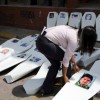
Journalism in Honduras Trapped in Violence
It was in the wee hours of the morning on October 19 when journalist Ricardo Matute, from Corporación Televicentro’s morning newscast, was out on the beat in San Pedro Sula, one of the most violent cities in Honduras.
Australian Activists, Dissenters and Whistleblowers Feeling the Heat
For Australian activist Samantha Castro, it was her association with the non-profit publishing organisation Wikileaks that brought her to the attention of the Australian Federal Police (AFP).
Will Free Expression Equal Terrorism in Zimbabwe?
Four years ago, a faceless writer using the nom de guerre Baba Jukwa set Facebook agog with detailed exposes of machinations within the ruling Zimbabwe National People’s Union Patriotic Front (ZANU PF).
The Perils of Writing about Toilets in India
Journalist Stella Paul was midway through an interview about toilets when she found herself, and the women she was speaking to, under attack from four angry men.

Journalist Murders: The Ultimate Form of Censorship
The UN Educational, Scientific and Cultural Organization (UNESCO) has condemned the killing of more than 800 journalists globally since 2006. A measly seven percent of these murders have been solved.
Social Media Becomes Mugabe’s Nightmare
In a WhatsApp video that went viral in September, a middle-aged Zimbabwean man addresses President Robert Mugabe, telling him that 90 percent of the people in the country are unemployed and do not contribute to the economy because Mugabe cannot provide jobs.
Freedom of the Press Faces Judicial Harassment in Brazil
The same justice that exists to ensure rights can become a tool to violate them and restrict freedom of the press, as seen with the recent wave of lawsuits against journalists and the media in Brazil.
Unexpected Eritrean Journalistic Voice Rises in Ethiopia
It took Eritrean journalist Estifo* seven years to save up enough money to pay a fixer to get him and his family from the capital, Asmara, to the shared border with Ethiopia. After they crossed the border by foot, they turned themselves in to the Ethiopian authorities and claimed asylum as refugees.
UN Resolution on Journalist Safety Passed, But Long Way to Go
The UN Human Rights Council (UNHRC) advanced its commitment to the safety of journalists after adopting a groundbreaking resolution with measures for states to ensure journalist protection. But this is only the first step, many note.
Murders, Crackdown Create Lingering Climate of Fear in Bangladesh
Like the living room of any proud family, the one in Ajoy Roy’s house boasts photos of the eldest son, Avijit.UN Shaky on Protection of Journalists and Right to Information
UN Secretary-General Ban Ki-moon, one of the strongest advocates of press freedom, is facing two politically-sensitive issues which are beyond his decision-making jurisdiction: a proposal for a Freedom of Information Act (FOIA) aimed at providing journalists with the right to access information, and the creation of a UN Special Envoy ensuring the safety of journalists worldwide.
Addressing the Dangers of Freelance Journalism
As the reliance on freelance journalists by news organisation has increased, so has the burden of guaranteeing a safe working environment for these journalists, especially when reporting from war-torn areas.
UN Spotlight for Dark Shadow over Civil Society Rights
With more and more governments narrowing space for dissent and activism, the UN has emerged as a key platform to air concerns about acute rights violations and develop protections for civil society and other vulnerable groups.« Previous Page — Next Page »





Journalism is dangerous work. Dozens of reporters and other media workers are killed in the line of duty each year. Hundreds more face threats, intimidation, and harassment as they risk their lives to let us know what is going on in war zones and as they root out corruption. In the Information Age, the Internet provides us with new ways to disseminate the news even as it poses new threats to press freedoms.


IPS Director General Farhana Haque Rahman was invited by UNESCO as a panelist at the World Press Freedom Day 2017 gathering in Jakarta, in the Plenary Session: Quality journalism: a public good for just, peaceful and inclusive societies.

The Week with IPS

Tracking global progress towards a sustainable world
