Languages
Wednesday, November 11, 2026



News and Views from the Global South
Africa

Votes Tell a Story Opposite to South Africa’s Economic Policies
On Tuesday international ratings agency, Moody’s, rated South Africa a credit positive, saying that the results of last week’s general election ensured a continuity of the country’s macroeconomic policy. But the success of the left-wing Economic Freedom Fighters (EFF) tells a different story of the country’s economic inequalities.
Uganda Passes Another Repressive Law — This Time Criminalising HIV Transmission
Ugandan AIDS bodies and campaigners have warned that the “ugly clauses” of an HIV bill passed by Parliament late Tuesday, which includes the criminalisation of the “wilful and intentional” transmission of the disease, will see many in this East African country “shun the healthcare system”.
Not Yet a Week and Another South Sudan Ceasefire Fails
It has not yet been a week, but South Sudan’s most recent ceasefire appears set to collapse, along with hopes that – after five months of fighting – the country might finally be on the path to recovery.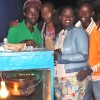
Popular Rwandan Rights Group Helps Youth Create Jobs with Popcorn Venture
Twenty-year-old Fabrice Shyaka sells popcorn in brown paper bags five nights a week from his stand in a small alleyway, situated next to a DVD shop blaring loud music, and a supermarket. Here in Kanombe, a suburb in the Rwandan capital of Kigali, he is the only person selling popcorn in the area.Nigeria’s Boko Haram Begins to Destabilise Cameroon
Senior defence officials say that Cameroon has been infiltrated by Nigeria’s Islamist extremist group Boko Haram and there are fears that this central African nation, known for its stability, is drifting into chaos.
Trade Misinvoicing Costs African Countries Billions
Misinvoiced trade in five African countries cost their governments billions of dollars in tax revenue and facilitated at least 60.8 billion dollars in illicit financial flows from 2002 to 2011, says a new report by Global Financial Integrity (GFI), a research advocacy organisation here.
South Sudan, Where Livestock Outnumbers People and the Environment Suffers
Twenty-year-old Wani Lo Keji stares at the sky as his herd of cattle drink water from the eastern bank of the Nile River, just opposite South Sudan’s capital, Juba.
Zimbabwe’s Emerging Tobacco Queens
Madeline Murambwi sits behind the wheel of her brand new Toyota Land Cruiser, threading her way through the traffic in Zimbabwe’s capital, Harare. She's on her way back from the tobacco auction floors where she just pocketed thousands of dollars.

Ethiopian Scribes Trying to Preserve the 4th Century Art of Parchment Making
 It is generally agreed that the origin of parchment making found in Ethiopia today likely lies with Christian monks who braved crossing the Red Sea around the 4th century and brought the bible with them.

Gender-based Violence Widespread in Zimbabwe
 Rutendo Mawere reports from Harare on the link between gender-based violence and HIV and efforts to stop the practice.
*with additional reporting by Ish Mafundikwa

Saving West Africa’s Last Intact Tropical Rainforest through Tourism
Jonas Sanhin Touan has big dreams. As he sits under a canopy, he greets the rare tourist to Gouleako, one of the many villages near the entrance of Côte d’Ivoire’s Taï National Park, with a meal.
Nigeria Abductions Grab the Spotlight
The fate of more than 200 schoolgirls abducted by the violent Islamist Boko Haram group from the northern Nigeria town of Chibok in mid-April has become something of a public sensation in the United States since the beginning of the month.
Ethiopian Scribes Try to Preserve Dying 4th Century Art
Misganew Andeurgay changes his bamboo-made pen for another, dips it in a tiny pot of viscous liquid and, on a parchment page filled with black script, begins to trace in scarlet-red ink the Amharic word for god.
ARVs a Bitter Pill to Swallow for Ugandan Children
Every morning at six a.m. before he goes to school, and every night at six p.m. after he gets home from school, Emmanuel, 11, knows what he must do: take his antiretroviral pills.
Vaccinating Against Their Will
The growing number of child deaths from diarrhoea in Cameroon has necessitated the introduction of a new vaccine (RotaTeq) designed to protect babies under five against common types of rotaviruses that cause diarrhoea. But growing skepticism over new vaccines, and lack of potable water and proper hygiene could thwart such public health efforts, experts say.OP-ED: We Must Stand Up in Defence of Nigeria’s Abducted Schoolgirls
Today more than 200 schoolgirls will wake up to another day in an unthinkable nightmare. Three weeks ago, they were seized in the night by armed men dressed as soldiers who said they were there to protect them.
Born Free, and Disinterested
South Africa’s May 7 elections mark the first time in democratic history that those born into Nelson Mandela’s post-apartheid ‘Rainbow Nation’ can vote.
Disabled Forced Into Labour in Zimbabwe
Workers Day on May 1 came and went, but it’s only a day like any other for disabled 31-year-old street vendor Tsitsi Chikosha making a living selling goods from a makeshift table in downtown Harare.
DR Congo’s Red Light to Invention
"There are several robots in the world, but that one which regulates traffic is made in Congo," Thérèse Izayi, a female engineer and the Congolese inventor of two very unusual traffic signals, tells IPS.Kenya’s Nationwide Clampdown on Islamic Extremism ‘Counterproductive’
Kenya’s government was warned by Muslim clerics about the radicalisation and recruitment of youths by Al-Shabaab six years ago but did not take action, says Sheikh Ahmed, a management committee member of the Council of Imams and Preachers of Kenya.
Villages in Ghana that No Longer Have Child Deaths to Record
Zainab Abubakar saves children’s lives. A few years ago she was just an ordinary woman with no medical training living in rural Kpilo in Ghana’s Northern Region.« Previous Page — Next Page »





The Week with IPS

NEXT STOP - SDGs
Tracking global progress towards a sustainable world
Tracking global progress towards a sustainable world
