Languages
Friday, November 6, 2026



News and Views from the Global South
Millennium Development Goals (MDGs)
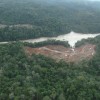
Hydropower Dam to Flood Sacred Amazon Indigenous Site
The Sete Quedas or “seven waterfalls” on the Teles Pires River, which runs through the Amazon rainforest states of Mato Grosso and Pará in central Brazil, are a spiritual oasis venerated by several indigenous groups.
Europe Thinks Again About Food
Present day European farming is based on the Common Agricultural Policy (CAP), which was created over six decades ago by countries emerging from severe food shortages that swept the continent during and after the Second World War.
Cambodia’s Hydro Plans Carry Steep Costs
The Cambodian government has committed to the construction of two dams along the Mekong River in order to meet a huge demand for electricity, but environmental groups warn that severe repercussions loom for this strategy.Millions of Jobless Desperate in Spain
The sun is shining in Spain as it does every summer. But millions of people in this crisis-stricken country are living in the shadow cast by Europe’s highest unemployment rate.
Q&A: Water and Food Security Are Inseparable
With the U.N. ominously warning of an impending food crisis following severe droughts in farmlands in the United States, Brazil, Russia and at least two rain-deprived states in India, the world will once again turn its attention to a finite natural resource: water.
Livelihoods Drying Up on Malawi’s Lake Chilwa
Fisherfolk and farmers living near Malawi’s second-largest water body, Lake Chilwa, are relocating en masse and scrambling for space around its shores as the lake has dried to dangerously low levels.
Food Activists See Portents of New and Deeper Hunger Crisis
Food rights activists from around the world will descend on the coastal U.S. state of Florida next week to protest homelessness and hunger facing millions of people in the United States and across the globe.
Belo Monte Dam Can No Longer Ignore Native Communities
A judicial order to halt construction of the Belo Monte dam in Brazil’s Amazon rainforest may be just one more battle in a long-drawn-out war in the courts over the controversial hydroelectric project.
Quotas in Brazil’s Public Universities to Democratise Education
A new law about to enter into effect in Brazil will reserve half of all admission slots in public universities for students who attended public primary and secondary schools. But the measure, aimed at expanding access to the country’s best universities, will require structural reforms.
Bangladesh ‘Fixes’ Grameen Microcredit
Laboni Vhoumik’s lingerie manufacturing unit in the Gopai village of Noakhali district, about 180 km outside the capital, is a forceful argument in favour of the Grameen Bank microcredit model that fosters female entrepreneurship and also relies on it.
Q&A: Hospitals Working to Reduce Their Ecological Footprint
Medical care is associated with images of cleanliness and good health. Today’s hospitals, however, are major sources of pollution and consume large amounts of valuable resources, like energy.
Surviving on a Meal a Day in Ghana’s Savannah Zone
In order to ensure that he and his family survive this year's failed harvest, Adams Seidu, like farmers in other rural communities in Ghana’s Northern Region, has implemented a strategy for survival. They are using what Seidu calls the "one-zero-one strategy" for children, and the "zero-zero-one strategy" for adults.
Lean Times Get Leaner in Northern Cote d’Ivoire
Salimata Coulibaly, director of a medical centre in the town of Korhogo in the northern Cote d’Ivoire region of Savanes, stood before a chart displaying before-and-after photos of local children – one taken when each child arrived at the centre, and one after he or she responded to treatment for malnutrition.
Children Treated as Lab Rats
Four-year-old Deepak Yadav, a mentally disabled boy from Indore city in the Indian state Madhya Pradesh, was being treated for stomach problems at Chacha Nehru Bal Chikitsalaya, a government hospital for children attached to the M. G. M. Medical College.
Pakistan’s Measles Deaths Hinder Global Goals
Measles outbreaks, which have killed at least 100 children in Pakistan’s militancy-hit border areas since May, have prompted calls by experts for better cooperation in territories adjacent to Afghanistan with international immunisation campaigns.Armed Forces Still Dictating Côte d’Ivoire’s Law
Even as Côte d'Ivoire gradually recovers from the bloody events of the 2010-2011 post-electoral crisis, massacres in the western part of the country and the frequent sound of gunfire in the economic capital, Abidjan, are signs of the long road ahead.
From the Field to the Rubbish Heap
Agriculture provides a livelihood to the majority of the population in Papua New Guinea, a developing island nation of approximately seven million in the south west Pacific. However, the loss and waste of an estimated half of all fresh produce between harvesting and marketing is threatening improvements to food security and local incomes.Women Now Have a Voice in Chile’s Press
"We always dreamed of a ‘heroine’ who would not only denounce violence against women, but would also represent us in other spheres,” Kena Lorenzini, the director of Chile’s first feminist publication, told IPS.
“Latin America’s Miracle” – the Land of Invisible Inequality
It’s Friday morning, and Carlos, an executive at a real estate firm in the Chilean capital, gets up knowing that he will knock off early that day, as he does at the end of every week, to enjoy the weekend in the family’s vacation apartment on the coast with his wife and three daughters.
Mauritian Fishers Want EU Vessels Out of Their Seas
“Look out there, the blue one…. that is a European Union fishing vessel that is threatening our livelihood,” says Lallmamode Mohamedally, a Mauritian fisherman, as he points to a boat offloading its catch at the Les Salines port, close to the country’s capital Port Louis.
Q&A: Microcredit Bank “Incorporates Women in the Benefits of Development”
“Our raison d’etre is incorporating women in development, and especially in the benefits of development,” says Nora Castañeda, an economist who has headed the Banmujer bank in Venezuela since it was founded in 2001.« Previous Page — Next Page »





The Week with IPS

NEXT STOP - SDGs
Tracking global progress towards a sustainable world
Tracking global progress towards a sustainable world
