Languages
Saturday, October 31, 2026



News and Views from the Global South
Energy

Costa Rica, UAE Cement Relations with Energy and Tourism
A visit by United Arab Emirates Foreign Minister Sheikh Abdullah bin Zayed Al Nahyan to Costa Rica paved the way for closer trade ties between the two countries, especially in the areas of tourism and sustainable energy.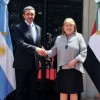
Argentina and United Arab Emirates Open New Stage in Bilateral Relations
With United Arab Emirates’ foreign minister Sheikh Abdullah bin Zayed Al Nahyan’s visit to Argentina, the two countries launched a new stage in bilateral relations, kicked off by high-level meetings and a package of accords.
Europe is disintegrating while its citizens watch indifferent
We are witnessing the slow agony of the dream of European integration, disintegrating without a single demonstration occuring anywhere, among its 500 millions of citizens. It is clear that European institutions are in an existential crisis but the debate is only at intergovernmental level.
United Arab Emirates Strengthens Ties with Argentina’s New Government
The new government of Argentina and the United Arab Emirates (UAE) are strengthening the relationship established by the previous administration, at a time when this South American country is seeking to bring in foreign exchange, build up its international reserves and draw investment, in what the authorities describe as a new era of openness to the world.Core Principals of Climate Finance to Realize the Paris Agreement
The Paris climate change conference brought together 197 countries and over 150 Heads of State – the largest convening of world leaders in history – to agree on measures and work together to limit the global average temperature rise.
The UAE’s Journey Towards Clean Energy
The discovery of hydrocarbon reserves brought tremendous prosperity for the UAE and made it a central player in the global energy market. With one of the highest gross domestic product per capita levels in the world, the UAE has generally used its wealth wisely to stimulate sustainable economic growth. However, volatility in oil markets, growing unrest across the region and the growing threat of climate change has concentrated minds on the need for immediate and decisive action.
Energy from All Sources, a Game of Chance in Brazil
Brazil, which boasts that it has one of the cleanest energy mixes in the world, is now plagued by corruption, poor market conditions, and bad decisions – a near fatal combination.
Hydropower at Front and Centre of Energy Debate in Chile, Once Again
The Chilean government’s approval of a hydroelectric dam in the Patagonia wilderness has rekindled the debate on the sustainability and efficiency of large-scale hydropower plants and whether they contribute to building a cleaner energy mix.
Nevis Has A Date With Geothermal Energy
Legislators on the tiny volcanic island of Nevis in the northern region of the Lesser Antilles say they are on a path to going completely green and have now set a date when they will replace diesel-fired electrical generation with 100 per cent renewable energy.
Jamaica’s Climate Change Fight Fuels Investments in Renewables
By year’s end, Jamaica will add 115 mega watts (MW) of renewable capacity to the power grid, in its quest to reduce energy costs and diversify the energy mix in electricity generation to 30 per cent by 2030.
Innovative Project to Provide Renewable Energy 24/7 to Chilean Village
A novel energy project in Chile will combine a pumped-storage hydroelectric plant operating on seawater and a solar plant, to provide a steady supply of clean energy to a fishing village in the Atacama Desert, the world’s driest.
TAIWAN: Polls Harken End of Nuclear Power
Taiwan may soon be the first nation in Asia to resolve to become a nuclear free nation after four decades of reliance on nuclear power.
Jamaica’s Drought Tool Could Turn the Table on Climate Change
On a very dry November 2013, Jamaica’s Meteorological Service made its first official drought forecast when the newly developed Climate Predictability Tool (CPT) was used to predict a high probability of below average rainfall in the coming three months.
Drought Boosts Science in Dominican Republic
The recent lengthy drought in the Dominican Republic, which began to ease in late 2015, caused serious losses in agriculture and prompted national water rationing measures and educational campaigns.
Cash for the Climate Please, Caribbean Leaders Lament
Funding to address the financial flows needed for adaptation and mitigation of climate change remains an issue of concern for the Caribbean.
Water, Water Everywhere but Too Much or Too Little
“Water is at the core of the Lima-Paris Action Agenda (LPAA), but it is true that for a long time water and oceans issues have been marginalized in climate conferences, considering that 90 per cent of natural catastrophes are linked to water and 40 per cent of global population will face water scarcity from now to 2050,” stated Marie-Ségolène Royal, French Minister of Ecology, Sustainable Development and Energy, during the press conference at the launch of the #ClimateIsWater initiative at COP21. “It is through water that it is possible to measure climate change impacts,” she said.American Mining Giant Escaped Indonesian Law with ISDS
If you want to make your developing country more attractive for foreign investors, try signing bilateral investment treaties (BITs) with rich countries. With these treaties countries promise to look after each others' investors.French firm attacks Ugandan tax using ISDS
The heavily criticized legal mechanism, known as ISDS, is an important tool for European companies to pressurize developing countries. This year Uganda joins the rank of developing nations asking themselves: "Why have we ever signed this?"
Mexican Government Ignores Social Impact of Energy Projects
Mexico’s hydrocarbons law stipulates that oil contracts must include a social impact assessment. But this has not been done in the case of the oilfields granted to the country’s former oil monopoly, Pemex, or to private companies since the industry was opened up to private investment.
Indigenous Villagers Fight “Evil Spirit” of Hydropower Dam in Brazil
At dusk on the Tapajós River, one of the main tributaries of the Amazon River in northern Brazil, the Mundurukú indigenous people gather to bathe and wash clothes in these waters rich in fish, the staple of their diet. But the “evil spirit”, as they refer in their language to the Sao Luiz Tapajós dam, threatens to leave most of their territory – and their way of life – under water.
Another Himalayan Blunder
South Asian integration remains a distant dream as some member countries like Nepal resent India’s big brotherly dominance in the region. They perceive that they have no stakes in India’s rise as an economic power. Ensuring unrestricted market access perhaps would have made a big difference in this regard. Their resentment has only deepened as this hasn’t happened. Instead they have registered growing trade deficits with India! The on-going travails of the Himalayan kingdom vis-a-vis India exemplify the problematic nature of integration in a region that accounts for 44 per cent of the world’s poor and one-fourth of its’ population.« Previous Page — Next Page »





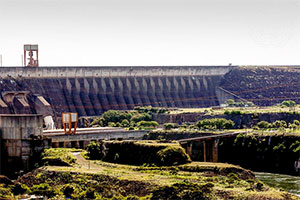 UN Power Plant, Paraguay. Credit: UN Photo/Evan Schneider
Energy has posed a great challenge for economies around the world. As global energy consumption skyrockets throughout the years, so does the need for sustainable solutions. The Sustainable Development Goals are essential in providing people with access to safe, affordable, and sustainable energy sources that minimize harm on the planet. Progress towards these goals opens the door for an advancement in modernization for communities on a global level and allows for a potential mitigation of tensions between nations.
The UN’s Summit of the Future in 2024 offered new initiatives that are being taken to achieve these goals, including a decreased reliance on fossil fuels, a switch to renewable energy sources, and improved climate financing.
IPS is well positioned to provide relevant, insightful, and compelling analysis of recent updates and measures being taken around the world to achieve a cleaner future.

The Week with IPS

NEXT STOP - SDGs
Tracking global progress towards a sustainable world
Tracking global progress towards a sustainable world
