Languages
Sunday, November 8, 2026



News and Views from the Global South
Population

South Sudan Celebrates a Troubled First Birthday
The streets have been swept clean and lined with flags to mark the first anniversary of South Sudan’s independence. But cosmetic changes in the capital, Juba, mask deep concerns about the future of the world’s newest nation.
South Sudan’s Women Await Independence From Poverty
One year after the formation of South Sudan, the country’s women say that independence has not resulted in the positive political, economic and social changes that they had hoped for.
Growing ‘Entertainment’ Industry Traps Nepali Girls
Almost unnoticed, Nepal’s burgeoning adult entertainment industry has been drawing young girls away from being trafficked across the border to the fleshpots of India’s big cities.
Water and Slums Bright Spots in MDGs
An annual report card on the ambitious U.N.-led initiative known as the Millennium Development Goals (MDGs) says that in three areas - poverty, slums and water – the goals have been met ahead of the 2015 deadline, but persistent gaps remain, notably in the critical area of maternal health.China’s One-Child Policy Faces New Challenges
Graphic online photographs of seven month-pregnant Feng Jianmei lying prostrate on a hospital bed next to a bloody foetus have created outrage in China over the brutal enforcement of the controversial one-child-policy. The husband of the woman whose forced late-term abortion caused uproar worldwide has gone missing, according to his family.
Treatment of Gays No Better in South Africa
When Junior Mayema boarded a plane to South Africa from his native Democratic Republic of Congo in 2010, he cried tears of joy because he was finally heading to a country where he could live openly as a gay man.
This Football Is a Game of Dispossession
The football teams are back in their refugee camps in Algeria, and no, FIFA has taken no note of this tournament. And the television cameras are all at the Euro cup.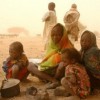
Climate Refugees – Today’s New Reality*
The continued exodus of Somalis to Kenya and Ethiopia has fuelled the debate on a new issue of global concern: climate refugees, driven from their homes and across borders by extreme weather events.
RIO+20: Promised Green Economy Was a Fake, Say Activists
When the Rio+20 summit on sustainable development ended Friday, there were winners and losers – mostly losers.
Get Ready for a World of Nine Billion
As the global population threatens to explode - from the current seven billion to over nine billion by mid-century - the sharp increase in humans not only means overcrowded cities but also increasing demands on food, water, energy and shelter, foreshadowing devastating implications for a sustainable future.
Earth Summits Fail Biodiversity in India
Heads of state and governments are meeting in Rio de Janeiro this week to decide how to renew their pledges made during the first Earth Summit held in Rio in 1992.

In Limbo in the Saharan ‘Free Zone’
The road vanishes under the sand just after the border crossing at Tindouf, western Algeria. Another 20 kilometres into the desert, a billboard welcomes us into the Sahrawi Arab Democratic Republic.U.S.: Asians Surpass Hispanics as Fastest-Growing Immigrant Group
Asia has surpassed Latin America as the largest source of new immigrants to the United States, according to a major new report that found that Asian-Americans also enjoy the highest incomes and best education of any racial group in the United States.
Poverty Rates Strikingly High Among Indigenous Populations
Although they are only five percent of the global population, indigenous people account for up to 15 percent of the world’s poor, according to a new study published by members of the World Bank.
The Resurgence of Polio in Nigeria
Twelve-year-old Sunday Oderinde sits by the side of the road with both legs folded under him and watches his friends play a game of soccer on the streets of Iwaya, a suburb in Lagos, Nigeria. It is a game that he would love to join in but cannot.
Rio Outcome Bleak With No New Funding*
Amidst recrimination, anger and charges of “strong arm tactics”, negotiators eventually endorsed a global plan of action for sustainable development following marathon sessions lasting over six weary days.
EUROPE: Rights Groups Call for Effective Investigations of Crimes Against Roma
Rights groups have called on governments in Central and Eastern Europe to publicly condemn violence against Roma, as a family was gunned down in Slovakia in the latest example of what monitors say is a rising tide of violence against Europe’s largest ethnic minority. [caption id="attachment_110111" align="alignright" width="375"]
Newborn Deaths Expose India’s Low Health Budget
A year after the Indian government began paying pregnant women to deliver their babies in state-run facilities, the pressure is showing on the country’s understaffed and poorly equipped hospitals.
Learning from Argentina’s Formula to Improve Education
Argentina’s success in improving the quality of education in primary schools in low-income areas has awakened the interest of other countries in Latin America, which are keen on learning more about the experience and applying it themselves.Finetuning the Fight Against AIDS in Cuba
New attitudes are emerging among Cubans toward the AIDS epidemic, as HIV-positive people who are aware of its causes seek other ways to reduce infection rates in the country.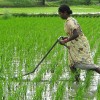
New Set of Sustainable Development Goals Looks Beyond 2015*
When world leaders from over 100 countries wind up their three-day Rio+20 summit in Brazil next week, they will leave behind the shattered remains of a slew of proposals that never got off the ground.« Previous Page — Next Page »





 One Thousand Internally Displaced Persons (IDPs) Relocated from Tomping Camp in South Sudan. Credit: UN Photo/Isaac Billy
It took hundreds of thousands of years for the world’s human population to cross one billion in 1804. Approximately 200 years later, the population has multiplied sevenfold. In 2023, the global population crossed 8 billion, and is expected to reach 9 billion before 2050. With the planet more crowded than ever, it is essential to keep track of population trends, urbanization, migration, and reproduction across the world.
Life expectancy has seen significant strides in the past century, largely due to economic development and increased standards of living. On the contrary, trends in global fertility are shifting, with certain regions in Africa and Asia reporting higher rates, while parts of Europe and North America report stagnant or lower rates. This is in part due to differences in sexual and reproductive healthcare, as well as societal and economic conditions around the world. For example, child marriage is prevalent in certain societies, where childbearing is also considered a familial duty. Meanwhile, stagnating economies frequently experience lower marriage and childbearing rates.
The increase in migration and urban development around the world is also linked to global population trends. By 2050, it is expected that approximately 66 percent of all people will live in cities. Furthermore, global crises such as warfare and natural disasters also prompt transnational migration. Transnational migration is linked to a variety of socioeconomic issues in both host and receiving countries: migrants often leave developing countries with less access to educational and economic opportunities and arrive in developed countries where they are frequently the targets of ethnic, racial, and cultural discrimination, and economic exploitation. Recent crises in Europe and the United States demonstrate the importance of advocating for migrants worldwide. As migrants from the Global South are increasingly stripped of their legal and civic rights in unlawful deportations, or targeted in acts of identity-based violence, it is essential to keep track of population trends and protect the human rights of migrant populations. Climate-related disasters are now a major driver of displacement, with nearly half of all new internal displacements in 2025 being disaster-related.
IPS is devoted to covering issues surrounding population trends, migration, and reproduction through its compelling articles, which use both statistics and human stories to provide readers with robust and informative viewpoints.

The Week with IPS

NEXT STOP - SDGs
Tracking global progress towards a sustainable world
Tracking global progress towards a sustainable world
