Languages
Thursday, November 19, 2026



News and Views from the Global South
Editors' Choice

Canada’s Waste Still Rotting in a Philippine Port
Filipino Catholic priest and activist Reverend Father Robert Reyes, dubbed by media as the “running priest”, joined a protest of environmental and public health activists last week by running along the streets of the Makati Business District, the Philippines’ financial capital, to urge the government to immediately re-export the 50 Canadian containers filled with hazardous wastes that have been in the Port of Manila for 600 days now.
Mixed Prospects for LGBT Rights in Central and Eastern Europe
Lesbian, gay, bisexual and transgender (LGBT) groups in Central and Eastern Europe, which still faced mixed prospects as they fight for rights and acceptance, are now taking some heart from the “failure” of a referendum in Slovakia, a member of the European Union.
Empower Rural Women for Their Dignity and Future
Rural women make major contributions to rural economies by producing and processing food, feeding and caring for families, generating income and contributing to the overall well-being of their households – but, in many countries, they face discrimination in access to agricultural assets, education, healthcare and employment, among others, preventing them from fully enjoying their basic rights.
More Fighter Jets in Nicaragua, Second-Poorest Country in the Americas
Nicaragua, the second-poorest country in the Americas, is tapping into its depleted coffers to upgrade its ageing military fleet with costly new equipment from Russia – a move that has sparked controversy at home and concern among the country’s Central American neighbours.
Safeguarding Africa’s Wetlands a Daunting Task
African wetlands are among the most biologically diverse ecosystems on the continent, covering more than 131 million hectares, according to the Senegalese-based Wetlands International Africa (WIA).
The Dilemma of Soy in Argentina
Industrial soy production continues to expand in Argentina, pushing small farmers out of the countryside and replacing other crops and cattle. It presents a challenge in a country where 70 percent of the food consumed comes from family farms, but which also needs the foreign exchange brought in by what has been dubbed “green gold”.
What’s Driving the Merciless Asylum Seeker Policies in Australia?
As conflicts in the Middle East and elsewhere pushed the number of refugees to 13 million last year, the international community is struggling to shoulder the humanitarian responsibility of protecting those fleeing violence and persecution in their homelands.
Women Make Progress in Politics, But Glass Ceiling Remains Unbreakable
Secretary-General Ban Ki-moon, a creature of the U.N.’s 193 member states and who serves at their will and pleasure, did not hesitate to fault 13 countries that kept women out of their national parliaments and governments in power.
Brazil – from the Droughts of the Northeast to São Paulo’s Thirst
Six million people in Brazil’s biggest city, São Paulo, may at some point find themselves without water. The February rains did not ward off the risk and could even aggravate it by postponing rationing measures which hydrologists have been demanding for the last six months.
First the Taliban, then the Army, now Hunger: The Woes of Pakistan’s Displaced
A doctor shakes his head in despair as he examines a 10-year-old child at the Jalozai refugee camp, about 35 km by road from Peshawar, capital of Pakistan’s northern Khyber Pakhtunkhwa (KP) province.
Renewable Energies in Latin America Weather Low Oil Prices
Traditionally, falling oil prices have discouraged development of renewable energy sources, but clean energy is making steady progress in Latin America, according to regional experts.
Bolivia’s School Meals All About Good Habits and Eating Local
A successful school meals programme that serves breakfast and lunch with Andean flavours to 140,000 students in La Paz gave rise to a new law aimed at promoting healthy diets based on local traditions and products in Bolivia’s schools, while combating malnutrition and bolstering food sovereignty.
From the Mountains to the Sea, Timorese Women Fight for More
In Timor-Leste, the gap between rich and poor is most keenly felt by rural women and children. But while women are working hard to help rebuild Timor-Leste, their contributions are not always recognised, in a country where men’s narratives still heavily dominate.
Newly Recognised Indigenous Rights a Dead Letter?
Nearly three years after the rights of El Salvador’s indigenous people were recognised in the constitution, there are still no public policies and laws to translate that historic achievement into reality.
Can Indigenous and Wildlife Conservationists Work Together?
Indigenous and wildlife conservationists have common goals and common adversaries, but seem to be struggling to find common ground in the fight for sustainable forests.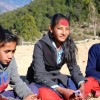
By Girls, For Girls – Nepal’s Teenagers Say No to Child Marriage
If not for a group of her school friends coming to her rescue, Shradha Nepali would have become a bride at the tender age of 14.
Tech-Savvy Women Farmers Find Success with SIM Cards
Jawadi Vimalamma, 36, looks admiringly at her cell phone. It’s a simple device that can only be used to send or receive a call or a text message. Yet to the farmer from the village of Janampet, located 150 km away from Hyderabad, capital of the southern Indian state of Telangana, it symbolises a wealth of knowledge that changed her life.
Gaza Reconstruction, Hampered by Israeli Blockade, May Take 100 Years, Say Aid Agencies
Despite all the political hoopla surrounding an international pledging conference in Cairo last October to help rebuild Gaza, the reconstruction of the Israeli-devastated territory is apparently moving at the pace of paralytic snail.
Families See Hope for Justice in Palestinian Membership of ICC
"I have lost all meaning in life after the death of my child, I will never forgive anyone who caused the tearing apart of his little body. I appeal to all who can help and stand with us to achieve justice and punish those who killed my child."
Everyone Benefits from More Women in Power
Women’s participation in decision-making is highly beneficial and their role in designing and applying public policies has a positive impact on people’s lives, women leaders and experts from around the world stressed at a high-level meeting in the capital of Chile.
Syrian Conflict Has Underlying Links to Climate Change, Says Study
Was the four-year-old military conflict in Syria, which has claimed the lives of over 200,000 people, mostly civilians, triggered at least in part by climate change?« Previous Page — Next Page »


The Week with IPS

NEXT STOP - SDGs
Tracking global progress towards a sustainable world
Tracking global progress towards a sustainable world
